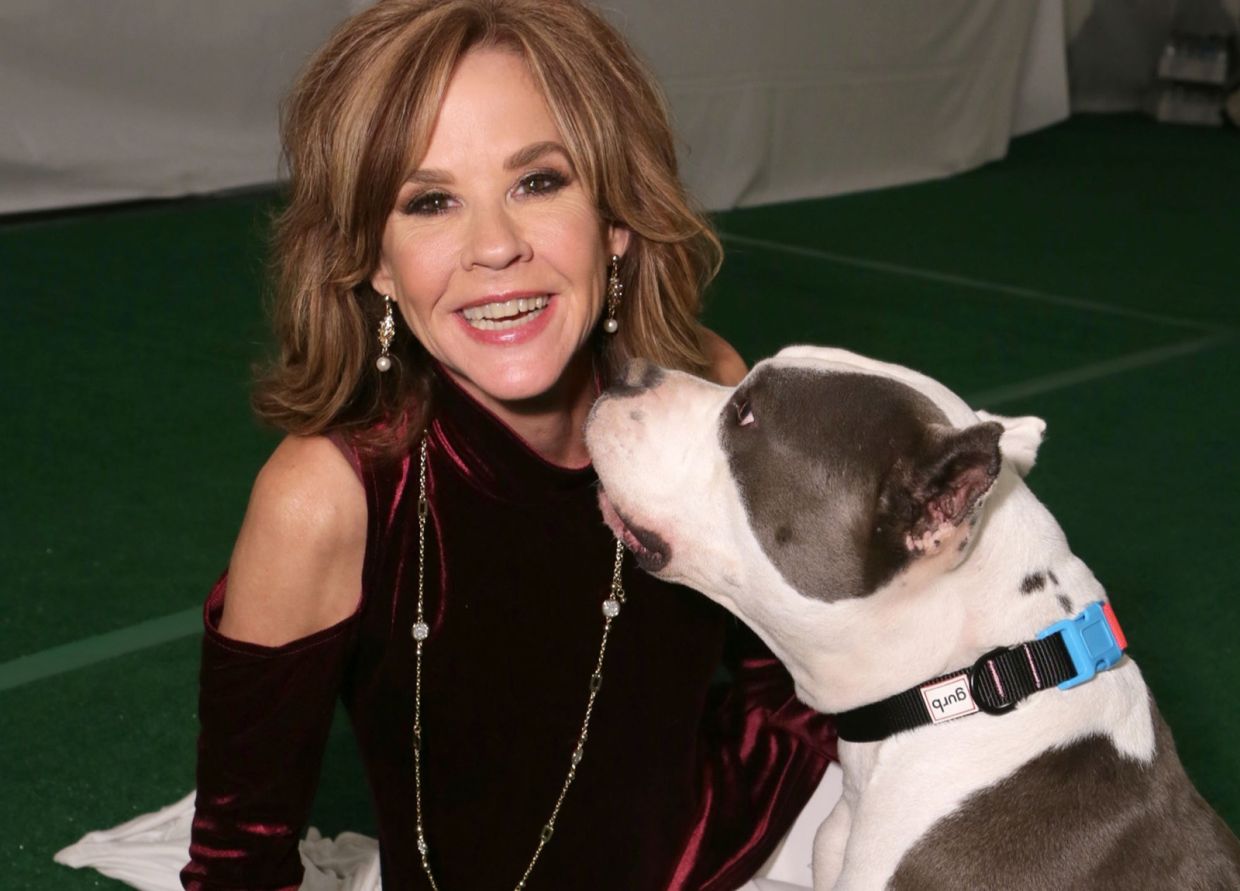
Authorities in Southern California executed a coordinated search of a residential property owned by actress Linda Blair on Friday afternoon, acting on concerns that the site was housing more than 100 rescue dogs without proper regulatory compliance. The operation involved personnel from both the Los Angeles County Department of Animal Care and Control and the Los Angeles County Department of Regional Planning, who operated under an investigative warrant to assess whether the property met applicable county regulations.
The underlying issue centres on documentary requirements for kennel operations in the region. Blair's facility had previously held the necessary permit to operate as a rescue kennel, but that authorisation lapsed during 2023, according to officials from the animal control department. The expired status meant that the continued housing of large numbers of animals at the location constituted a compliance violation, triggering the intervention by two county agencies.
Attempts to resolve the matter through conventional administrative channels proved unsuccessful. Representatives from both departments made repeated contact efforts with Blair to address the expired permit and the regulatory questions surrounding her operation, but these outreach attempts did not yield the necessary paperwork or corrective action. The inability to reach a satisfactory resolution through dialogue led authorities to pursue the more formal investigative warrant, which granted them lawful access to inspect the property and document conditions on-site.
The 67-year-old actress, known for her extensive work in animal welfare causes, demonstrated cooperation with officials during the raid. She did not resist the search process or impede the authorities' investigation. Notably, Blair has not been charged with any criminal offence related to the incident, and county officials have characterised the matter primarily as one involving regulatory and paperwork deficiencies rather than intentional wrongdoing or animal abuse.
Blindness at the scale of the operation presented the primary regulatory challenge. The presence of more than 100 dogs on a single residential property without documented authorisation exceeded what county codes typically permit for such settings. The warrant specifically empowered officials to verify whether the site was operating in conformity with Los Angeles County regulations governing animal housing facilities, kennels, and rescue operations. Such documentation serves as a critical accountability mechanism, ensuring that facilities maintain adequate space, sanitation, veterinary oversight, and operational standards.
Blair herself addressed the matter publicly through social media shortly after the search concluded on Friday evening. In a video posted to Instagram, she characterised the situation as fundamentally one of administrative formality rather than substantive concern about animal welfare. She stated that both she and the animals residing on her property were in good condition, and that the entire episode primarily involved processing necessary paperwork. The actress sought to frame the incident as a routine bureaucratic matter exacerbated by the challenging environmental conditions at the time, noting that the search occurred during exceptionally hot weather exceeding 100 degrees Fahrenheit.
In her accompanying written statement, Blair acknowledged the demanding nature of animal rescue work and the attendant administrative burdens that such efforts entail. She noted that the collective workload of rescue operations, coupled with the realities of managing overflowing communications across email and social media platforms, had contributed to the paperwork backlog. The comment suggests that while her commitment to animal rescue remains undiminished, the administrative apparatus required to maintain regulatory compliance had not kept pace with operational reality.
Blir's involvement in animal welfare stretches back two decades to the establishment of the Linda Blair WorldHeart Foundation in 2003. The nonprofit organisation operates with an explicit mission to reduce animal suffering through rescue, rehabilitation, and rehoming programmes focused on abused, neglected, and abandoned animals. This longstanding philanthropic work has positioned Blair as a recognised figure within animal welfare circles, though it appears to have not insulated her from the regulatory requirements that govern large-scale animal housing operations.
The incident underscores an emerging tension within animal rescue ecosystems across the United States. While the motivations underlying rescue operations are genuinely humanitarian, the regulatory infrastructure that governs such work exists for legitimate reasons—including animal welfare protection, public health, and safety oversight. The simultaneous expansion of rescue operations and the constraints of permit-renewal bureaucracies create friction points where well-intentioned operators may inadvertently fall out of compliance, particularly when operating at scale with significant volunteer involvement.
For Malaysian and Southeast Asian observers, the case illustrates how different jurisdictions approach the regulation of animal welfare activities. Local animal rescue operations in Malaysia and across the region face similarly complex interactions with regulatory bodies, though the specific permit structures and enforcement mechanisms vary considerably. The Los Angeles County approach demonstrates that even prominent figures with substantial charitable track records must navigate bureaucratic requirements methodically to avoid formal enforcement actions, regardless of their underlying mission or public goodwill.

