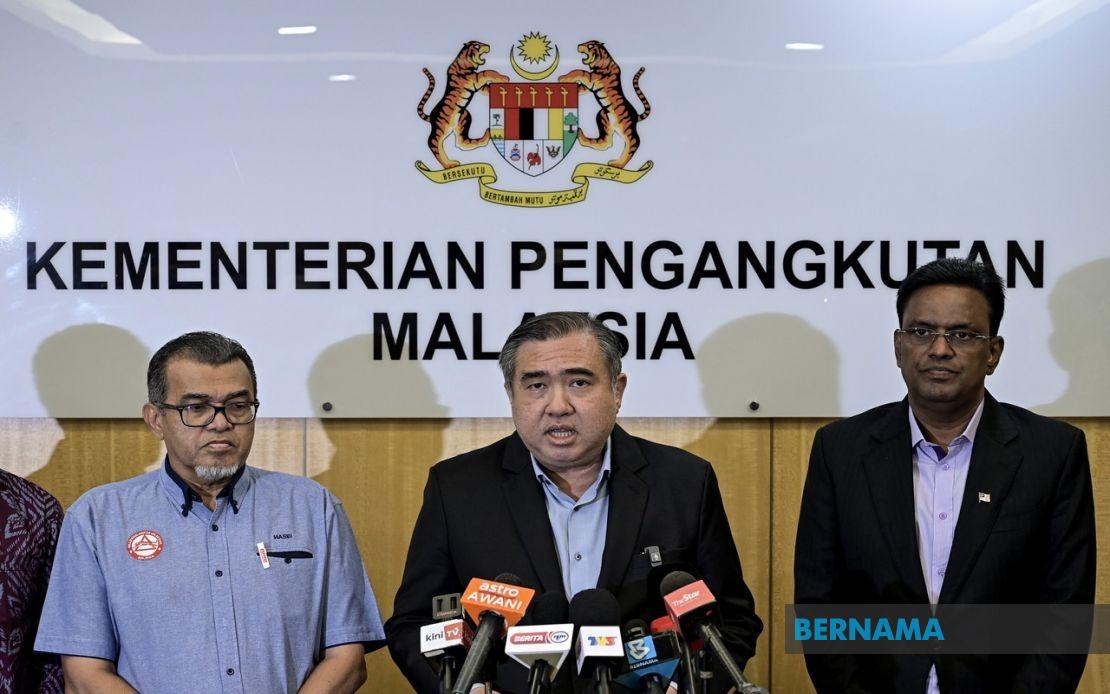
Malaysia's Cabinet has endorsed in-principle amendments to the Road Transport Act 1987 (Act 333) that would empower the courts to order road offenders to compensate accident victims or their families as part of criminal sentencing. Transport Minister Anthony Loke announced the decision on Wednesday in Putrajaya, emphasizing that the reform represents a significant shift in how Malaysian law addresses the human cost of road violations.
The proposed legislative changes form part of a broader road safety initiative that also strengthens the Road Offence Demerit Points System (KEJARA). Rather than treating compensation as merely a civil matter for victims to pursue independently, the amendments position financial accountability as an integral criminal consequence alongside traditional penalties such as imprisonment, fines, and driving disqualifications. This approach acknowledges that victims and bereaved families often suffer substantial economic hardship following serious road accidents, yet frequently struggle to recover damages through the civil courts.
The ministry's framework deliberately structures compensation as a judicial determination rather than an administrative formula. This means courts will assess each case individually, weighing the severity of the offence, the nature and extent of injuries sustained, the victim's documented losses, and the offender's financial capacity to pay. Such flexibility recognizes that road accidents vary enormously in their circumstances and consequences. A fatal collision caused by drunk driving presents vastly different considerations than serious injuries from reckless speeding, and financial culpability should reflect these distinctions.
Loke clarified that the compensation mechanism will apply across multiple categories of road offences, particularly those involving alcohol or drug impairment and reckless or dangerous driving. The targeting of these high-risk behaviours reflects their documented role in fatal and severe accident statistics across Malaysia. By creating financial consequences alongside custodial sentences, policymakers aim to reinforce deterrence at multiple levels—both through fear of imprisonment and recognition of one's obligation to injured parties.
Crucially, the government has deliberately preserved the right of victims to pursue parallel remedies. Accident victims or their families may continue filing insurance claims and initiating civil lawsuits independently, meaning court-ordered compensation does not limit their ability to seek full recovery through conventional legal channels. This layered approach provides multiple avenues for victims to obtain financial relief, addressing the reality that insurance proceeds and civil judgments often prove insufficient for lifelong disability costs or funeral expenses.
The implementation pathway involves substantial groundwork before parliamentary submission. The Ministry of Transport will conduct detailed consultations with relevant government agencies, the insurance industry, and other stakeholders to refine operational aspects. Outstanding questions include determining which specific offences qualify, establishing clear definitions of serious injury thresholds, and developing procedures for cases where offenders lack capacity to pay. These technical details will significantly influence the law's practical effectiveness and fairness in application.
Loke stressed that compensation serves as additional punishment, not a replacement for existing penalties. Prison terms, monetary fines, and driving bans will continue as before, with compensation layered atop these consequences. This represents a meaningful intensification of accountability for serious road violations, reflecting growing public concern about road fatalities and injuries in Malaysia. The approach aligns with international trends in countries like Australia and the United Kingdom, which have similarly integrated victim compensation into sentencing frameworks.
The legislative amendments will only apply prospectively, affecting offences committed after Parliament passes the law. This respects constitutional principles preventing retroactive criminal legislation and provides clarity to current offenders and the judiciary. The Ministry targets tabling the bill during the year-end parliamentary sitting, contingent on completing drafting and stakeholder engagement processes. Loke has also proposed establishing a special parliamentary select committee to examine the bill in detail, signalling the government's desire to build cross-party consensus on this significant criminal justice reform.
For Malaysian road users and families of accident victims, these amendments address a longstanding gap in the justice system. Currently, victims who suffer permanent disability or families who lose breadwinners must pursue compensation separately through expensive and time-consuming civil litigation, often while simultaneously coping with trauma and financial crisis. Integrating compensation into criminal sentencing creates a more holistic accountability framework, ensuring that courts explicitly consider victim harm when determining appropriate punishment. This alignment between criminal justice and victim welfare represents meaningful progress in recognizing road safety not merely as an enforcement issue but as a public health imperative with profound human consequences.

