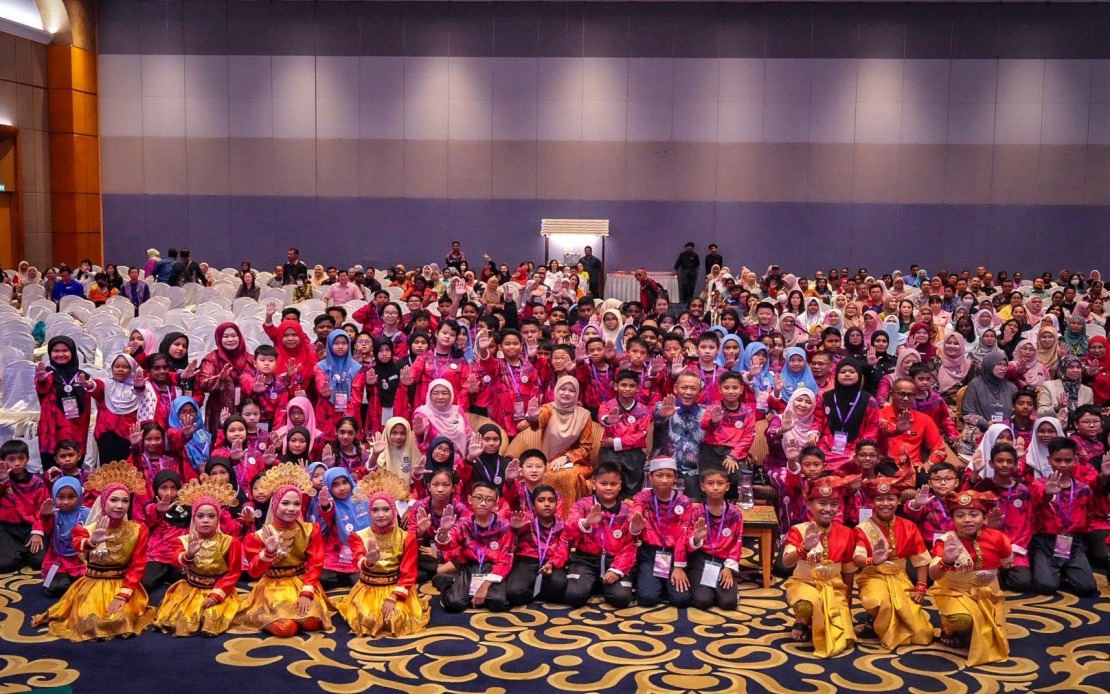
Education Minister Fadhlina Sidek has underscored the necessity for a coordinated, multi-layered strategy to address escalating concerns about school safety across Malaysia's educational institutions. Speaking on the issue, she stressed that creating a genuinely protective environment for students demands sustained commitment and active participation from every sector involved in the education ecosystem, including parents, teachers, administrators, and government bodies.
The minister outlined her immediate priority as restoring and strengthening public confidence that Malaysia's schools function as secure spaces where every child receives adequate protection. This encompasses not only physical safety measures but equally important safeguards for students' emotional and psychological wellbeing. Fadhlina made explicit that there can be no flexibility or negotiation when addressing matters that jeopardise the safety and dignity of young people within school grounds.
Fadhlina articulated that all educational institutions operating under the Ministry of Education's purview must strictly adhere to established safety guidelines and child protection protocols. These frameworks are designed to serve as binding standards rather than merely advisory suggestions. Their comprehensive implementation across all schools remains essential to achieving the overarching objective of establishing a cohesive, safe school ecosystem that functions uniformly regardless of location or institution type.
Recognising that school safety extends beyond conventional security infrastructure, the minister highlighted the critical importance of addressing underlying mental health challenges among the student population. This reflects growing understanding that psychological distress and unresolved emotional issues can contribute to unsafe conditions within schools, including incidents of bullying, self-harm, and violence. Integrating robust mental health support systems into schools therefore represents an integral component of any genuine safety strategy.
Fadhlina issued a direct appeal to parents and educators participating in the Mutiara Diri Programme, requesting they work collaboratively to enhance coordination and information-sharing across different stakeholder groups. She emphasised that this collective approach is essential for translating safety policies from documents into practical, lived reality within school environments. The synergy she called for reflects understanding that isolated efforts by individual stakeholders will prove insufficient to address the multifaceted nature of contemporary school safety challenges.
The minister articulated a fundamental principle: children possess an inherent right to occupy educational spaces that are simultaneously physically secure, emotionally supportive, and conducive to their overall development. This framing positions school safety not merely as an administrative or procedural matter, but as a basic entitlement reflecting societal values regarding child protection and welfare.
The Mutiara Diri Programme, which drew participation from Negeri Sembilan Menteri Besar Datuk Seri Aminuddin Harun alongside other educational stakeholders, was characterised by Fadhlina not as a routine training exercise but as a significant advocacy initiative. This positioning reflects the government's intention to elevate school safety to a matter of serious national concern deserving strategic focus and resource allocation. The involvement of state-level political leadership indicates that school safety has transcended being purely an education ministry concern to become a cross-government priority.
The emphasis on strategic approach acknowledges that the problem of school safety has grown increasingly complex, resisting simple or singular solutions. Contemporary challenges encompass cyberbullying, mental health crises, substance use, weapon possession, and various forms of abuse—each requiring different preventive and responsive interventions. A truly strategic approach must therefore be comprehensive, addressing root causes while simultaneously establishing effective intervention and support mechanisms.
Fadhlina's statements reveal implicit recognition that effective school safety depends heavily on building public confidence—a potentially fragile asset that can be damaged by highly publicised incidents. By stressing zero compromise on safety matters, she signals to parents and communities that the ministry takes their concerns seriously and will pursue accountability when safety standards are breached. This messaging is particularly important in an era where social media amplification of school incidents can rapidly erode parental confidence in institutional competence.
The call for comprehensive commitment from all parties reflects understanding that schools cannot be rendered safe through top-down mandates alone. Genuine safety culture emerges when educators embrace their role as protectors, parents remain vigilant and supportive, students understand their own responsibilities regarding peer safety, and administration provides adequate resources and leadership. The success of safety initiatives therefore depends significantly on voluntary compliance and authentic commitment rather than mere regulatory adherence.
Looking forward, the extent to which these principles translate into measurable improvements in school safety will depend on implementation fidelity across Malaysia's diverse school system. Variations in resource availability, administrative capacity, and local challenges mean that a one-size-fits-all approach may prove inadequate. The framework Fadhlina has outlined provides necessary principles, but realising them requires sustained attention, adequate funding, and willingness to adapt strategies based on emerging evidence regarding what protective measures prove most effective.

