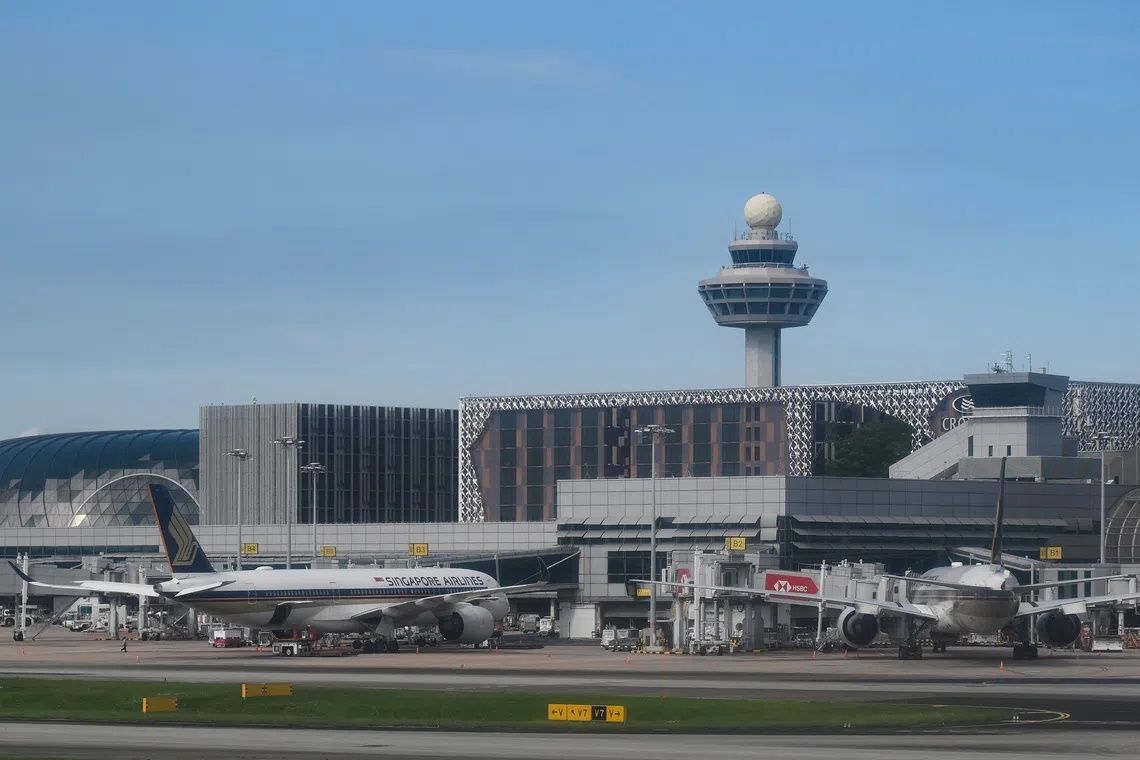
A British passenger in his mid-twenties is set to face multiple charges in Singapore following an escalating confrontation at Changi Airport's Terminal 1 on July 20, an incident that disrupted travel for an entire flight to Kuala Lumpur. The altercation, which unfolded over the course of a single afternoon, highlights growing tensions around alcohol-fuelled behaviour in aviation terminals and raises questions about passenger conduct standards across Southeast Asian hubs.
Police received notification of the disturbance at approximately 4.05pm on the July date, when the man began creating a nuisance at the boarding gate for the Malaysia-bound service. According to accounts of the incident, the passenger exhibited disruptive behaviour characterised by loud conversation and shouting that proved irritating to other travellers preparing to board. Officers determined that intoxication played a central role in the man's conduct from the outset, setting the tone for subsequent interactions with airport personnel.
When two members of the airline's ground staff approached him to address the disruption, the situation deteriorated markedly. The passenger responded with visible anger and directed profane language at one of the staff members, escalating verbal aggression into what authorities characterise as abusive behaviour. This initial confrontation prompted the airline to make the decision to remove him from the passenger manifest, a standard measure for intoxicated individuals deemed a risk to flight safety and the comfort of other travellers.
Communication of this removal decision triggered a dramatic shift in the man's demeanour. Rather than complying with the airline's directive or accepting the outcome, he responded with increased aggression and made an aggressive push through airline personnel in an attempt to board the aircraft regardless. In breaching the airline staff's line of defence, he unlawfully entered a secured section of the airport facility that is strictly off-limits to unauthorised persons. During this forceful manoeuvre, one staff member fell to the ground, sustaining injuries to her left arm and wrist—physical consequences that transform the incident from mere disruption into a matter involving actual bodily harm.
The passenger's behaviour remained unchecked as he continued his aggressive demeanour while engaging airport security officials, directing further profanity and hostile language toward them. This sustained pattern of misconduct directly resulted in a substantial 45-minute postponement of the flight's departure, affecting not only crew preparations but the schedules and plans of all passengers aboard. The extended delay represented a tangible operational and commercial consequence of his actions, extending the disruption well beyond the confines of the gate area.
When Singapore authorities formally confirmed the charges on Tuesday, August 11, three separate offences were outlined. The first involves causing annoyance while intoxicated in a public place, a charge directly addressing the initial phase of the incident. The second concerns threatening, abusive, or insulting words or behaviour, encompassing the verbal aggression directed at staff members. The third charge relates to unlawfully entering a protected area of the airport, the most serious allegation arising from his forcible attempt to breach security protocols and board the aircraft.
The potential penalties reflect Singapore's strict approach to airport conduct breaches. A conviction on the intoxication-related annoyance charge carries a maximum fine of S$1,000, imprisonment for up to six months, or both penalties combined. The abusive language charge provides for fines reaching S$5,000. Most significantly, unauthorised entry to a protected airport zone carries the heaviest sanction: a fine up to S$20,000, imprisonment for up to two years, or both—a substantially elevated penalty that underscores how seriously Singapore treats breaches of airport security protocols.
For Malaysian readers and the broader Southeast Asian aviation community, this incident exemplifies an ongoing challenge facing the region's airports: managing passenger behaviour when alcohol consumption intersects with travel stress. Changi Airport, consistently ranked among Asia's premier aviation facilities, nonetheless confronts these occasional disruptions, as do Kuala Lumpur International Airport and other major hubs throughout the region. The case also demonstrates how a single passenger's loss of control can impose cascading delays affecting hundreds of people and generating substantial operational costs for airlines and airports alike.
The incident carries broader implications for airline policies on intoxicated passengers and the training protocols that ground staff receive when encountering non-compliant travellers. The injury sustained by the female staff member raises workplace safety concerns within aviation, where employees routinely navigate confrontational situations with minimal physical protection. This case will likely be referenced in future discussions about appropriate responses to passenger misconduct and the legal frameworks that support staff safety across the region's aviation sector.
As the man appears before Singapore courts for formal prosecution, the case serves as a cautionary narrative about the intersection of intoxication, air travel, and personal accountability. The charges represent an escalating severity—from behavioural disruption to physical assault and security breaches—that would warrant serious consideration by any court system committed to maintaining order within critical transportation infrastructure. For travellers throughout Malaysia and Southeast Asia, the proceedings may reinforce public awareness that airport security breaches carry substantial legal consequences across the region.

