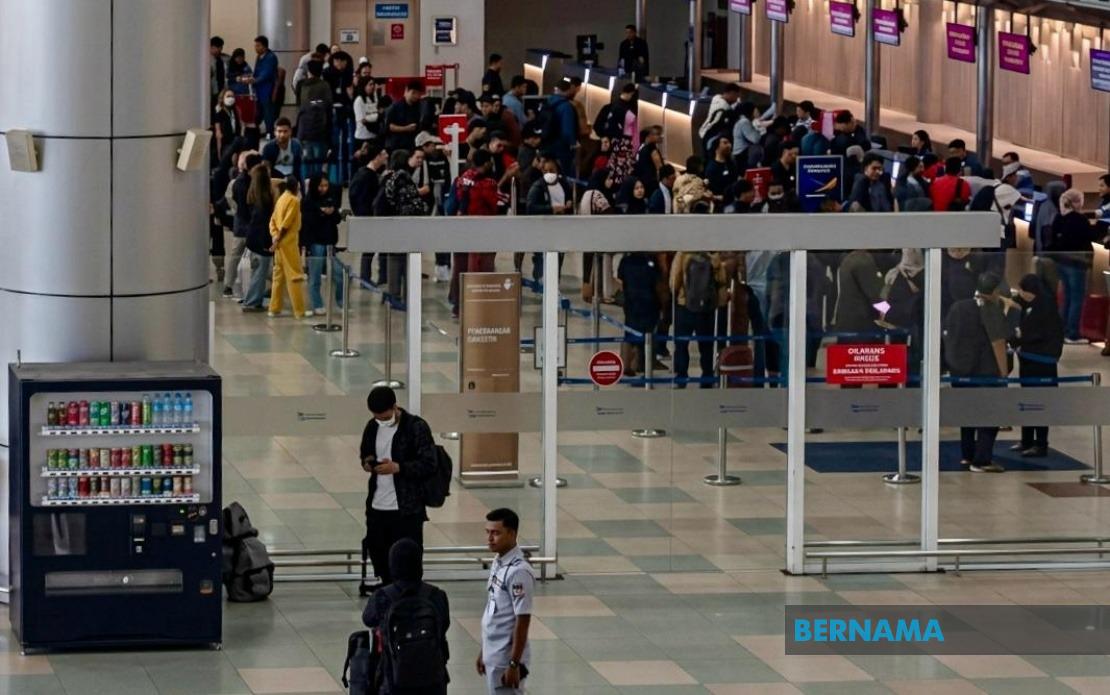
A security incident at Labuan Airport disrupted air travel across East Malaysia on June 26 when authorities discovered bombs in close proximity to the operational runway and immediately declared the facility unsafe for flight operations. The Royal Malaysian Air Force issued a Notice to Airmen at 5pm, formally suspending all runway activity pending completion of safety inspections and clearance protocols. The explosive devices were located approximately 150 metres from the active runway, placing aircraft and ground personnel at potential risk and triggering a comprehensive response from both military and civilian airport management.
The discovery prompted an immediate joint operation between the RMAF and airport authorities to assess the extent of the threat and determine when normal operations could safely resume. Rather than rushing to reopen the facility, officials adopted a cautious approach, with inspectors conducting thorough examinations of the runway environment and surrounding areas. The decision to maintain closure until all safety clearances were formally issued reflected the seriousness with which authorities treated the incident, prioritising passenger and staff security over operational convenience.
The temporary suspension created significant disruption across multiple routes serving the region. Airlines operating from Labuan found themselves forced to cancel scheduled departures to Miri and Kota Kinabalu, two major commercial hubs in East Malaysia. Beyond outright cancellations, numerous flights experienced delays, diversions to alternative airports, or operational modifications as airlines worked to accommodate passengers and maintain their schedules despite the closure. The cascading effects extended to services linking Labuan with Kuala Lumpur, the nation's primary aviation hub, affecting both business and leisure travellers relying on these connections.
Checks conducted at the airport revealed that flights scheduled for departure at 4:05pm, 5:15pm, 6:05pm, 6:15pm, and 7:25pm were among those directly impacted by the runway closure. These staggered departure times suggest the incident occurred during peak evening travel windows, maximising the number of passengers affected during a period when business commuters and end-of-day leisure travellers would typically be utilising the facility. The timing amplified the disruption's scope, as rebooking and rerouting passengers during busy periods creates logistical challenges for airlines and uncertainty for travellers.
Labuan Airport's strategic importance to East Malaysian connectivity makes such closures particularly consequential for regional commerce and travel. As the primary aviation gateway serving Labuan's offshore oil and gas sector, financial services industry, and broader business community, any suspension of operations reverberates through the economy. Workers commuting between Labuan and major centres, executives conducting business travel, and tourists visiting the federal territory all depend on reliable air links, making runway safety incidents a matter of regional economic concern. The airport's significance extends beyond Labuan itself, serving as a critical alternative and supplementary facility for regional air traffic when primary hubs experience congestion.
The incident underscores the ongoing security challenges facing Malaysian aviation infrastructure. While specific details about the nature of the explosive devices, how they were discovered, and potential investigative leads were not disclosed in initial reports, the discovery raised questions about perimeter security, regular surveillance protocols, and the effectiveness of existing safeguards. The proximity of the explosives to the active runway—just 150 metres away—suggested they posed an immediate operational threat rather than representing a distant or contained hazard. This proximity emphasised the potential consequences had the runway remained open during normal operations, as aircraft movements could have triggered detonation or created secondary risks.
Passengers travelling through or to Labuan were advised to maintain direct contact with their airlines for updated flight information rather than relying on airport sources or general announcements. This decentralised communication approach reflected the fluid nature of the situation, as authorities worked through inspection processes without predetermined timelines for reopening. Airlines bore the responsibility of keeping their customers informed, particularly important given the volume of affected passengers and the potential for confusion regarding which flights remained operational, had been cancelled, or were being rerouted. The emphasis on passenger diligence in checking flight status highlighted the importance of pre-travel communication during such incidents.
The broader context of this incident within Southeast Asia's aviation security landscape merits consideration. The region has experienced various security challenges affecting airport operations, and Malaysia has invested substantially in aviation security infrastructure and protocols across its major facilities. The Labuan incident demonstrated that even with these measures in place, threats can still emerge and require operational response. The swift issuance of the NOTAM and coordinated response from military and civilian authorities reflected established procedures for handling such situations, though the actual discovery mechanism and circumstances remained undisclosed pending ongoing investigations.
For Malaysian travellers and businesses relying on Labuan's connectivity, the incident served as a reminder of the vulnerability of air transport to security disruptions. While the temporary closure was implemented as a precautionary measure to protect lives and aircraft, it also illustrated the knock-on effects that such incidents create throughout regional networks. Airlines operating thin margins on East Malaysian routes must maintain sufficient flexibility to absorb such disruptions, and passengers planning critical travel should maintain awareness of potential airport security issues affecting their journeys. Authorities' commitment to thorough safety inspections before resuming operations, while necessary, also underscored the challenge of balancing security imperatives against economic and logistical pressures to restore normal traffic flow.

