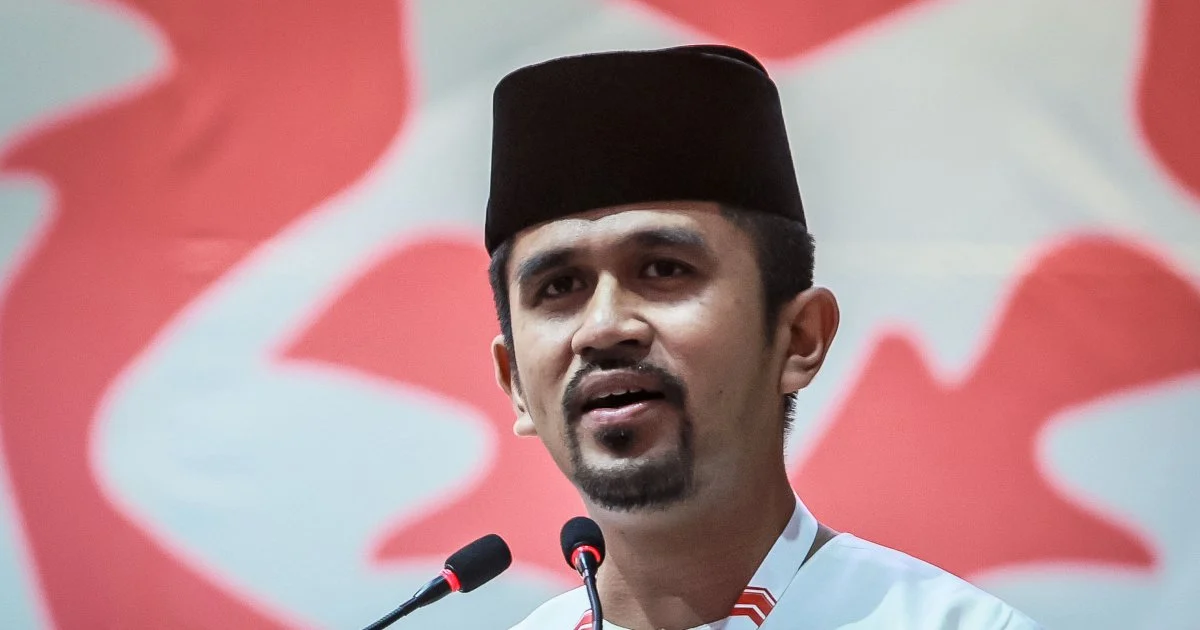
Barisan Nasional Youth secretary-general Hafiz Ariffin has launched a pointed challenge at Johor Pakatan Harapan, demanding clarity on why several of the state's most prominent opposition leaders have chosen to sit out the July 11 state election rather than contest seats. The criticism marks an escalation in the rhetoric between the ruling coalition and its political rivals as both sides prepare for what is shaping up to be a fiercely contested electoral battle in Malaysia's southernmost peninsula state.
The decision by established PH personalities to remain absent from the candidate roster has become a talking point in Johor political circles, with analysts suggesting it could signal broader strategy shifts within the opposition alliance. Rather than fielding their veteran campaigners and recognisable faces, PH's selection process appears to have favoured newer or less prominent party members, a choice that has drawn scrutiny from multiple quarters. Hafiz Ariffin's intervention indicates that BN intends to weaponise this apparent reluctance by senior opposition figures, framing it as evidence of wavering commitment or internal discord.
The implications of this pattern extend beyond simple electoral mathematics. In Malaysian state politics, where personality-driven campaigns and local reputation remain crucial, the visibility and participation of established leaders can significantly influence voter sentiment and party morale. When senior figures decline to contest, it can be interpreted as a lack of confidence in the party's prospects, a reluctance to stake their political credibility on uncertain outcomes, or internal disagreements about direction and strategy. BN Youth's challenge appears designed to amplify these perceptions among the Johor electorate.
Pakatan Harapan's candidate selection process for the Johor election has reflected broader challenges facing the federal coalition since its return to power in 2022. The alliance comprises multiple parties with distinct interests, and balancing representation across Umno defectors, Amanah, PKR, and other constituent parties requires delicate negotiation. Some senior PH leaders may have strategically chosen to focus on federal politics or other constituencies, while the party leadership may have concluded that fresh faces would better appeal to voters seeking change at the state level.
For Johor specifically, the July 11 election represents a crucial test of PH's strength in a state where Barisan Nasional has traditionally held considerable sway. The state government's composition following the polls could influence the broader balance of power in Malaysia, potentially affecting everything from state economic policy to the viability of federal coalitions. This context makes the composition of the candidate list far more significant than routine administrative matters.
Hafiz Ariffin's intervention also reflects BN Youth's role as a more combative wing of the broader Barisan Nasional coalition, tasked with delivering pointed criticism that senior party leadership might prefer to avoid. This approach allows the main coalition to maintain a measured public posture while ensuring that opposition vulnerabilities receive vigorous exposure. The secretary-general's questioning thus serves multiple strategic purposes simultaneously: delegitimising PH's candidate choices, rallying BN Youth supporters, and potentially demoralising opposition activists.
The absence of high-profile PH figures from the race presents recruitment and voter engagement challenges for the opposition. Established leaders serve as anchor points for campaigns, drawing media coverage, attracting campaign volunteers, and providing credibility to party platforms. Their absence forces PH to build momentum from scratch with candidates who may lack the political networks and public recognition that facilitate electoral victory. For voters accustomed to a particular slate of opposition figures, their apparent withdrawal can feel like a breach of political commitment.
This development also highlights the internal pressures within Pakatan Harapan itself. Federal coalition partners must balance local state-level considerations with maintaining solidarity and overall coalition cohesion. Some PH leaders may have calculated that contesting in Johor would expose them to defeat, damaging their standing in federal politics where they hold ministerial positions or significant parliamentary roles. The tension between protecting individual political capital and advancing collective coalition objectives remains a persistent challenge for PH's leadership.
Looking forward, whether BN Youth's challenge will resonate with voters depends partly on how effectively PH can reframe the narrative around its candidate selections. The opposition coalition might argue that empowering new faces represents democratic renewal and generational transition, positions that could appeal to younger voters. Alternatively, if PH cannot articulate a compelling rationale for the absence of its senior figures, the criticism could accumulate into a broader impression of organisational weakness or lack of commitment to the state.
The Johor election ultimately serves as a barometer for the health of both major coalitions as Malaysia navigates the period between its 2022 federal election and expected 2027 polling. The composition of candidate lists, the participation of senior leaders, and the rhetoric surrounding these decisions all contribute to the broader story of which coalition commands genuine momentum and confidence heading into what many analysts regard as a critical period for Malaysian politics.