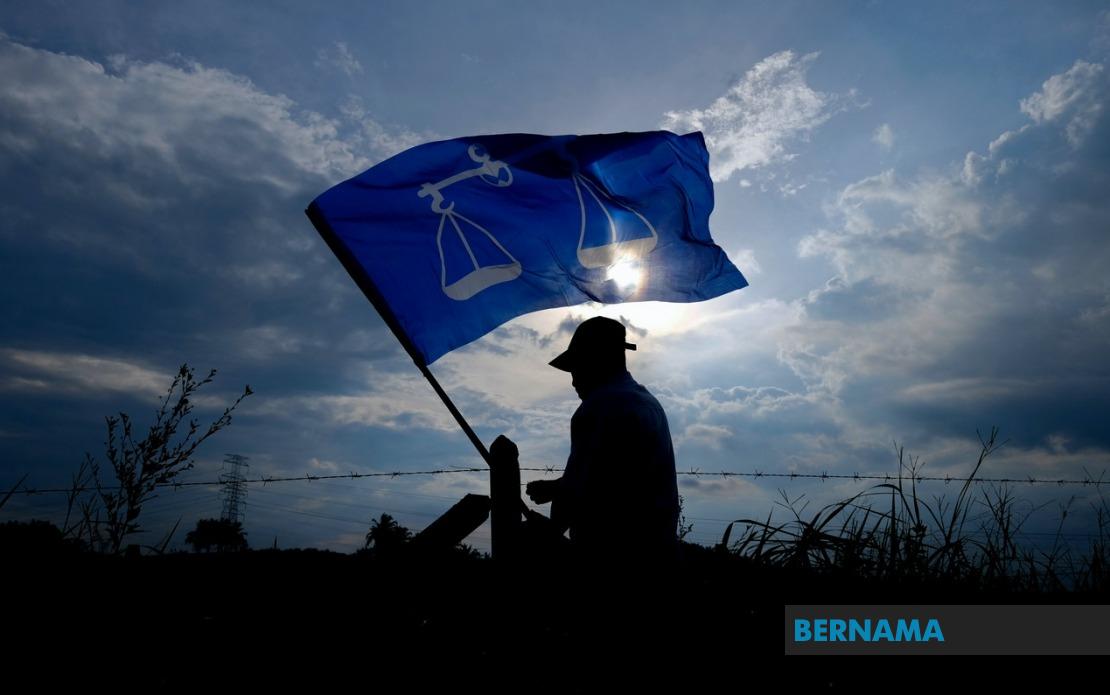
Barisan Nasional will tailor its political strategy and candidate selection process for the Negeri Sembilan state election to reflect the unique characteristics of the state's electorate, according to coalition chairman Datuk Seri Dr Ahmad Zahid Hamidi. Speaking in Kuala Lumpur on July 13, the Deputy Prime Minister underscored that a one-size-fits-all approach would be inappropriate given Negeri Sembilan's distinct profile compared to other Malaysian states.
The BN's recognition of state-level variations marks a shift in approach as the coalition prepares for what is anticipated to be a competitive election. Ahmad Zahid emphasised that the number of available seats, the composition of the population across different age groups and socioeconomic categories, and established voting behaviour patterns would all inform how BN structures its campaign and decides upon its candidates. This targeted methodology reflects lessons learned from recent electoral contests and a growing understanding within the coalition that local factors often determine electoral outcomes more decisively than broader national messaging.
Ahmad Zahid made his remarks following attendance at a briefing session involving the TVET@KKDW contingent preparing to participate in WorldSkills Shanghai 2026. The event, which also included Deputy Rural and Regional Development Minister Datuk Rubiah Wang, provided the platform for the BN chairman to address the media on coalition preparations in Negeri Sembilan. The timing of these comments suggests that BN's internal deliberations on candidate selection have reached an advanced stage, with formal announcements anticipated within days rather than weeks.
The coalition chairman's comments on Negeri Sembilan come on the heels of BN's successful performance in the Johor state election held the previous Saturday. In his remarks at the TVET event, Ahmad Zahid attributed that victory to what he characterised as the coalition's mental resilience and creative problem-solving abilities during the campaign period. The Johor result appears to have boosted confidence within BN, though the coalition recognises that each state presents distinct electoral dynamics that require careful calibration.
Regarding ongoing cooperation discussions with Parti Islam Se-Malaysia (PAS), including negotiations over a potential candidate for the Negeri Sembilan Menteri Besar position, Ahmad Zahid adopted a cautious stance. He clarified that no formal agreement currently exists between BN and PAS, and that conversations between the two parties should be understood as exploratory discussions reflecting a preliminary understanding rather than settled arrangements. This distinction carries importance as it suggests that negotiations remain fluid and that any announcements regarding BN-PAS cooperation in Negeri Sembilan should be treated as provisional until officially confirmed.
The BN chairman's comments on PAS cooperation reflect the complexity of managing multiple partnership arrangements across different political levels. While BN and PAS cooperate within the Perikatan Nasional framework in certain states, their relationship at the federal level remains more ambiguous. Ahmad Zahid's emphasis on the preliminary nature of discussions suggests that the coalition wants to avoid overcommitting to any particular arrangement before all stakeholders have reached consensus on the terms and implications.
When questioned about calls for Housing and Local Government Minister Nga Kor Ming to resign from his position, Ahmad Zahid adopted a diplomatic posture. He noted that the intensity of criticism directed at Nga, who serves as DAP deputy chairman, was inappropriate given that both DAP and other coalition components are integrated within the Unity Government at the federal level. Ahmad Zahid argued that such calls for resignation, while potentially acceptable rhetoric for opposition parties, become problematic when issued by partners within a governing coalition that requires cohesion and mutual confidence.
The BN chairman's defence of Nga illustrates the delicate balance required within the Unity Government framework. Federal coalition partners UMNO, DAP, PKR, and other component parties must publicly support one another even when disagreements emerge on specific issues or personnel. Ahmad Zahid's statement that he would meet with Nga personally and described him as a friend signals that personal relationships remain intact despite public disagreements. This approach attempts to compartmentalise disputes and prevent tactical criticism from escalating into coalition-threatening tensions.
Ahmad Zahid asserted that relationships among Unity Government leaders at the federal tier remain cordial and functionally professional, with all parties committed to functioning as a cohesive team through the remainder of the current administration's term. This characterisation represents the official coalition narrative, though it masks underlying tensions that periodically surface in public discourse. The statement serves to reassure stakeholders that the federal coalition framework remains stable despite occasional friction between component parties over ministerial appointments, policy direction, or political strategy.
The emphasis on maintaining Unity Government stability takes on heightened significance as BN prepares for state-level contests in Negeri Sembilan and potentially other states. Federal coalition unity provides a foundation of legitimacy and institutional advantage that BN can leverage in state campaigns. Conversely, visible fractures within the federal coalition could undermine BN's electoral positioning by signalling internal discord and raising questions about governance competence. Ahmad Zahid's messaging on this front aims to project confidence and organisational coherence.
For Negeri Sembilan voters and political observers across the region, Ahmad Zahid's announcements signal that BN is approaching the upcoming state election with a calibrated strategy informed by detailed electoral analysis. The coalition's willingness to adjust its approach based on local conditions suggests a more sophisticated understanding of Malaysian electoral politics than has sometimes been evident in previous contests. However, the vagueness surrounding PAS cooperation terms and the emphasis on forthcoming candidate announcements leave significant questions unanswered regarding BN's specific composition and campaign priorities in the state.
The coming days will prove significant as BN formally unveils its Negeri Sembilan candidates and potentially clarifies the contours of any PAS partnership. These announcements will determine whether BN's stated commitment to demographic-sensitive strategy translates into substantive changes in candidate profiles and messaging. The results will also indicate whether cooperation with PAS enhances or complicates BN's electoral prospects in the state.

