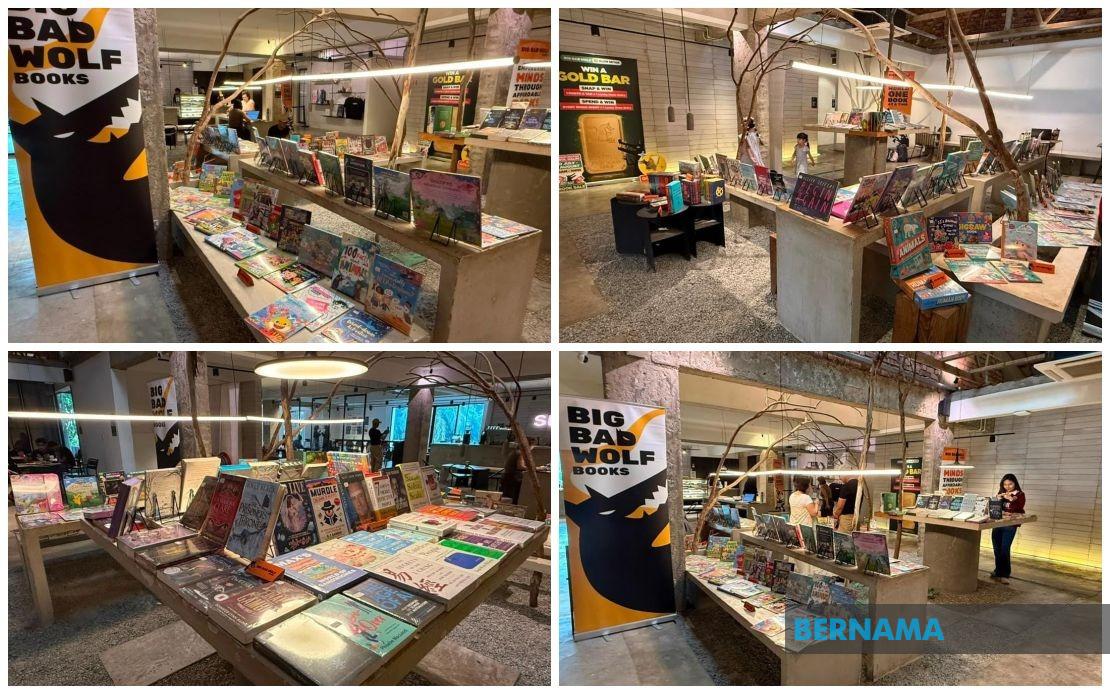
Malaysia's biggest book fair, Big Bad Wolf Books (BBW), is making its anticipated return to Alor Setar next month with a substantially refreshed catalogue and expanded offerings designed to deepen reading engagement across Kedah. The 11-day event, scheduled from July 30 to August 9, will operate daily from 10am to 10pm at Sultan Abdul Halim Stadium with complimentary entry for all visitors, positioning accessibility as a core principle of the initiative.
The event carries particular significance for Kedah's literary ecosystem. According to BBW representative Chloe Lim Sooi Yee, the decision to bring 40 per cent new titles reflects a deliberate strategy to both refresh the collection and provide readers with substantially greater variety than previous iterations. This refresh goes beyond mere inventory management; it represents a commitment to sustaining interest among repeat visitors while simultaneously attracting new audiences who may have encountered the fair before but found the selection limited.
Beyond the numerical increase in titles, organisers are introducing a curated collection of "Little Ummah" Islamic children's books to the Kedah market for the first time. This strategic inclusion acknowledges the state's demographic composition and demonstrates sensitivity to diverse reading preferences. The move reflects evolving market awareness within the regional publishing sector, recognising that successful book fairs must cater to specific community interests rather than adopting a one-size-fits-all approach to literary offerings.
The scale of the operation underscores the event's regional prominence. Approximately one million books will be available for purchase, with entry-level pricing commencing at just RM3. More dramatically, discounts reaching as high as 95 per cent on select titles create genuine shopping opportunities for budget-conscious families and students. These aggressive pricing strategies represent a philosophical commitment to what organisers term "accessible and affordable books for all," a positioning that distinguishes BBW within Malaysia's retail book landscape.
Educational institutions are receiving special attention through targeted promotional initiatives. BBW representatives plan to visit multiple schools throughout Kedah to raise awareness of the fair. Students and teachers purchasing at least three books receive an additional five per cent discount beyond the already-substantial reductions, directly supporting the initiative's stated goal of fostering literacy culture among younger demographics. This targeted approach recognises schools as influential gatekeepers capable of mobilising group attendance.
Incentive mechanisms extend beyond traditional discounts. The "spend and win" and "snap and win" campaigns offer visitors opportunities to win ten-gramme gold bars, introducing gamification elements designed to enhance the shopping experience and encourage impulse participation. Such campaigns historically prove effective in driving foot traffic and extending visitor dwell time within the venue, translating to increased purchasing behaviour.
The broader context for this initiative relates to growing recognition throughout Malaysia that reading culture requires continuous nurturing. State and regional governments increasingly understand that book fairs serve functions beyond commercial transactions—they represent cultural infrastructure investments capable of influencing long-term literacy habits. Kedah's embrace of BBW reflects this expanding consensus about books' role in community development and educational advancement.
Organisers have established an ambitious visitor target of 35,000 attendees across the 11-day period, translating to approximately 3,200 daily visitors. This projection reflects confidence in Alor Setar's demonstrated appetite for the event based on previous iterations, though it also indicates the magnitude of planning and logistics required to accommodate such volumes within the stadium facility during peak hours.
The timing and duration of the fair merit consideration. The late July through early August window coincides with school holidays across Malaysia, strategically positioning the event to capture family group attendance. Parents seeking educational entertainment options during the extended break represent a natural market segment, while the sustained 11-day duration allows for multiple visits by interested readers rather than constraining participation to those available during specific weekends.
From a Malaysian publishing industry perspective, BBW fairs generate significant data regarding regional reading preferences and purchasing patterns. The emphasis on new titles acquiring forty per cent of the inventory suggests publishers and distributors view the Kedah market as responsive to contemporary releases rather than overwhelmingly oriented toward backlist titles. This intelligence feeds into broader supply chain decisions affecting inventory distribution throughout peninsula Malaysia.
The integration of Islamic children's literature represents a notable departure from purely secular content-heavy book fair models. This reflects Malaysia's multicultural publishing ecology and the growing professionalisation of niche market segments. Publishers specialising in Islamic educational materials have expanded substantially over the past decade, and their presence at major book fairs signals market maturation and mainstream acceptance of previously marginalised literary categories.
Looking ahead, the success metrics for this iteration will likely influence future BBW scheduling across other Malaysian states. Strong attendance would validate the business case for sustained investment in regional expansion, potentially leading to additional events in underserved markets. Conversely, disappointing turnout might prompt strategic recalibration regarding location selection or marketing approaches in secondary cities. For Alor Setar specifically, this fair represents an opportunity to demonstrate Kedah's commitment to cultural development and community literacy advancement, positioning the state as a serious participant in Malaysia's broader reading ecosystem rather than a peripheral market.

