The modern Malaysian office worker faces an invisible threat that transcends the distinction between boardroom and beachside. Whether you spend your day navigating spreadsheets beside air-conditioned windows or commuting through Kuala Lumpur's tropical humidity, your skin endures a relentless barrage of damaging rays and environmental stressors that most people fail to recognize. This everyday exposure—not occasional weekend trips to the coast—accounts for the overwhelming majority of premature skin ageing, a phenomenon dermatologists increasingly emphasize as they challenge the outdated notion that sun protection matters only when the sky is cloudless.
A startling statistic underscores this reality: approximately 80% of visible signs of skin ageing stem from daily, incidental ultraviolet exposure rather than intentional sun exposure during leisure activities. For office-bound professionals in Southeast Asia, where tropical sunlight penetrates through windows and reflects off building surfaces even on overcast afternoons, the cumulative toll becomes profound. This finding fundamentally reshapes how dermatologists and skincare brands approach photoaging prevention, shifting focus away from vacation-specific sun care toward comprehensive daily protection that integrates seamlessly into ordinary routines.
The challenge intensifies when considering the modern digital lifestyle. Beyond traditional UV radiation, research indicates that approximately 25% of oxidative cellular damage among frequent screen users results from high-energy visible light—the blue light emitted by laptops, smartphones, and LED office lighting. This discovery means that someone spending eight hours at a desk, even in a fully enclosed environment with glass windows filtering some UV rays, still accumulates significant skin damage through combined UV and blue light exposure. The implications for Malaysia's growing population of remote workers and office professionals are substantial, requiring a reassessment of what genuine skin protection entails.
Dr Syairah Nadia Mohamad, chief executive officer of Radiant Clinique, emphasizes that skin damage accumulates indiscriminately across weather conditions and settings. She notes that the human dermis makes no distinction between exposure during a sunny afternoon and incidental exposure through a work-from-home window. This biological reality contradicts the common assumption that overcast days or indoor spaces provide natural protection. The cumulative impact of daily exposure—multiplied across months and years—far outweighs occasional intensive sun exposure, making routine protection a non-negotiable element of skincare rather than a seasonal consideration.
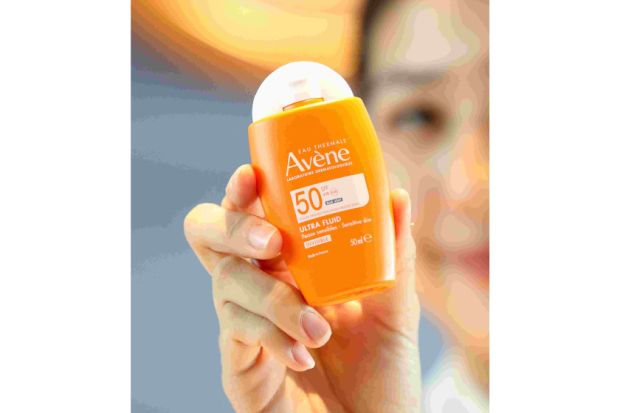
Addressing these challenges, Eau Thermale Avene unveiled its Ultra Fluid Range in July 2026, engineered specifically for the modern lifestyle. The collection comprises four sunscreen formulations developed to accommodate diverse skin types and daily schedules, incorporating the brand's proprietary TriAsorB sun filter technology. This advancement marks a significant departure from traditional sunscreen formulations that consumers have historically found burdensome—heavy, sticky products that interfere with makeup application or feel uncomfortable beneath the tropical heat that characterizes most of the Malaysian year.
Cristiana Irimescu, Asia export business director for Pierre Fabre Singapore Pte Ltd, articulates how this innovation resolves a longstanding tension in sun care. For decades, consumers faced a false choice between prioritizing skin health and maintaining a natural, comfortable aesthetic. Heavy sunscreens, while protective, often created cosmetic compromises that discouraged consistent daily application. The new formulation addresses this friction point through an ultra-fluid texture that achieves absorption in approximately one second, eliminating the white cast and residual stickiness that deter compliance among everyday users.
The technical foundation of the Ultra Fluid Range reflects sophisticated understanding of modern photoaging mechanisms. The TriAsorB filter provides broad-spectrum protection against both UVA and UVB radiation while extending coverage to high-energy visible blue light—a comprehensive approach that addresses all primary sources of daily skin damage. Equally important for Malaysian consumers sensitive to ingredient transparency, the formula maintains a clean composition entirely free from silicones, alcohol, and controversial synthetic chemical filters. This formulation appeals to the growing segment of skincare-conscious consumers who prioritize both efficacy and ingredient integrity.
The range's positioning acknowledges a critical behavioral reality: sustainable sun protection requires products that friction-free integrate into existing routines rather than demanding lifestyle adjustments. A sunscreen perceived as light as water, absorbing without visible residue, becomes a genuine habit rather than an optional chore. For Malaysian professionals juggling demanding schedules across multiple indoor and outdoor settings, this ease of application directly translates to increased likelihood of consistent daily use—which represents the genuine foundation of effective photoaging prevention.
The significance of this launch extends beyond product innovation to reflect broader industry recognition of how lifestyle patterns have transformed sun exposure dynamics. The traditional model of sun care—concentrated application during beach outings—has become increasingly obsolete as digital work, glass-enclosed offices, and tropical urban environments create novel exposure patterns. A professional commuting through humid Kuala Lumpur streets, working beside windows, and spending evenings before screens accumulates more total UV and blue light exposure than previous generations did during dedicated outdoor activities, yet often applies sunscreen with less consistency.
For the broader Southeast Asian region, these developments suggest shifting priorities in dermatological education and consumer awareness. Public health messaging about sun protection has historically emphasized dramatic risks—skin cancer risk from beach days—often missing the more insidious daily accumulation that drives visible ageing and skin damage across the general population. Malaysian healthcare professionals and wellness influencers increasingly recognize this gap, advocating for year-round, daily sun protection practices that treat photoaging prevention as fundamental to health maintenance rather than cosmetic vanity.
The economic implications merit consideration as well. As awareness grows regarding the cumulative consequences of unprotected daily exposure, demand for accessible, convenient sun protection products will likely intensify across Malaysia and Southeast Asia. This market expansion reflects genuine health consciousness rather than marketing-driven anxiety, as dermatological evidence increasingly validates the necessity of comprehensive daily protection. Consumers investing in effective daily sunscreens are essentially making preventative purchases that reduce future dermatological expenses and address visible ageing before it becomes pronounced.
Ultimately, the contemporary understanding of photoaging demands a cultural shift in how Malaysians conceptualize sun protection—moving beyond beach-day preparation toward integrated daily practice. The availability of formulations that deliver protection without cosmetic compromise or comfort sacrifice removes traditional barriers to compliance. Whether navigating Kuala Lumpur's traffic, working beside office windows, or spending evening hours before screens, consistent daily protection becomes not merely advisable but essential for maintaining skin health across decades.

