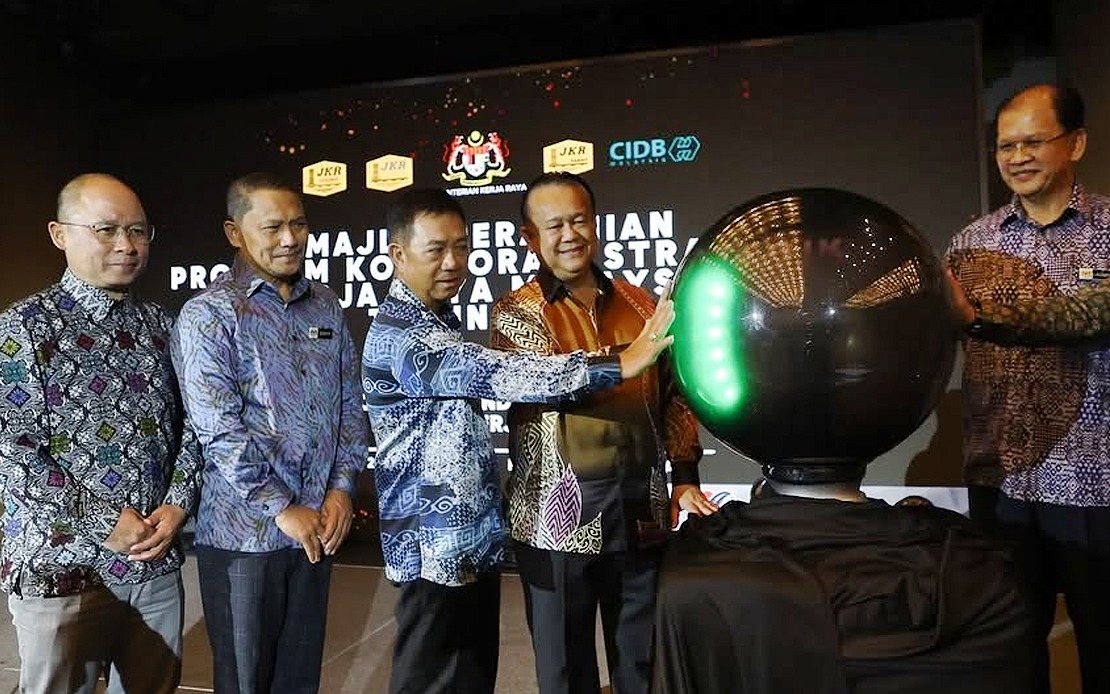
Improving coordination between the Malaysian Public Works Department and its state-level counterparts in Sabah and Sarawak represents a critical step towards resolving the construction delays that have plagued numerous national projects, Works Minister Datuk Seri Alexander Nanta Linggi said during a visit to Kota Kinabalu this week. The three agencies, which function as the country's primary construction implementing bodies, handle billions of ringgit worth of projects ranging from the Pan Borneo Highway to road networks and government buildings. Speaking at an official ceremony, Nanta stressed that establishing a collaborative platform allows senior officials to address challenges transparently and develop joint solutions, an approach he believes will accelerate project completion timelines across the nation.
The Works Ministry has explicitly communicated to all JKR departments that identifying and resolving problems remains a top priority, with the ultimate goal of enabling faster and more efficient project execution. Nanta acknowledged that while progress has been made since these coordination mechanisms were first established, considerable work remains to ensure infrastructure projects meet their scheduled deadlines. The underlying issue, he explained, centres on how coordination breakdowns between federal and state departments have contributed to delays, prompting the creation of this strategic partnership framework to systematically identify and rectify operational bottlenecks.
The significance of such collaboration cannot be overstated given the scale of Malaysia's ongoing infrastructure initiatives. The Pan Borneo Highway alone represents a massive undertaking spanning both East Malaysian states, requiring meticulous coordination between multiple implementing agencies to maintain momentum and quality standards. Beyond this flagship project, countless other development initiatives—from rural road improvements to facilities supporting government service delivery—depend on smooth operational alignment between JKR Malaysia, JKR Sabah, and JKR Sarawak. Each delay compounds costs and disrupts the broader development agenda, particularly in regions where infrastructure remains a limiting factor for economic competitiveness.
Addressing specific concerns about the Pan Borneo Highway project, Nanta clarified that infrastructure design decisions, including the placement of U-turn facilities along the corridor, follow rigorous technical protocols rather than arbitrary choices. Each location undergoes comprehensive engineering assessment accounting for road geometry, sight distances, and user safety parameters. This emphasis on technical rigour reflects broader quality standards that the Works Ministry intends to maintain across all collaborative projects. By making design rationale transparent, officials aim to counter public perceptions of inefficiency or poor planning that have occasionally shadowed major construction efforts in the region.
Deputy Chief Minister I and Sabah's Works and Utilities Minister Datuk Seri Dr Joachim Gunsalam reinforced the economic imperative underpinning infrastructure investment, characterising well-executed development projects as fundamental catalysts for growth, regional competitiveness, and improved public services. Beyond their direct economic impact, infrastructure initiatives significantly influence community quality of life and governmental effectiveness. Gunsalam stressed that every ringgit invested in infrastructure must be deployed with strategic foresight, executed to exacting quality standards, and managed sustainably throughout its operational lifespan. This comprehensive approach ensures that taxpayer resources deliver tangible, lasting benefits rather than white elephants or deteriorating assets.
Gunsalam further emphasised that project success ultimately requires transparent governance, prudent financial management, and institutional commitment to perpetual improvement. These principles extend beyond initial construction completion to encompass long-term asset maintenance and value extraction. In the Malaysian context, where budgetary resources remain finite and competing development priorities abound, demonstrating genuine value for money becomes essential for maintaining public confidence in government infrastructure programmes. Projects that exceed budgets, miss deadlines, or deliver substandard outcomes erode trust and create political obstacles to subsequent initiatives.
The collaborative framework was formally crystallised through multiple agreements signed during the Kota Kinabalu ceremony. A significant memorandum established data-sharing protocols for road asset management among the Works Ministry, Sabah's Works and Utilities Ministry, and the relevant local government department. Such data standardisation facilitates cross-departmental oversight and enables coordinated maintenance planning across jurisdictions. Additionally, both Sabah and Sarawak agreed to provide government premises for establishing MyBIM laboratories—Building Information Modelling facilities that employ advanced digital technologies to enhance project planning, design coordination, and construction management. These laboratories represent a modernisation initiative intended to reduce planning errors, improve contractor coordination, and ultimately accelerate project cycles.
The adoption of Building Information Modelling represents particularly important progress for Southeast Asia's construction sector, traditionally dominated by conventional paper-based documentation and fragmented digital systems. BIM technology enables three-dimensional visualisation of completed projects before physical construction commences, facilitating identification of design conflicts and optimisation opportunities during planning rather than expensive rectification during construction. By establishing MyBIM laboratories in Sabah and Sarawak, Malaysia positions itself to capture efficiency gains that advanced economies have realised through similar technological adoption. The initiative also supports skills development, as construction professionals gain exposure to emerging industry standards.
For Malaysian readers and regional observers, this coordination initiative carries broader implications beyond immediate project management improvements. Borneo's development trajectory significantly influences Malaysia's overall economic performance and regional standing in Southeast Asia. Sabah and Sarawak account for substantial portions of the nation's energy and resource wealth, yet historically have experienced infrastructure development at slower paces than Peninsular Malaysia. More efficient project execution in East Malaysia therefore addresses not merely technical inefficiencies but also regional equity concerns embedded in national development policy. Infrastructure improvements directly support economic diversification in both states, reduce business operating costs, and enhance quality of life metrics.
The Pan Borneo Highway project exemplifies these dynamics, as the 2,400-kilometre network ultimately promises to unlock economic potential across both states by reducing transport times and costs. However, the project's complexity—involving challenging terrain, environmental considerations, and coordination across multiple jurisdictions—has generated construction delays that have drawn public criticism. The strategic collaboration framework represents governmental acknowledgment that previous approaches proved inadequate, and that systematic institutional reform was necessary. Successful implementation of these new coordination mechanisms therefore carries significance extending well beyond administrative matters into the realm of national development strategy and regional balance.
Looking forward, the effectiveness of this collaborative approach will become evident through measurable improvements in project timeline adherence and cost control. Malaysian infrastructure stakeholders, including private contractors, suppliers, and communities affected by ongoing construction, will closely monitor whether the newly established coordination platform translates into tangible operational improvements. The establishment of MyBIM laboratories and data-sharing agreements represents necessary but not sufficient progress; institutional cultures must genuinely embrace collaborative problem-solving rather than defensive jurisdictional protection. Success requires commitment from all participating agencies and a demonstrated willingness to prioritise national development objectives over departmental interests, a cultural shift that remains challenging in large bureaucratic organisations.

