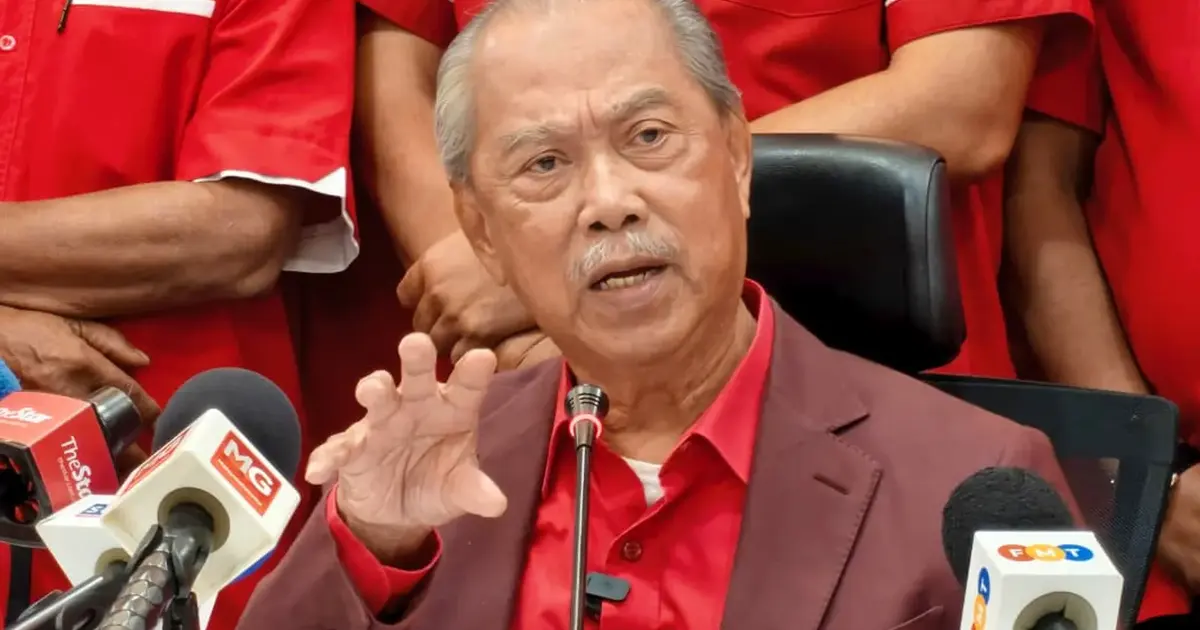
Bersatu's decision to redesign its party logo represents a deliberate attempt to redefine its public image and escape perceptions of subordination within its coalition arrangement with PAS, according to observers monitoring Malaysian political dynamics. The visual rebranding exercise signals leadership ambitions that extend beyond the shadow of its larger Islamist partner, reflecting broader tensions within Perikatan Nasional and the party's desire to establish a distinct identity ahead of state-level contests.
The timing of this branding initiative carries particular significance as the party prepares for electoral competition in Negeri Sembilan, a state where demographic and political complexities demand nuanced messaging. By presenting a refreshed visual identity, Bersatu aims to communicate organisational renewal and autonomy to both grassroots supporters and swing voters who may harbour doubts about the party's independence in decision-making. Political analysts suggest the rebranding exercise addresses a persistent vulnerability: the party's frequent association with PAS policies and positions has occasionally constrained its appeal to moderate voters across Malaysia's central regions.
However, observers caution that cosmetic changes to party symbols cannot substitute for substantive organisational capabilities. The forthcoming Negeri Sembilan state elections will reveal whether Bersatu possesses the electoral infrastructure necessary to translate renewed branding into electoral gains. These competitions serve as crucial testing grounds for parties seeking to establish independent credibility within coalition arrangements, and the results will significantly influence perceptions of Bersatu's viability as a political force.
Bersatu's organisational challenges extend across multiple dimensions that cosmetic rebranding cannot address. The party's electoral machinery—the essential network of coordinators, volunteers, and operational personnel that mobilise voters during campaigns—remains underdeveloped compared to more established competitors. This structural deficit becomes particularly pronounced in state-level contests where local knowledge and community relationships determine electoral outcomes. Without substantial investment in building systematic campaign infrastructure, the party risks squandering the goodwill generated by its logo initiative.
Resource constraints represent another significant headwind facing Bersatu's Negeri Sembilan ambitions. Electoral campaigns require sustained financial commitments for transportation, promotional materials, candidate support, and organisational activities. Parties operating within coalition frameworks sometimes struggle to secure adequate funding allocation, particularly when larger coalition partners prioritise their own territorial interests. Bersatu's financial position relative to PAS could fundamentally limit the scope and intensity of its Negeri Sembilan campaign, regardless of how effectively the rebranding message resonates with target audiences.
Grassroots support networks constitute the third pillar of electoral competitiveness that branding exercises cannot cultivate rapidly. Political parties succeed ultimately through the enthusiasm and dedication of local party members who interact directly with voters, explain party positions, and facilitate voter participation. Bersatu's grassroots presence in Negeri Sembilan remains comparatively thin, reflecting the party's relative youth and the entrenched positions of established political organisations. Building authentic grassroots momentum requires patient, sustained engagement rather than sudden symbolic interventions.
The Negeri Sembilan context adds distinctive complexity to Bersatu's electoral prospects. The state occupies an intermediate position within Malaysia's political geography, combining urban centres with significant rural constituencies. Voters in Negeri Sembilan have historically demonstrated openness to political realignment, yet they remain discerning about party competence and local representation quality. A redesigned logo alone cannot convince voters that Bersatu possesses the local credibility and operational capacity to address state-specific concerns regarding development, education, healthcare, and economic opportunity.
For Malaysian political observers, Bersatu's logo gamble illustrates the perpetual tension between marketing and substance in democratic competition. Political parties often deploy symbolic gestures to reshape public perception, yet these initiatives succeed only when accompanied by tangible improvements in party operations and demonstrated policy responsiveness. Bersatu's rebranding strategy may generate initial media attention and provide psychological reassurance to party loyalists, but sustained electoral success requires the party to translate visual renewal into concrete improvements across campaign organisation, resource mobilisation, and community engagement.
The broader implications extend beyond Bersatu's specific situation. Within Malaysian coalition politics, smaller partners frequently struggle to maintain distinct identities while navigating the gravitational pull of larger alliance members. Bersatu's attempt to project independence through rebranding reflects this common dynamic. However, the party's experience in Negeri Sembilan will offer valuable lessons about whether image management can offset structural organisational disadvantages, or whether political success ultimately depends on the less glamorous work of building reliable electoral machinery and cultivating genuine grassroots enthusiasm.
Analysts will scrutinise Bersatu's Negeri Sembilan performance as an indicator of the party's trajectory within Malaysian politics. Strong results would suggest that rebranding contributed meaningfully to political positioning and voter receptivity. Disappointing outcomes would reinforce the observation that electoral success requires comprehensive organisational development rather than reliance on symbolic gestures. The state contest thus becomes a litmus test for whether Bersatu can overcome its demonstrated vulnerabilities and establish itself as a consequential political actor, or whether structural limitations will constrain its ambitions regardless of branding sophistication.

