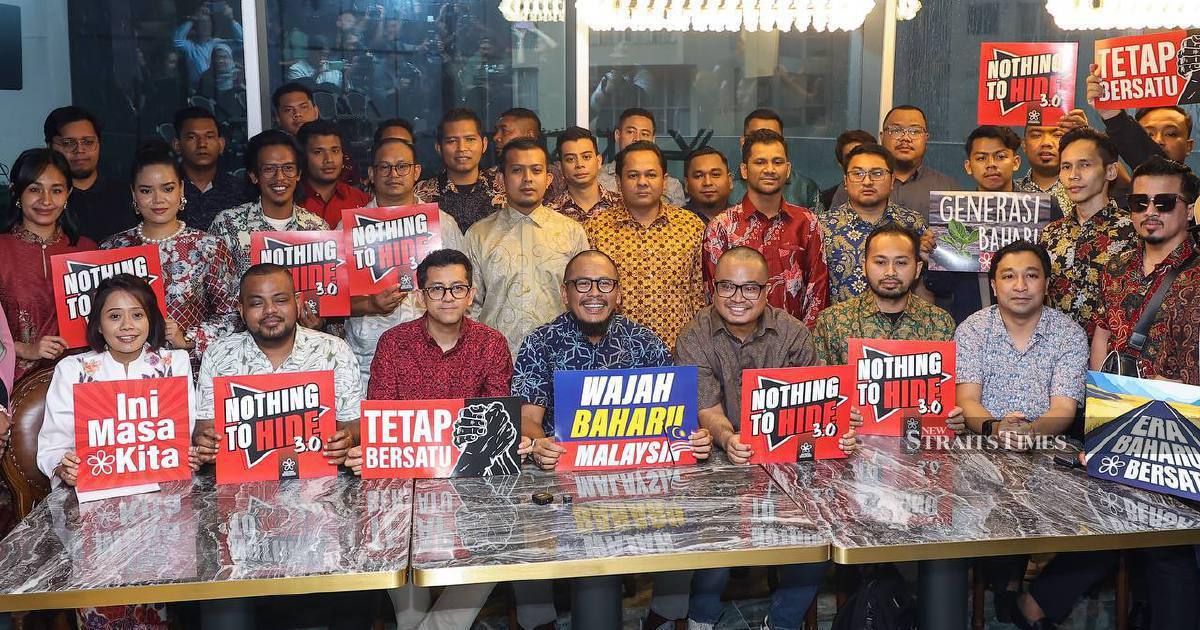
Kota Siputeh assemblyman Mohd Ashraf Mustaqim Abdul Munir has offered an optimistic assessment regarding the possibility of restoring the relationship between Bersatu and PAS, two key components of the Perikatan Nasional coalition that have been locked in escalating disputes. Drawing on a domestic metaphor to explain the nature of political partnerships, the Bersatu representative suggested that the recent volatility between the parties should be understood as temporary conflict rather than a fundamental rupture, much like tensions that arise within a household even as members continue to coexist.
The remarks from Ashraf come at a particularly delicate moment for the PN alliance, which has served as a crucial political formation in Malaysian politics over the past several years. The coalition has experienced growing friction, with both partners engaging in public criticism and strategic maneuvering that has raised questions about the durability of their arrangement. Such divisions within ruling coalitions carry significant implications for parliamentary stability and policy implementation, particularly given that Malaysia's complex political landscape often depends on the cohesion of bloc arrangements to maintain governing majorities.
The comparison Ashraf drew between fractious political partners and a married couple experiencing domestic discord carries particular resonance in the Malaysian context, where coalition politics frequently requires parties with divergent ideological positions and electoral interests to maintain working relationships. Both Bersatu and PAS have distinct constituencies and policy priorities, yet their alignment within the broader PN framework has been presented as essential for counterbalancing the influence of other major coalitions in parliament. This tension between unity and autonomy within political partnerships remains a persistent feature of Malaysian governance.
Bersatu's willingness to frame the current difficulties in reconciliatory terms suggests a strategic calculation that preserving the PN alliance serves the party's long-term interests better than pursuing alternative alignments. The party, under the leadership of Muhyiddin Yassin, has positioned itself as a moderate Malay-Muslim voice within Malaysian politics, and its partnership with PAS has provided it with access to significant grassroots networks, particularly in rural constituencies. A breakdown of this alliance could substantially diminish Bersatu's influence and electoral prospects in crucial states.
PAS, meanwhile, has emerged as one of Malaysia's most electorally formidable parties, particularly following strong performances in recent state elections. The Islamist party's growing confidence in its own political standing may be contributing to heightened assertiveness within the coalition, leading to the tensions that have prompted Ashraf's conciliatory remarks. Understanding these dynamics requires recognising that both parties operate from positions shaped by their recent electoral trajectories and evolving calculations about optimal coalition arrangements.
The specific grievances that have strained PN relations remain multifaceted, touching on issues of ministerial representation, policy direction, and the allocation of electoral seats in upcoming contests. Such practical disputes, while technically resolvable through negotiation, often become entangled with deeper questions about which party holds de facto primacy within the alliance. The metaphor of marital discord employed by Ashraf glosses over these substantive tensions, implicitly suggesting they are manageable through goodwill and dialogue rather than requiring structural adjustments to how the coalition functions.
For Malaysian voters and observers, the stability of the PN arrangement carries broader significance beyond the immediate interests of its constituent parties. Political uncertainty at the coalition level can create governance challenges, complicate policy implementation, and in certain scenarios potentially trigger parliamentary instability. The willingness of party leaders like Ashraf to publicly emphasise the possibility of reconciliation may serve to reassure both coalition partners and external observers that the arrangement retains viability, even if current tensions are genuine and substantial.
The coming weeks and months will likely prove crucial in determining whether Ashraf's optimism translates into concrete efforts at bridge-building. Both parties face competing pressures from their own grassroots supporters and from other political actors seeking to exploit any widening rifts within PN. The strength of these external pressures, combined with the internal dynamics of both Bersatu and PAS, will ultimately determine whether the relationship can indeed be rehabilitated or whether the tensions prove too deep for reconciliation within the existing partnership framework.
Malaysia's political landscape remains in flux, with coalition configurations potentially shifting in response to electoral outcomes, leadership changes, and the strategic calculations of various parties. The current PN partnership, for all its tensions, represents a significant political force that continues to shape parliamentary dynamics and policy outcomes. How successfully leaders navigate these internal disputes will have ramifications extending far beyond the two parties involved, affecting the broader distribution of political power across the country.

