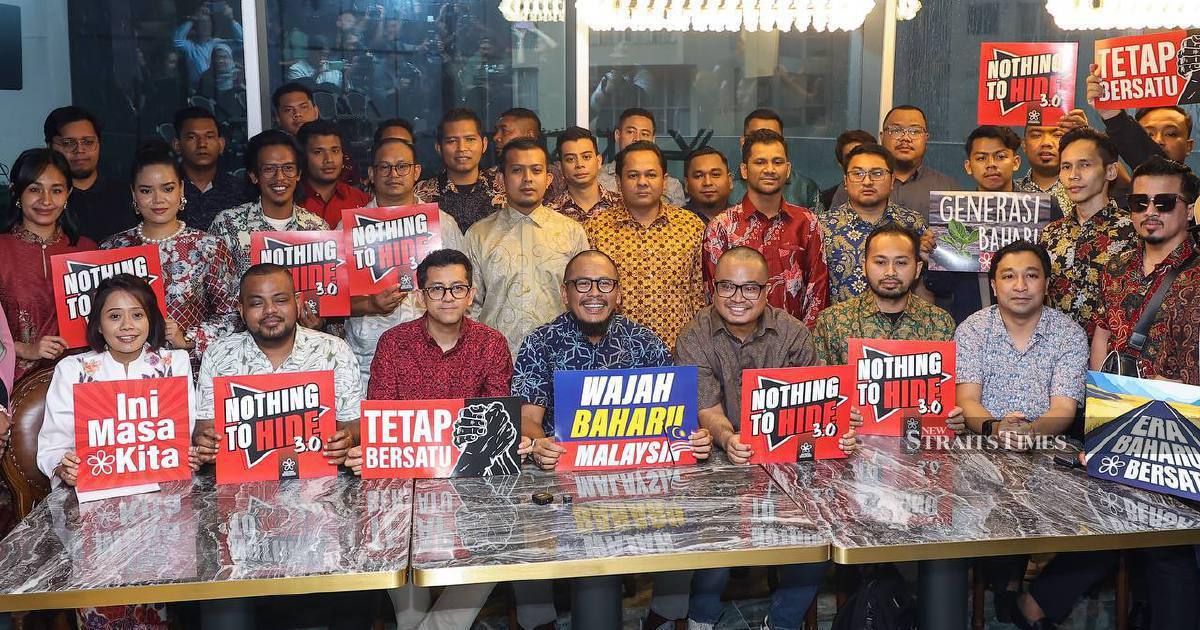
Bersatu's Kota Siputeh assemblyman Mohd Ashraf Mustaqim Abdul Munir has voiced confidence that the coalition partnership between his party and PAS can be restored to stability, characterising the recent friction within Perikatan Nasional's leadership structure using an intimate household metaphor.
The tensions that have surfaced between the two PN allies represent a temporary strain rather than an irreparable breakdown, according to the seasoned politician. His remarks come as both parties seek to project unity ahead of critical political decisions that will shape the trajectory of Malaysia's ruling coalition heading into the next electoral cycle.
Bersatu and PAS, the two primary anchors of Perikatan Nasional, have experienced visible disagreements on policy direction and resource allocation within the larger coalition framework. These disputes have played out publicly, drawing scrutiny from political observers monitoring the stability of the federal government. The friction underscores the inherent challenges of maintaining cohesion within a multi-party alliance that must reconcile competing ideological visions and grassroots expectations.
Mohd Ashraf's comparison to a married couple engaged in ongoing domestic disputes suggests that underlying bonds of alliance remain intact despite the surface-level bickering. This framing implies that both parties recognise the mutual benefits of their partnership and lack incentive to dissolve their arrangement, despite occasional clashes over tactics and resource distribution. The analogy also hints at the normalcy of disagreement within political coalitions, positioning recent tension as temporary friction rather than structural incompatibility.
The Perikatan Nasional coalition has become the dominant force in Malaysian politics following the 2022 general election, with PAS capturing unprecedented parliamentary seats and Bersatu providing the prime minister through Muhyiddin Yassin's appointment. This concentration of power has elevated both parties' profiles while simultaneously intensifying internal competition for influence and resources. Any sustained deterioration in their relationship could destabilise the coalition and create openings for rival political forces.
For Malaysian observers, the health of the PN partnership carries broader implications beyond internal party politics. The coalition's stability directly affects legislative outcomes, policy implementation capacity, and the government's ability to address pressing national concerns from economic management to education reform. Repeated public displays of discord erode public confidence in governance, even if underlying mechanics continue functioning.
Bersatu's optimism regarding relationship repair reflects calculated political messaging aimed at reassuring coalition partners, parliamentary colleagues, and the electorate that temporary disagreements will not compromise the government's effectiveness. By invoking domestic imagery rather than adopting confrontational rhetoric, party leaders signal their preference for private negotiation over public escalation. This approach preserves both parties' dignity whilst acknowledging that differences require resolution.
The specific grievances between PAS and Bersatu remain multifaceted, touching on questions of resource allocation within coalition governance, policy priorities, and representation in key government portfolios. These disagreements are partly ideological, with PAS traditionally emphasising religious governance principles whilst Bersatu maintains a more multiethnic, secular-leaning orientation despite its Malay-Muslim base. Navigating these differences requires ongoing dialogue and compromise.
Political cycles in Malaysia have demonstrated that coalition tensions, whilst damaging to public perception, often resolve through behind-the-scenes negotiations and mutual interest calculations. Both PAS and Bersatu benefit from PN's electoral dominance and government control. Dissolution of their partnership would threaten both parties' influence and potentially trigger complex realignments affecting parliamentary mathematics and government stability.
The timing of Mohd Ashraf's remarks carries significance, arriving as Perikatan Nasional confronts various policy challenges and preparation for future electoral contests. Coalition partners require periodic reassurance that internal differences will not derail collaborative governance. Public declarations of optimism serve psychological functions within party structures, encouraging rank-and-file members to maintain unity messaging in constituencies and community forums.
Looking forward, sustained partnership between PAS and Bersatu likely depends on establishing clearer frameworks for resolving disputes internally before they escalate into public controversies. Regular leadership consultations, formal mechanisms for resource-sharing disputes, and clarity regarding policy authority could reduce friction. These institutional adjustments would formalise the partnership beyond personal relationships between individual leaders, creating greater resilience to succession changes or personality clashes.
The Perikatan Nasional coalition's continuation remains significant for Malaysian politics given its control of federal governance and substantial parliamentary representation. Bersatu's efforts to project confidence in relationship stability with PAS reflect recognition that coalition durability serves all members' interests. Whether recent tensions represent merely temporary marital discord or deeper structural incompatibilities will only become apparent through subsequent months of coalition performance and political developments.

