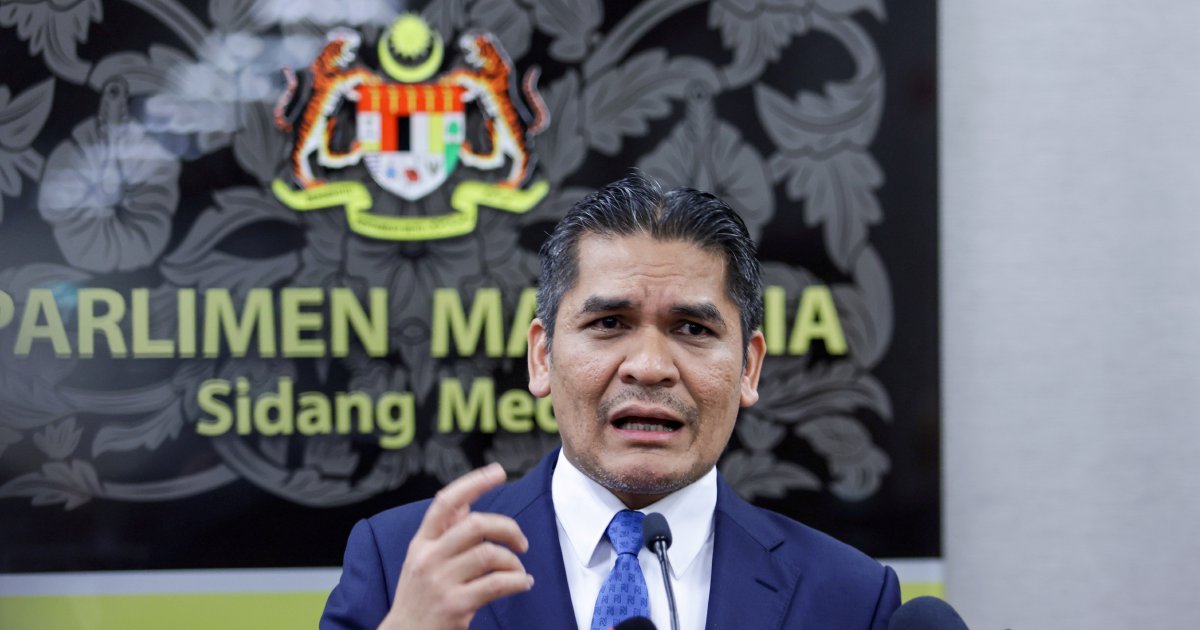
Bersatu's parliamentary contingent has confirmed it will remain in the Dewan Rakyat for the special sitting examining the Royal Commission of Inquiry findings on Lembaga Tabung Haji, party coordinator Datuk Dr Radzi Jidin announced. The decision signals the coalition partner's commitment to participate in the legislative process despite potential disagreements that might have prompted an absence.
The RCI report represents a significant investigation into the operations and management of Tabung Haji, Malaysia's largest Islamic financial institution and pilgrimage savings provider that serves millions of Muslim citizens nationwide. The parliamentary sitting has been specifically convened to allow lawmakers to debate and scrutinise the commission's findings, making it a momentous occasion within the legislative calendar. Such formal inquiries into major financial institutions are rare occurrences in Malaysia's parliamentary history, underscoring the gravity of concerns that prompted the investigation.
Bersatu's commitment to remain present carries broader implications for parliamentary stability and the government coalition's unity. The party's decision to avoid a walkout demonstrates a willingness to engage constructively with debate on institutional accountability, even when findings may implicate figures or decisions that previous governments implemented. This approach contrasts with occasional parliamentary absences that some coalitions have employed as protest mechanisms in the past.
Tabung Haji has been central to Malaysian Islamic financial architecture for decades, accumulating assets that position it as a crucial institution for millions of Muslim Malaysians planning their Hajj pilgrimage while building retirement savings. The RCI's investigation likely examined governance structures, fund management practices, investment decisions, and fiduciary responsibilities. Such scrutiny reflects growing public expectations that even established religious and financial institutions remain transparent and accountable to parliamentary oversight and public interest standards.
The special sitting provides an opportunity for lawmakers across the political spectrum to voice concerns, pose questions, and seek clarifications regarding the RCI's specific findings. Bersatu's participation ensures that the party can contribute substantively to this dialogue rather than attempting to delegitimise the process through absence. Parliamentary sittings on institutional investigations function most effectively when all major political parties engage seriously with evidence and recommendations, lending credibility to whatever reforms or actions subsequently emerge.
For Malaysian citizens and especially the millions of Tabung Haji account holders, the RCI report and parliamentary debate carry immediate relevance to their financial security and savings. Any findings regarding mismanagement or governance weaknesses could prompt remedial actions, regulatory strengthening, or institutional restructuring. Public confidence in Tabung Haji depends partly on transparent legislative engagement with investigation findings and demonstrable commitment to addressing identified deficiencies.
Bersatu's confirmation also reflects understanding that parliamentary boycotts, while occasionally employed as protest tactics, typically prove counterproductive when major legislative business occurs. Absence would have allowed other parties to shape the narrative around RCI findings without substantive opposition or questioning, potentially limiting the breadth of parliamentary scrutiny. By remaining present, Bersatu preserves its ability to influence discussions and ensure that any parliamentary action incorporates its perspectives and concerns.
The special sitting represents an intersection of religious institutional governance and secular parliamentary accountability. Many Malaysian Muslims view Tabung Haji with significance beyond mere financial functions, making the RCI report and subsequent parliamentary debate matters of community interest. Bersatu's decision to participate acknowledges this broader societal dimension while reinforcing that institutional accountability transcends party political considerations.
Parliamentary sittings on RCI reports typically consume several hours as members debate findings, question the commission's methodology and conclusions, and propose responses. Bersatu's commitment to remain throughout suggests the party intends substantive engagement rather than token attendance. This approach may allow the coalition government to present a unified stance on addressing whatever governance or management issues the RCI identified within Tabung Haji.
Moving forward, parliamentary action may depend on the extent of cross-party consensus around RCI recommendations. Bersatu's participation in today's sitting positions the party to influence any subsequent legislative or executive responses. Whether the sitting produces swift institutional reforms or merely establishes frameworks for future action will likely depend on the severity of issues the RCI uncovered and the degree to which parties perceive reform as urgent or politically necessary.
The broader context reveals increasing emphasis on institutional accountability across Malaysian public life. RCI investigations, once less common, have become more prominent mechanisms for examining significant governance questions within both secular and religious institutions. Today's parliamentary sitting exemplifies this shifting approach to institutional oversight, with Bersatu's presence affirming commitment to this evolving governance standard.

