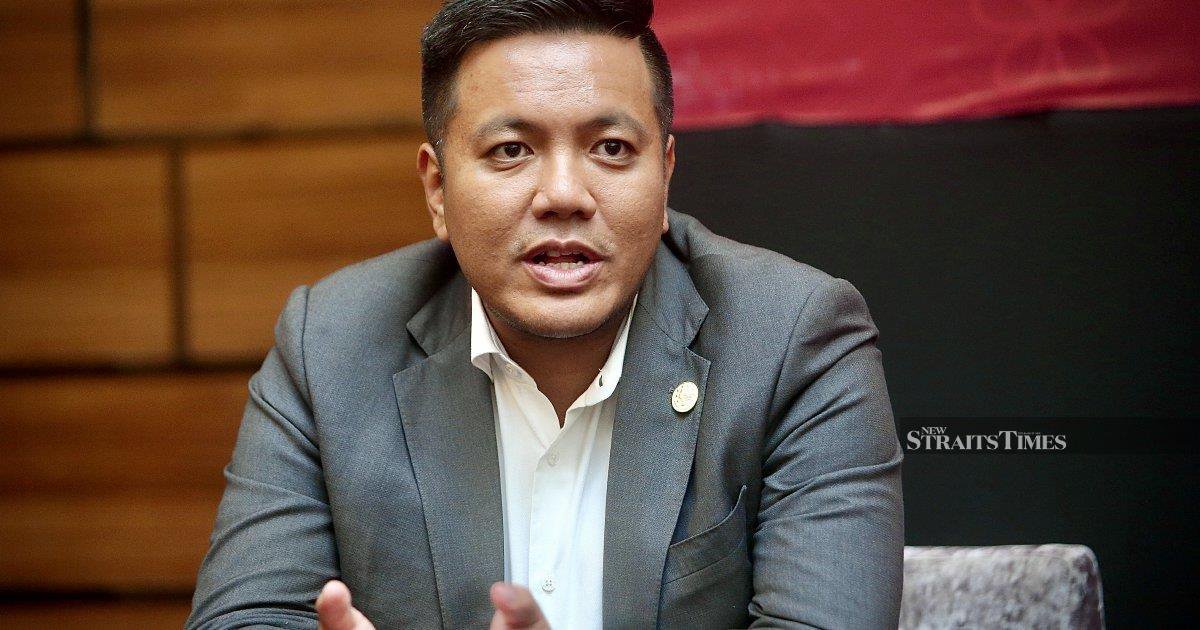
Bersatu has intensified pressure on former Tabung Haji chairman Datuk Seri Abdul Azeez Abdul Rahim by demanding that he disclose whether the Malaysian Anti-Corruption Commission has approached him in connection with findings from the Royal Commission of Inquiry into the troubled pilgrim fund. The political party's move signals growing interest among opposition lawmakers in the governance controversies surrounding Tabung Haji, which has faced mounting scrutiny over financial management and institutional failings in recent years.
The demand reflects broader political scrutiny of Tabung Haji's operations and raises questions about the extent of any investigative action being pursued by anti-corruption authorities. Tabung Haji, the sovereign wealth fund that manages hajj savings for Malaysian Muslims, has emerged as a focal point of institutional reform discussions following revelations of substantial financial losses and administrative shortcomings. The Royal Commission findings, which examined the fund's management and governance structures, apparently contained sufficiently serious recommendations or conclusions to warrant potential anti-corruption follow-up.
Bersatu's intervention comes at a time when Malaysian governance institutions face heightened public and political scrutiny. The party's insistence that Datuk Seri Abdul Azeez provide clarity suggests that Bersatu is positioning itself as vigilant regarding accountability standards in state-linked organisations. By publicly calling for disclosure, the party is essentially attempting to establish whether formal investigations have commenced, potentially raising awareness among the broader political and public spheres about the seriousness of any findings.
For Malaysian readers, the development underscores the interconnected nature of institutional oversight in the country. When Royal Commissions conduct inquiries into major organisations, their recommendations often trigger follow-up action from enforcement agencies. However, the apparent lack of public clarity about MACC's involvement—sufficient to prompt Bersatu's intervention—suggests a gap in transparency that political actors are now attempting to address. This pattern of demanding clarification often precedes more formal questioning or investigation.
The Tabung Haji situation carries particular significance given the organisation's role as custodian of Islamic endowments and hajj management for Muslim Malaysians. Governance failures at such institutions generate not only financial concerns but also questions about fiduciary responsibility to millions of account holders. The Royal Commission's examination presumably identified specific areas of management failure or misconduct that warranted detailed investigation, making clarity about enforcement agency responses essential.
Bersatu's move also reflects the evolving political landscape where opposition parties maintain institutional visibility even outside formal government structures. By demanding public clarification from Datuk Seri Abdul Azeez, Bersatu demonstrates that legislative scrutiny of executive institutions continues regardless of which coalition holds power. This represents a conventional mechanism through which accountability functions in Malaysia's parliamentary system, though the effectiveness depends partly on whether targeted individuals comply with transparency requests.
The situation illustrates how governance reform often emerges through multiple channels simultaneously. While the Royal Commission completed its institutional examination, follow-up action by authorities like MACC determines whether findings translate into concrete accountability measures. When such actions remain opaque or are not immediately visible, political pressure from elected representatives can serve as a mechanism to illuminate the enforcement process and ensure that serious findings do not disappear without consequence.
For stakeholders in Tabung Haji—principally the millions of Malaysians with savings in the institution—clarification about any MACC involvement would provide reassurance that institutional reform is being pursued at the enforcement level. The fund's management directly affects the hajj aspirations and financial security of its account holders, making transparency about governance remedies particularly important to this constituency. Bersatu's intervention effectively channels public interest in such accountability to institutional leadership.
The timing of Bersatu's demand also reflects broader patterns in Malaysian politics where controversial institutional matters become subject to public political discourse. As elections approach or parliamentary sessions focus on governance questions, parties frequently leverage institutional scrutiny as a means of demonstrating competence in oversight functions. Whether Datuk Seri Abdul Azeez responds to Bersatu's call for clarification may depend partly on whether responding would implicate him further or offer an opportunity to address allegations preemptively.
Looking forward, this demand may accelerate movement on the Tabung Haji matter within anti-corruption channels, or conversely, it may signal that such movement has already commenced but remained unreported. The MACC's approach to Royal Commission findings typically varies depending on the severity of implied wrongdoing and the institutional priorities of the enforcement agency at any given moment. Bersatu's public intervention essentially raises the political cost of inaction for relevant authorities.
The broader governance implications extend beyond Tabung Haji specifically. The case demonstrates how institutional accountability mechanisms in Malaysia function through interconnected channels—royal commissions investigating, enforcement agencies following up, and political actors demanding transparency. Each component's effectiveness depends on the others functioning adequately. When gaps emerge in public clarity about enforcement action, opposition political pressure can serve as a mechanism to maintain institutional momentum and public awareness.

