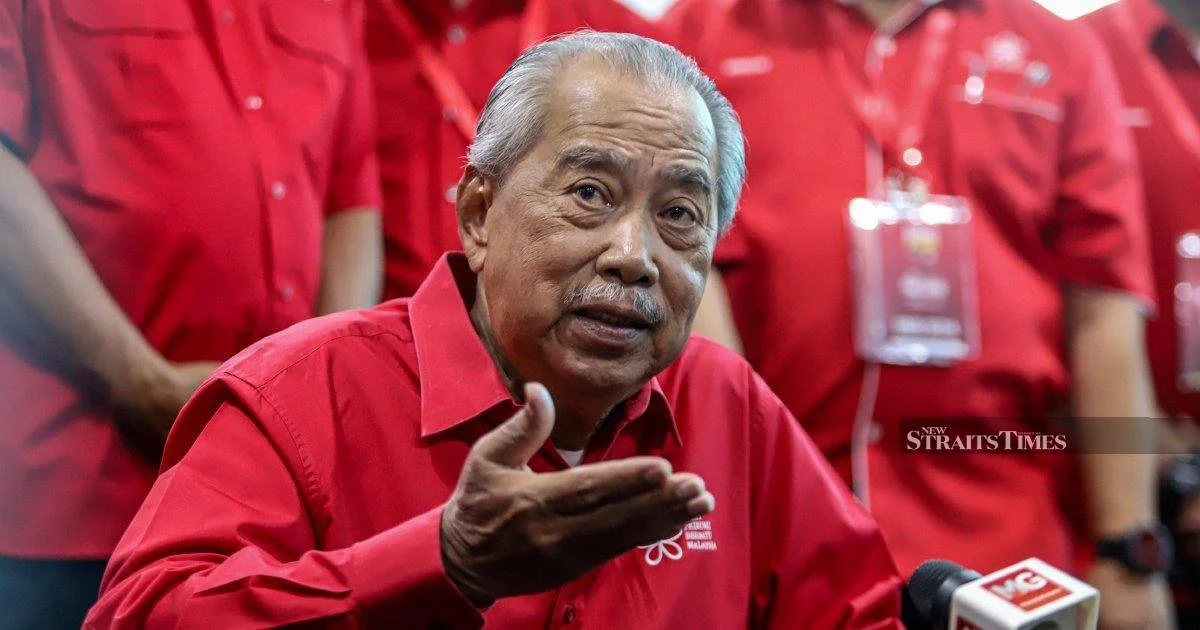
Bersatu has publicly objected to PAS proceeding with direct political negotiations involving Barisan Nasional while excluding consultation with its coalition allies within the Perikatan Nasional framework, marking a fresh point of tension within the opposition alliance structure ahead of the upcoming Negri Sembilan state polls.
The development underscores growing friction between key components of the PN bloc, which has positioned itself as an alternative political force to BN in Malaysian politics. By engaging BN representatives without formal coordination through established coalition channels, PAS appears to be charting its own course on electoral strategy—a move that Bersatu interprets as a breach of coalition discipline and shared decision-making processes.
Negri Sembilan holds particular strategic significance for Malaysian coalition politics. The state election represents a crucial test of electoral strength for competing blocs, and the manner in which parties conduct negotiations during such contests sends powerful signals about internal cohesion and commitment to alliance commitments. The premature bilateral engagement between PAS and BN has therefore triggered concerns that the PN partnership may be fragmenting ahead of what could be a closely contested battle.
Bersatu's formal grievance reflects deeper anxieties about PAS's long-term strategic direction. The party's willingness to hold separate discussions with BN, without prior notification to PN coalition partners, suggests that PAS leadership may be entertaining multiple political options rather than remaining firmly committed to the existing alliance structure. For Bersatu—which has staked considerable political capital on the PN project—such independent maneuvering represents an unwelcome development that could undermine collective negotiating power.
The timing of these discussions is particularly sensitive. Electoral contests require unified messaging and coordinated campaign strategies among alliance members. When one partner initiates talks with rival coalitions outside established protocols, it creates ambiguity about which alliance carries genuine commitment and where party loyalties ultimately lie. This uncertainty inevitably weakens the political positioning of all coalition members during the critical pre-election period.
Historically, PAS has maintained complex relationships with multiple political formations. The party's capacity to work with diverse partners—including BN components in certain contexts—gives it negotiating flexibility that smaller coalition members like Bersatu cannot independently replicate. However, this flexibility becomes problematic when exercised unilaterally and without transparent communication to alliance partners who may be directly affected by resulting agreements.
The Negri Sembilan election provides a concrete arena where PN's internal discipline will face immediate testing. If PAS negotiates separate electoral arrangements with BN while claiming PN solidarity, voters will encounter contradictory signals about which coalition genuinely represents the state's future direction. This confusion typically benefits the incumbent BN formation, which can exploit opposition disunity for electoral advantage.
Bersatu's public criticism serves multiple purposes beyond registering immediate displeasure. The statement signals to other PN members that coalition discipline violations will not pass unremarked, thereby establishing expectations for future conduct. It also positions Bersatu as the guardian of alliance integrity—a role that could enhance its standing among coalition partners concerned about PAS's reliability.
The episode illuminates persistent challenges facing opposition alliances in Malaysia. Unlike BN, which operates through established hierarchical structures with clear command authority, PN comprises relatively autonomous parties that must continuously negotiate coordination mechanisms. When component parties operate outside these frameworks, the entire coalition's effectiveness diminishes.
For Malaysian observers and political analysts, Bersatu's complaint demonstrates that the PN experiment remains fragile. Despite shared commitment to opposing BN dominance, coalition members have not yet developed sufficient institutional maturity to prevent individual parties from pursuing separate political negotiations. Until such coordination mechanisms become genuinely binding and respected, PN's collective political power will remain compromised by internal suspicion and strategic uncertainty.
The Negri Sembilan situation will likely determine whether PN members can effectively resolve such tensions before the election campaign intensifies. Should the parties reach accommodation and present a unified front, the experience could strengthen coalition architecture for future contests. Conversely, continued parallel negotiations and public criticism would validate persistent doubts about whether PN truly represents a cohesive political alternative capable of competing effectively against BN's more established organizational structures and experience.

