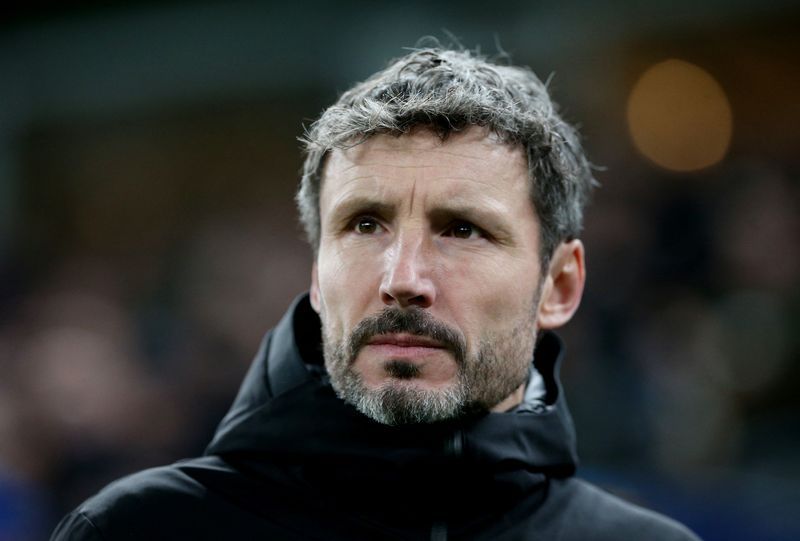
Mark van Bommel, Belgium's fresh managerial appointment, has categorically dismissed any suggestion that he entertained waiting for a potential vacancy with the Dutch national team. Speaking at his inaugural press conference following his late July appointment, the 49-year-old made clear that the opportunity to lead Belgium proved instantly compelling, requiring no deliberation on his part. The Netherlands remains without permanent coaching leadership following their World Cup campaign, creating a theoretical alternative path that the former international defender explicitly rejected.
Van Bommel's decisive stance reflects his conviction that directing a national football programme ranks among sport's most prestigious roles. During his first media engagement in Brussels, he articulated a philosophy that transcends club football, emphasising the uniqueness of managing a country's elite talent pool. The scope of such positions, he suggested, remains limited globally—only a select number of nations qualify as genuine powerhouses capable of competing at the highest international level. His appointment came after the Belgian federation declined to renew Rudi Garcia's contract following the team's quarter-final exit from the recent World Cup tournament.
The former defender, whose playing credentials span elite European institutions including Barcelona, Bayern Munich, and AC Milan, brings extensive experience of high-level competition. His career culminated in representing the Netherlands at the 2010 World Cup final, providing him intimate familiarity with international football's demands and pressures. This background informs his perspective on the coaching opportunity now before him, anchoring his enthusiasm in concrete understanding rather than abstract aspiration. Van Bommel's rapid appointment suggests the Belgian federation recognised the value of securing a high-profile manager with championship pedigree.
When addressing his ambitions for Belgium, Van Bommel adopted a measured tone that contrasts sharply with the boastful declarations common in Dutch football culture. He acknowledged that while victory motivates every competitor, the path to continental success involves numerous uncontrollable variables. Rather than echoing the Netherlands' traditional refrain of automatically proclaiming world championship intentions, the new Belgian boss prefers focusing on incremental progress through successive competitions. This pragmatic framing suggests a coach determined to avoid the overconfidence that has occasionally hindered Dutch aspirations.
Belgium's immediate competitive calendar begins with UEFA Nations League matches rather than qualifying campaigns for major tournaments. Van Bommel's managerial debut will occur in Rome on September 25 against Italy, positioning the new coach in a challenging opening fixture. The September-October international window encompasses additional contests against Turkey and France, providing early diagnostic opportunities as Van Bommel assesses his squad's capabilities and cohesion. These matches will establish early patterns whilst the team transitions to new leadership philosophies and tactical approaches.
The question of goalkeeper Thibaut Courtois dominated portions of the press conference, reflecting genuine uncertainty surrounding the goalkeeper's future international availability. Courtois indicated following the World Cup that he intended stepping back from national team responsibilities, citing fatigue accumulated through demanding seasons at club level. Van Bommel's nuanced response suggested patience rather than immediate pressure, indicating his intention to allow space for reconsideration before engaging substantive discussions. This approach demonstrates diplomatic coaching, acknowledging Courtois's stated position whilst implicitly suggesting circumstances might evolve.
Van Bommel's strategy regarding Courtois involves respecting the goalkeeper's immediate wishes whilst positioning future conversations on firmer ground. Once Courtois resumes comprehensive training regimens at his club, Van Bommel intends direct engagement to explore whether perspectives have shifted. This timeline-dependent approach recognises that distance from post-World Cup emotional fatigue and the psychological refreshment of pre-season training might naturally alter Courtois's mindset. Rather than pursuing confrontation during vulnerability, the coach opts for strategic patience that respects personal agency whilst maintaining pathway for future contribution.
The appointment of Van Bommel concludes a transitional period for Belgian football following Garcia's departure. The federation's swift action in securing an established managerial figure suggests institutional confidence despite the team's World Cup disappointment. Belgium's status as a football nation with genuine continental ambitions demands continuous competitive performance, and the recruitment of a respected coach with experience managing elite talent pools represents appropriate institutional response. The decision signals commitment to sustained competitiveness rather than accepting diminished status.
Van Bommel's previous experience encompassing multiple elite European clubs positions him well for navigating the complex dynamics of international management. Unlike some coaches whose credentials derive primarily from single-nation success, his career trajectory across competitive league systems in Spain, Germany, and Italy provides diverse tactical and cultural exposure. This international perspective could prove particularly valuable in integrating players accustomed to different football philosophies across various European leagues, a prerequisite for cohesive national team performance at championship level.
For Southeast Asian observers, Van Bommel's appointment underscores ongoing European football's competitive intensity and meritocratic appointment processes. The rapid resolution of Belgium's coaching vacancy contrasts with extended vacancies affecting some national programmes, demonstrating how elite football markets operate. Van Bommel's refusal to await potential Dutch opportunities exemplifies professional opportunism—recognising immediate advantage rather than speculating on theoretical alternatives. This pragmatism characterises successful coaching in contemporary football, where decisive action and rapid adaptation determine competitive outcomes across international football's highest echelons.

