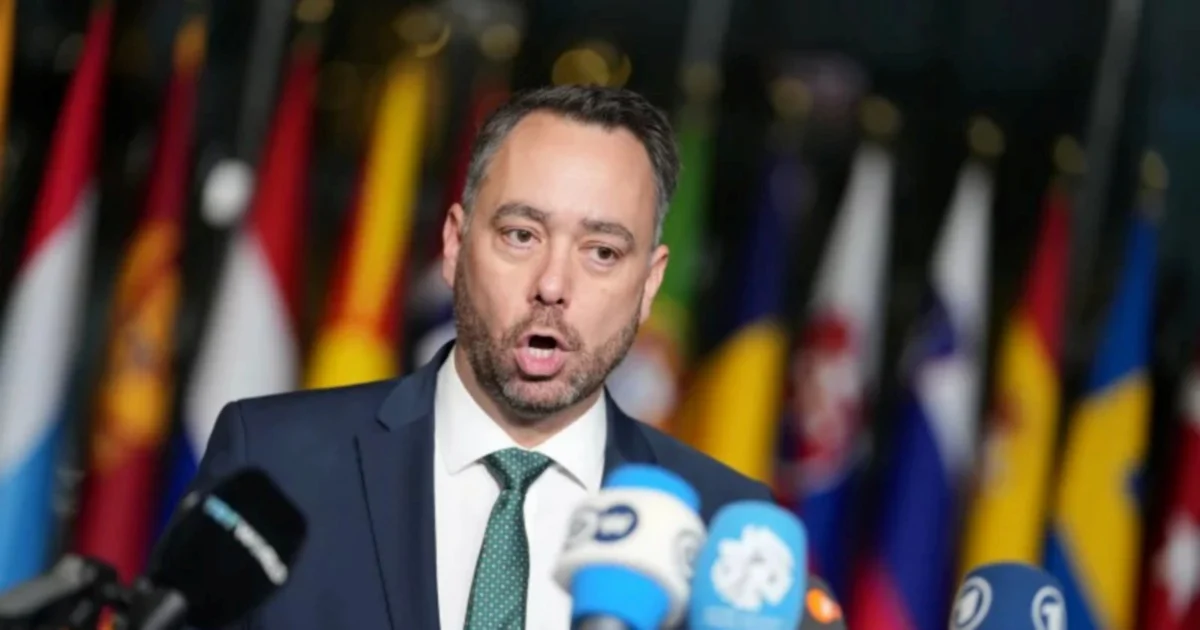
Belgium's Deputy Prime Minister and Foreign Minister Maxime Prevot is arriving in Malaysia tomorrow for a two-day working visit centred on advancing bilateral cooperation in critical sectors including renewable energy, rare earth materials, and the halal trade—three areas where the Southeast Asian nation and the European country can develop mutually beneficial partnerships.
Prevot's mission underscores a broader European pivot toward strengthening relationships with ASEAN economies at a time when energy security and supply chain resilience have become paramount concerns across the continent. Belgium, a densely populated nation dependent on imported energy and raw materials, has compelling strategic reasons to diversify its global partnerships beyond traditional European and transatlantic sources. Malaysia, meanwhile, possesses significant advantages in both the renewable sector and rare earth processing, making it an attractive partner for countries seeking to reduce reliance on geopolitically volatile suppliers.
The renewable energy dimension of these discussions holds particular significance for Malaysian policymakers. Malaysia has set ambitious targets for renewable energy capacity expansion over the coming decade, with solar photovoltaic and wind energy representing primary growth vectors. Belgian expertise in grid modernisation, energy storage systems, and integrated renewable infrastructure could complement Malaysia's own development ambitions. Additionally, as the European Union tightens its carbon accounting standards and import regulations, Malaysian companies involved in renewable energy manufacturing and installation stand to benefit from alignment with European technological standards and best practices.
Rare earth elements represent another critical focus area. These materials—essential for everything from wind turbine generators to electric vehicle motors to defence electronics—have become the subject of intense geopolitical competition. Malaysia holds upstream and midstream capabilities in rare earth processing, though the sector has contracted in recent years due to environmental concerns and global supply dynamics. A deepening partnership with Belgium, a gateway to European markets and industrial consumers, could help Malaysia rebuild and modernise its rare earth sector while addressing international environmental and labour standards that Western buyers increasingly demand.
The halal industry component reflects Malaysia's established position as a global halal certification and product hub. Beyond consumer goods, the halal framework now encompasses pharmaceuticals, cosmetics, financial services, and tourism—sectors with substantial growth potential in Europe. Belgium, with its significant Muslim population and position within the European Union's regulatory framework, represents both a market opportunity and a platform for Malaysian halal products and services to reach broader European audiences. European regulatory harmonisation around halal standards could also create certification and trade facilitation benefits for Malaysian producers seeking continental access.
These talks occur against the backdrop of Malaysia's broader strategy to position itself as a technology and innovation partner to developed economies while maintaining its role as a key Southeast Asian hub for manufacturing and trade. Prevot's visit suggests European capitals are taking this positioning seriously and view Malaysia as a stable, strategically important counterpart for long-term industrial and commercial engagement. The visit may also signal Belgium's interest in ensuring Malaysian support or neutrality on European priorities within ASEAN forums and international organisations.
From a Malaysian perspective, the engagement offers opportunities to attract European capital, technology transfer, and expertise into sectors that remain underdeveloped domestically. Renewable energy investment from European pension funds and development finance institutions could accelerate Malaysia's energy transition while creating local jobs and industrial capacity. Similarly, partnerships in rare earth processing could position Malaysia as a trusted supplier to European manufacturers constrained by sanctions on rival suppliers or supply-chain vulnerabilities.
The timing of Prevot's visit also reflects the European Union's growing emphasis on so-called strategic autonomy—reducing dependency on external actors in critical domains including energy, raw materials, and supply chains. Malaysia, as a middle-income country with democratic institutions, strong rule of law in commercial matters, and geographical position outside zones of active conflict, fits the profile of a reliable partner for European strategic diversification. This shift creates a favourable context for Malaysian policymakers to negotiate technology partnerships and investment arrangements that yield genuine development benefits rather than extractive arrangements.
Beyond the three headline sectors, the Deputy Prime Minister's discussions with Malaysian counterparts will likely touch on bilateral trade dynamics, regional security, and Malaysia's evolving role in European strategic thinking about Indo-Pacific engagement. Belgium chairs rotating presidency responsibilities within European frameworks, lending additional weight to bilateral discussions and potentially signalling that Malaysia will receive elevated attention within European government circles over coming months.
The visit demonstrates how traditional bilateral diplomacy remains a vital instrument for advancing specific sectoral partnerships, particularly where developing countries possess competitive advantages in emerging industries. For Malaysia, translating high-level political interest into concrete investment, technology transfer, and market access agreements will require sustained diplomatic effort and the development of coherent domestic frameworks that lower transaction costs for foreign investors seeking to establish operations in renewable energy, rare earth processing, and halal-certified industries.

