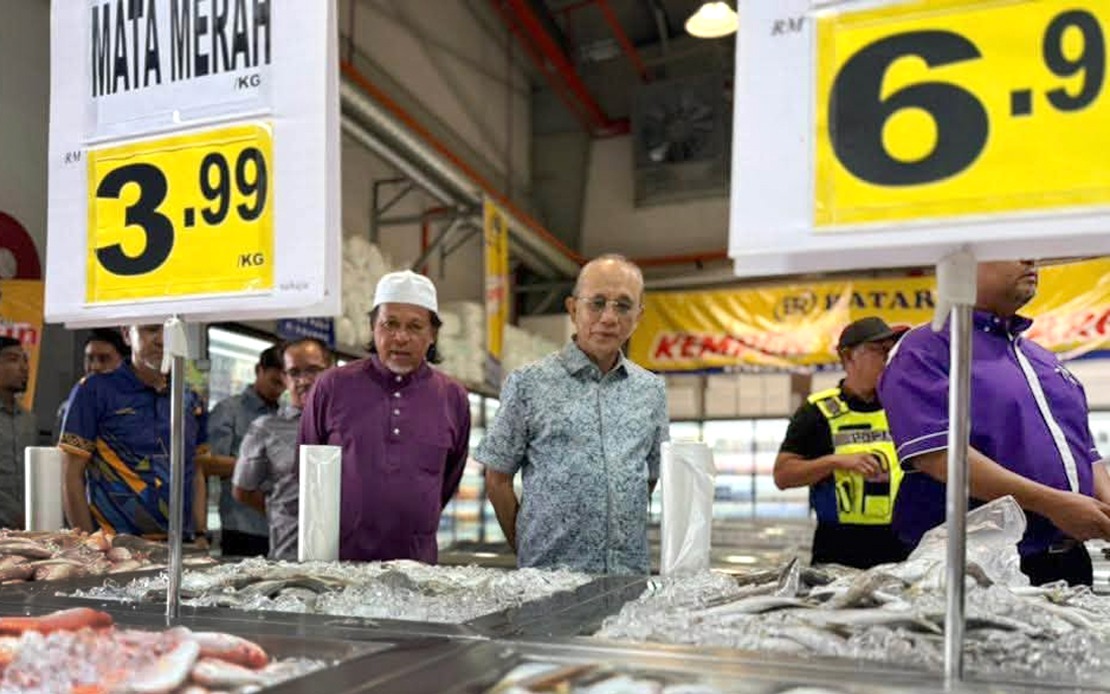
Residents of Sabah now have access to significantly cheaper fresh groceries through a new pricing campaign launched by Bataras Supermarket, which is making 30 categories of fresh produce available at reduced costs ranging from five to 30 per cent below regular prices. The promotion, which extends across all Bataras locations throughout the state, will remain active until the end of October as part of a coordinated strategy to provide relief to households struggling with rising everyday expenses.
The Ministry of Domestic Trade and Cost of Living (KPDN) has positioned this initiative as a demonstration of how private enterprise can contribute meaningfully to national efforts aimed at alleviating cost-of-living pressures. By working alongside government agencies and community organisations, major retailers can directly influence household budgets and improve accessibility to essential food items. This collaborative framework reflects a broader policy direction that recognises the private sector's crucial role in implementing solutions to economic challenges that affect ordinary Malaysians.
The campaign was formally inaugurated at the Papar Bataras Supermarket location by Pantai Manis state assemblyman Datuk Pengiran Saifuddin Pengiran Tahir, underscoring political support for retail sector initiatives that benefit consumers. Government officials have emphasised that such pricing campaigns demonstrate corporate responsibility and contribute to the stability of household finances, particularly for middle and lower-income families who allocate substantial portions of their budgets to fresh food purchases.
Bataras Sdn Bhd, which has operated since 1998, now operates 58 supermarket branches throughout Sabah, establishing itself as a significant regional retail player with considerable reach into communities across the state. The company's decision to implement this three-month promotion reflects both market positioning and commitment to customer retention during a period when consumers face heightened financial pressures. The scale of the rollout across nearly 60 locations demonstrates the substantial logistical coordination required to sustain lower margins across multiple product categories simultaneously.
The significance of this campaign extends beyond simple price reductions. Observers note that food security and affordability remain persistent concerns across Malaysia, particularly in East Malaysian states where geographic factors and supply chain complexities can drive prices higher than in peninsular regions. By offering meaningful discounts on perishable items—which represent non-discretionary household spending—Bataras is addressing a genuine pain point for Sabah residents navigating monthly budget constraints. Fresh produce, in particular, is essential for nutritional adequacy, and price barriers can limit poorer households' access to vegetables and fruits.
The KPDN's public endorsement of this initiative suggests it may serve as a template for wider adoption across the retail sector. Government statements explicitly encouraged other industry players to consider similar campaigns, framing such actions as manifestations of shared responsibility toward national welfare. This approach aligns with Malaysia's broader policy framework, which increasingly emphasises multi-stakeholder collaboration in addressing economic challenges rather than relying solely on government intervention or subsidies.
From a consumer perspective, the timing of the promotion through October 31 provides a window during which households can make strategic purchasing decisions to maximise savings. The 30 per cent maximum discount on certain items represents genuinely meaningful savings, particularly when accumulated across regular shopping habits. For families budgeting carefully month-to-month, such campaigns can free up resources for other essential expenses or allow modest accumulation of financial buffers.
The Malaysian retail landscape has increasingly featured competitive pricing initiatives as major chains vie for market share amid changing consumer behaviours and economic pressures. Bataras' move positions it favourably among Sabah shoppers seeking value, while simultaneously generating positive public relations through alignment with government cost-of-living initiatives. The company's quarter-century of operations and substantial branch network provide it with the scale necessary to absorb reduced margins without compromising operational viability.
Looking forward, the success of this campaign may influence how retailers across Southeast Asia approach pricing strategy during periods of economic uncertainty. In Malaysia specifically, where cost-of-living concerns have featured prominently in public discourse and electoral considerations, private sector initiatives that demonstrably improve consumer purchasing power gain both commercial and political value. The KPDN's enthusiasm for expanding such campaigns suggests government recognition that achieving affordability objectives requires sustained engagement with business stakeholders rather than reliance on temporary measures alone.
For Sabah consumers, the immediate benefit is straightforward: access to lower-priced fresh items for three months represents tangible household budget relief. However, the broader implication involves establishing expectations that major retailers will continue calibrating pricing structures with reference to cost-of-living pressures. As Malaysian households continue navigating inflationary environments and evolving employment landscapes, retail campaigns addressing grocery affordability may become increasingly central to consumer decision-making and household financial planning strategies throughout the region.

