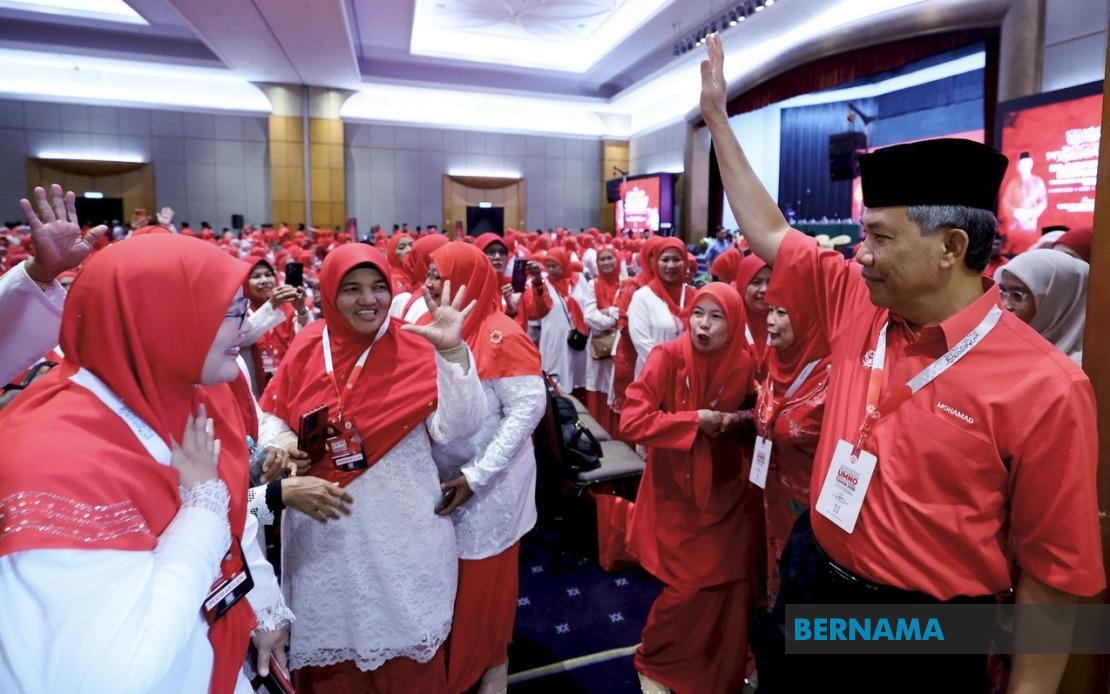
Barisan Nasional is preparing to fundamentally reshape how it contests the Negeri Sembilan state election, abandoning the entrenched system of assigning specific constituencies to particular component parties based on historical precedent. Datuk Seri Mohamad Hasan, BN deputy chairman and Negeri Sembilan BN chairman, disclosed that the coalition intends to conduct a comprehensive reassessment of seat allocations to better reflect current voter demographics and enhance the coalition's overall electoral prospects in the August 1 polls.
The decision to reconsider traditional seat arrangements underscores growing recognition within BN's leadership that voter composition in most constituencies has undergone significant transformation since the last election cycle. Mohamad explained that the rigid model of assigning fixed constituencies—where component parties inherit the same seats in perpetuity—no longer serves the coalition's strategic interests or represents optimal democratic choice for voters. This represents a substantial departure from decades of established practice within the coalition structure.
The rationale behind this shift extends beyond mere administrative restructuring. By permitting flexibility in seat allocation, BN aims to position each component party to contest in constituencies where they possess the strongest organisational capacity and deepest community connections. This approach theoretically maximises BN's competitive advantage by ensuring that each party's resources are deployed where victory prospects are highest, rather than dispersing candidates across constituencies where historical advantage may have eroded. Mohamad articulated this philosophy as fundamentally about offering voters genuine choice rather than predetermined outcomes.
The logistics of implementing this new strategy present considerable challenges within the compressed timeframe. BN division heads across Negeri Sembilan have been instructed to submit multiple candidate options for each contested seat—requiring submission of at least three potential nominees per constituency. This expanded candidate pool provides flexibility in final selections whilst enabling thorough vetting of potential representatives. The deadline for these submissions drives an extraordinarily tight schedule, with candidate announcements planned for July 15, coinciding with the formal launch of BN's election machinery for the state campaign.
The Election Commission's timetable intensifies this urgency. With nominations scheduled for July 18, followed by early voting on July 28, the window for finalising candidate lists and managing potential internal disputes is remarkably narrow. This compressed calendar reflects the reality that state elections in Malaysia permit limited preparation periods once the polling date is publicly announced. For a coalition as complex as BN, with its multiple component parties requiring accommodation and consensus-building across organisational hierarchies, executing such significant structural changes expeditiously presents genuine operational difficulties.
Mohamad acknowledged that any final determination regarding seat distribution and candidate selections remains subject to approval by the BN Supreme Council at the national level. This constitutional safeguard preserves central authority over coalition strategy whilst preventing individual state chapters from unilaterally altering the broader electoral architecture. The Supreme Council's involvement provides opportunity for scrutiny of proposed changes against the coalition's nationwide political calculations, ensuring that Negeri Sembilan's reorganisation aligns with BN's overall positioning ahead of potential future national elections.
Crucial to this recalibration will be data-driven analysis of previous electoral performance and demographic movement within each constituency. BN strategists plan to utilise voting patterns from the previous state election as a diagnostic tool, identifying areas where voter support has strengthened or weakened and correlating these shifts with known demographic changes. This analytical approach reflects a more sophisticated understanding that electoral outcomes correlate strongly with constituent demographics, and that constituencies experiencing rapid urbanisation, migration, or socioeconomic change may require recalibration of campaign strategies and candidate selection.
The danger of internal sabotage looms large in BN's calculations. Mohamad explicitly referenced past experiences where component party members have covertly undermined coalition campaigns, resulting in lost seats that should have been winnable under normal circumstances. Such internal friction often emerges when parties feel disadvantaged by seat allocation arrangements or when competing factions within component parties fail to coalesce behind official candidates. By demonstrating flexibility in seat distribution and genuinely attempting to accommodate all coalition partners' competitive preferences, BN hopes to reduce festering resentments that can manifest as electoral sabotage at the grassroots level.
Mohamad's own political future remains somewhat ambiguous within this reconfiguration. The veteran politician has represented the Rantau state seat since 2004, providing substantial seniority and constituency attachment. However, he indicated his willingness to step aside if party leadership determines that broader coalition interests require his candidacy in a different constituency or his withdrawal from this particular contest. This flexibility from a senior figure potentially signals the cultural shift BN is attempting to cultivate—where coalition interests supersede individual incumbents' claims to specific constituencies.
The Negeri Sembilan state election assumes particular significance within Malaysia's contemporary political landscape. The state has become a bellwether for broader shifts in voter preferences, with recent electoral cycles demonstrating declining BN dominance in traditional strongholds. Any substantial structural innovations in BN's approach in Negeri Sembilan may serve as a template for seat-allocation strategies in other state contests or inform national-level deliberations about the coalition's organisational efficiency. Success in implementing this more flexible, data-driven approach could validate similar reforms elsewhere; conversely, difficulties or suboptimal results might reinforce arguments for preserving more traditional alliance management practices.
The coalition's apparent recognition that demographic change necessitates electoral strategy recalibration reflects pragmatic adaptation to Malaysia's evolving political terrain. Younger voters, urbanised constituencies, and populations experiencing significant socioeconomic mobility may hold different political preferences than their predecessors, and applying historical voting patterns to contemporary electoral contests risks serious miscalculation. BN's willingness to fundamentally revisit seat-allocation assumptions suggests the coalition's leadership understands that maintaining electoral competitiveness in an increasingly complex political environment requires flexibility and data-informed decision-making rather than institutional inertia. Whether this strategic pivot proves sufficient to reverse BN's declining fortunes in Negeri Sembilan will become apparent following the August 1 polling.

