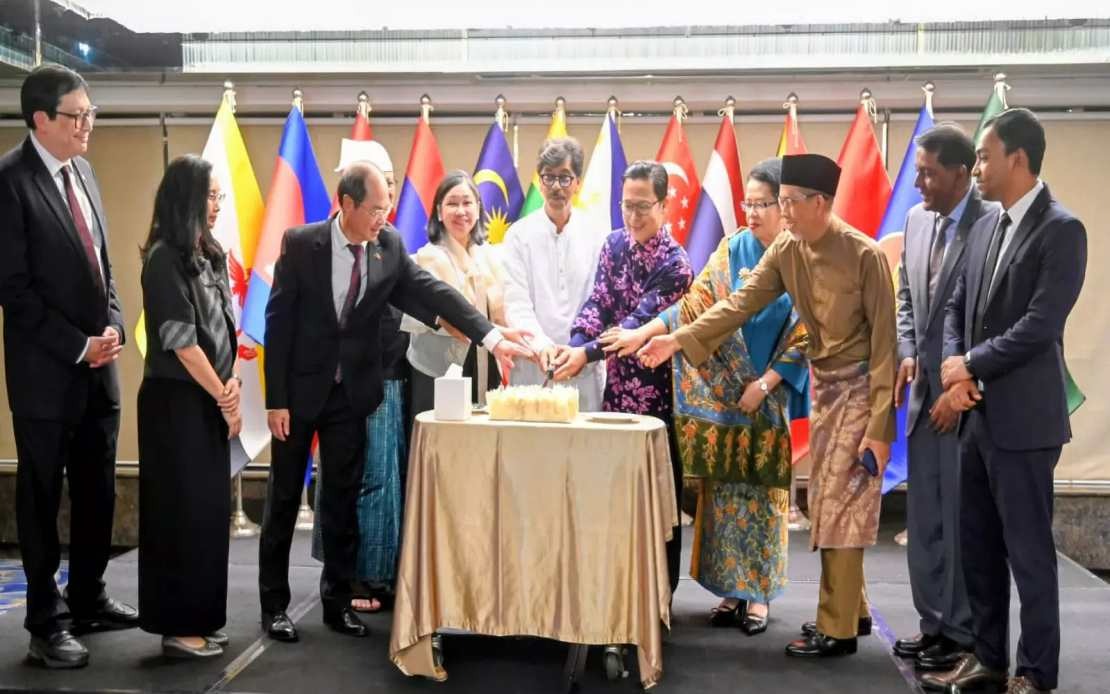
Bangladesh is signalling ambitious plans to deepen its engagement across Southeast Asia, with government officials publicly committing to elevating the nation's partnership with ASEAN to unprecedented levels. Speaking at a reception marking the 59th ASEAN Day in Dhaka, Fisheries, Livestock and Agriculture Minister Mohammed Aminur Rashid articulated the country's vision for a multifaceted relationship spanning historical bonds, cultural affinity, economic cooperation and strategic collaboration with all eleven member states of the regional bloc.
The minister's remarks carry particular weight given the current political context in Bangladesh. He underscored that the government under Prime Minister Tarique Rahman prioritises relations with ASEAN nations, noting that the Prime Minister selected Malaysia for his inaugural official foreign visit—a diplomatic choice that signals the region's centrality to Dhaka's foreign policy architecture. This calculated opening demonstrates Bangladesh's recognition that Southeast Asian connections are essential for national development and regional stability.
At the heart of Bangladesh's strategy lies a formal application to secure Sectoral Dialogue Partner status with ASEAN—a recognition that would institutionalise engagement and provide Bangladesh with a structured platform for cooperation. This initiative represents a strategic pivot toward institutionalised rather than ad-hoc engagement with the bloc. The SDP designation would grant Bangladesh a more formal voice in ASEAN proceedings while signalling the country's commitment to regional norms and frameworks. For Malaysian policymakers and businesses, this development underscores Bangladesh's determination to integrate more deeply into Southeast Asian economic and political architectures.
Beyond the diplomatic framing, Bangladesh is advancing concrete sectoral initiatives that demonstrate substance behind rhetorical commitments. The minister highlighted an ongoing US$1 million Bangladesh-ASEAN Cooperation Project on Fisheries and Aquaculture, representing tangible investment in knowledge-sharing and capacity-building across the region's fishing communities. Given Southeast Asia's prominence in global fisheries and aquaculture production, such initiatives create opportunities for technology transfer, market access and sustainable resource management practices that benefit participating nations.
The fisheries project reflects Bangladesh's understanding of where its comparative advantages lie. The country possesses significant expertise in aquaculture development and sustainable fishing practices, areas where Southeast Asian nations—particularly those with extensive coastal zones and growing aquaculture sectors—stand to benefit from knowledge exchange. This project also positions Bangladesh as a technical partner rather than merely a recipient of regional assistance, elevating its status within ASEAN conversations.
Additional collaborative frameworks are under development across tourism, information and communication technology, and cultural sectors. These pipeline initiatives suggest Bangladesh is pursuing a diversified engagement strategy rather than concentrating efforts in single domains. Tourism cooperation holds particular appeal for Southeast Asian nations seeking to establish regional tourism circuits and share best practices in heritage preservation and sustainable tourism development. Similarly, ICT collaboration addresses the region's broader digital transformation agenda, where shared challenges in cybersecurity, digital infrastructure and workforce development create natural spaces for cooperation.
The minister's appeal to ASEAN envoys present at the reception for active support of Bangladesh's SDP bid reveals the diplomatic legwork accompanying formal applications. The attendance of senior figures including Malaysian High Commissioner Mohammad Shuhada Othman, Philippine Ambassador Neena Padilla Cinglet and other heads of mission provided opportunities for direct advocacy. This reflects the importance Bangladesh attaches to the application, treating the event as both celebration and lobby platform.
Cultural symbolism permeated the reception, with organisers serving traditional Bangladeshi cuisine deliberately chosen to showcase the nation's heritage. Dishes featuring Black Bengal Goat—a globally registered Geographical Indication product—and biryani prepared with indigenous Kalijira rice communicated messages about Bangladesh's agricultural sophistication and culinary traditions to an audience of diplomats and business leaders. Such cultural diplomacy subtly reinforces Bangladesh's narrative of possessing distinctive value within regional frameworks rather than occupying a peripheral position.
For Malaysian readers and Southeast Asian observers, Bangladesh's push for deeper ASEAN integration has practical implications. Strengthened regional cooperation in fisheries, tourism and technology sectors creates commercial opportunities for businesses in partner nations. Malaysian companies in aquaculture, hotel management and IT services potentially gain access to Bangladeshi markets and partners, while Bangladeshi enterprises similarly identify Malaysian expertise and investment channels. The formalisation of Bangladesh-ASEAN ties through SDP status would provide institutional scaffolding making such commercial interactions more predictable and governed by agreed frameworks.
The geopolitical dimensions merit consideration as well. Bangladesh's pursuit of closer ASEAN ties reflects its broader strategic positioning in an increasingly complex regional environment. Deeper integration with Southeast Asia provides counterbalance to other major power relationships while tapping into ASEAN's diplomatic experience managing great power competition. For a nation of Bangladesh's size and influence, ASEAN membership or formal partnership status elevates its diplomatic profile and provides consultation mechanisms on regional concerns spanning maritime security, trade disruption and humanitarian crises.
Prime Minister Tarique Rahman's choice of Malaysia for his first official foreign visit also signals specific bilateral priorities. Malaysia possesses longstanding economic links with Bangladesh, significant business investments, and shared Islamic heritage that enables certain diplomatic conversations. The visit likely addresses trade expansion, labour migration management, and religious-cultural initiatives—domains where Malaysia's experience and capabilities offer valuable models for Bangladesh's development agenda.
The articulation of Bangladesh's ASEAN aspirations through a government minister at an official reception indicates these are not peripheral foreign policy concerns but central to current national strategy. The substantive joint projects already underway demonstrate that Bangladesh views ASEAN engagement as requiring more than ceremonial diplomacy. As the application for SDP status progresses through ASEAN's decision-making processes, the coming months will reveal whether member states view Bangladesh's integration similarly as strategic priority or regard it as procedural accommodation of a neighbour seeking formalised status.

