Bangladesh's Health and Family Welfare Minister Sardar Mohammad Sakhawat Hossain has lauded Prime Minister Tarique Rahman's visit to Malaysia in June as a significant development that has deepened the strategic relationship between the two nations. Speaking at a high-level forum in Dhaka on Saturday evening, the minister underscored that the strengthened bilateral ties reflect a partnership built on genuine confidence and shared interests, rather than transactional arrangements.
The remarks came during an event organised by the Bangladesh-Malaysia Chamber of Commerce and Industry under the banner "Towards a Stronger Bangladesh-Malaysia Partnership", which drew representatives from both nations' business sectors and government circles. This gathering reflected growing momentum in governmental and commercial engagement between Dhaka and Kuala Lumpur, signalling that bilateral relations are moving beyond traditional diplomatic courtesies into deeper institutional cooperation.
Minister Sakhawat emphasised that one of the most tangible dimensions of the Bangladesh-Malaysia relationship lies in the active engagement between business communities in both countries. He highlighted how consistent interaction between Bangladeshi entrepreneurs and Malaysian investors has created platforms for identifying mutually beneficial opportunities. This private-sector dynamism, the minister suggested, provides a durable foundation for state-to-state relations because it creates constituencies within each country with a vested interest in maintaining and expanding ties.
The minister's call for broadened economic cooperation reflected an awareness that the current trade and investment relationship between the two nations has room for significant expansion. Bangladesh, with its large manufacturing base and competitive labour costs, holds particular appeal for Malaysian investors seeking to diversify production operations across South Asia. Conversely, Malaysian expertise in financial services, technology, and infrastructure development offers valuable resources for Bangladesh's ongoing development agenda.
A notable element of the minister's address was his direct appeal to Malaysia to substantially increase its imports from Bangladesh. This request touches on a fundamental imbalance that many developing nations grapple with when engaging with more industrialised partners: the tendency for trade flows to favour the more developed economy. By making this appeal publicly and prominently, Sakhawat signalled Bangladesh's interest in a more balanced commercial relationship that would allow Bangladeshi exporters—particularly in textiles, pharmaceuticals, and light manufactures—greater access to Malaysian markets.
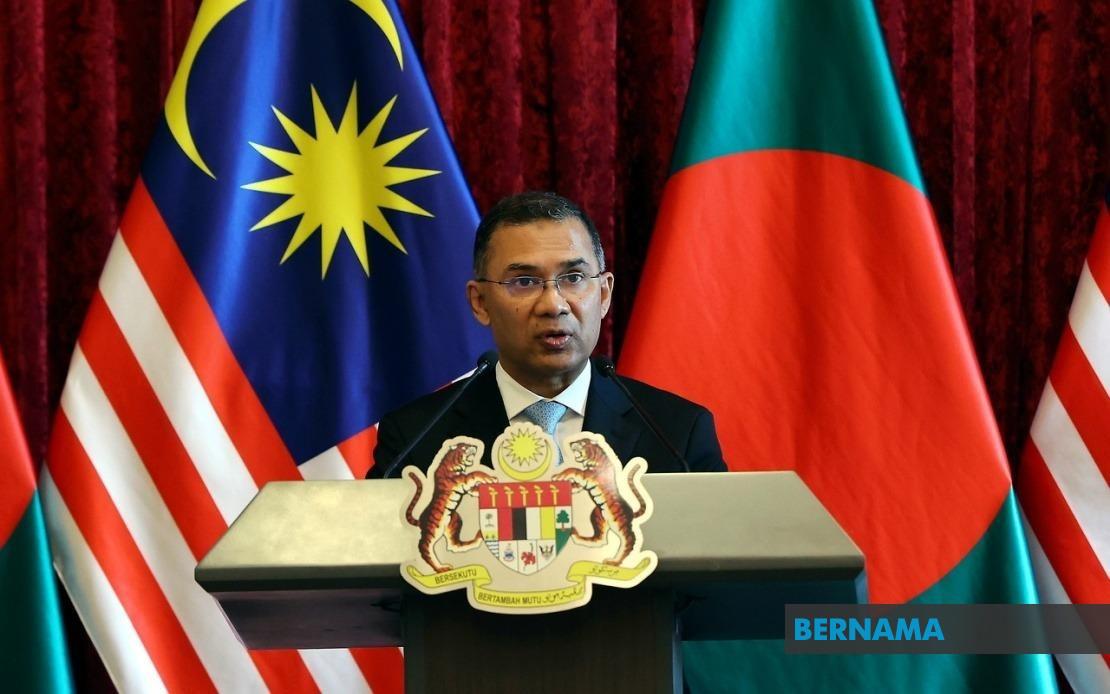
The presence of Malaysian High Commissioner to Bangladesh Mohd Shuhuda Othman at the Dhaka event underscored Kuala Lumpur's commitment to strengthening institutional relationships with Bangladeshi counterparts. High commissioners serve as the senior diplomatic representatives in Commonwealth contexts, and their attendance at business forums signals that trade and investment facilitation are integral to broader diplomatic strategy. Othman's participation demonstrated that Malaysia views commercial engagement not as peripheral to bilateral relations but as central to them.
The Federation of Bangladesh Chambers of Commerce and Industry (FBCCI), represented at the event by administrator Mohammad Fazlul Haque, plays a crucial convening role in articulating the business community's priorities to government. FBCCI's involvement in organising events focused on Malaysia suggests that Bangladeshi commercial interests see significant potential in deepening ties with Malaysian counterparts. This institutional framework provides channels through which business concerns can be communicated directly to policymakers in both capitals.
For Malaysian readers and policymakers, the significance of these developments extends beyond bilateral relations. Bangladesh, with a population exceeding 170 million, represents both a substantial market and a manufacturing hub of increasing strategic importance. As Malaysia seeks to strengthen its position in South Asia amid regional competition for influence and investment, deeper ties with Bangladesh—whether through trade, investment, or development cooperation—contribute to a more integrated regional architecture. The relationship also offers Malaysian firms opportunities to access South Asian supply chains and markets through a well-positioned partner.
The emphasis on mutual trust articulated by Minister Sakhawat carries particular weight given the complex geopolitical environment in South Asia. Political relationships between neighbouring states can be volatile, making explicit references to trust-based partnerships significant markers of stability. By framing the Bangladesh-Malaysia relationship in these terms, the minister was signalling that both nations view their engagement as long-term and rooted in genuine partnership rather than temporary alignment or convenience.
Prime Minister Tarique Rahman's June visit to Malaysia, referenced multiple times in the minister's remarks, appears to have catalysed further momentum in governmental engagement. High-level visits typically generate follow-up actions and ministerial delegations, suggesting that the substantive work of deepening cooperation across sectors is likely underway in various government departments. For Malaysian readers monitoring regional developments, tracking subsequent announcements regarding trade agreements, investment facilitation, and development partnerships between the two countries will provide concrete indicators of whether this momentum translates into tangible outcomes.

