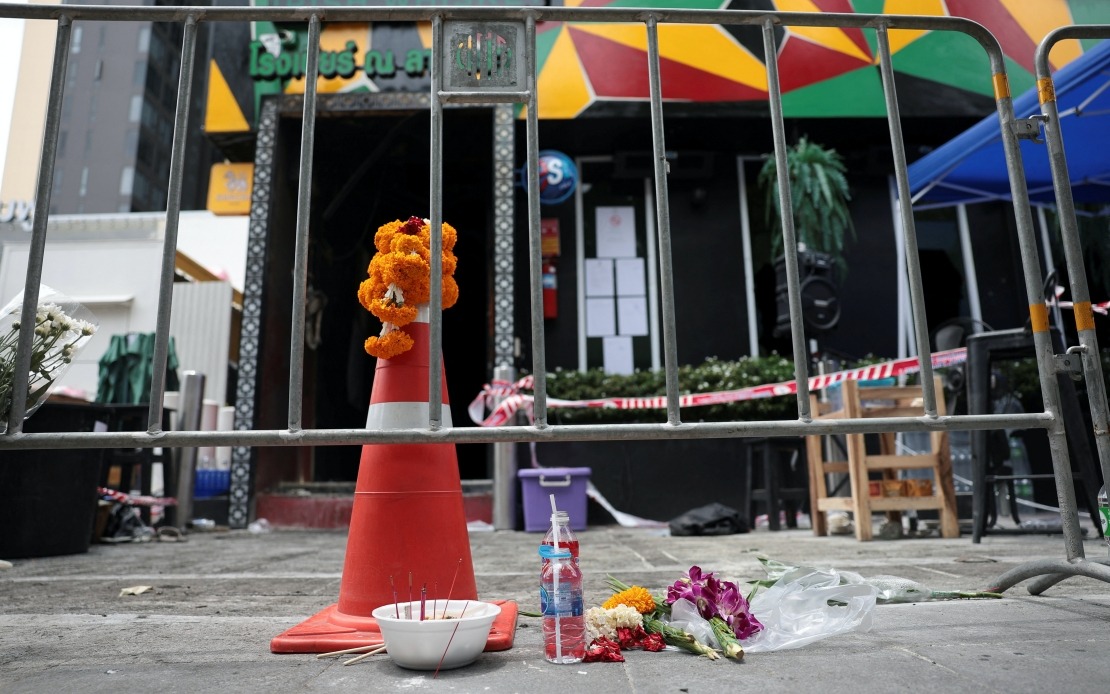
A catastrophic fire that claimed 33 lives at an entertainment venue in Bangkok's Lat Phrao district has been attributed to toxic gas inhalation rather than thermal injuries, according to findings released by Thai authorities this week. Metropolitan Police Bureau Commissioner Police Lieutenant General Sayam Boonsom stated that forensic examination established asphyxiation as the primary cause of death among all victims, with toxic compounds identified in their remains during the post-mortem process.
The toxic agents determined to be present in victims' bodies included carbon monoxide and cyanide, both of which operate by preventing oxygen absorption at the cellular level. These gases prove lethal within minutes of significant exposure, making rapid evacuation critical in such emergencies. The speed at which these substances incapacitate victims—often before flames reach them—explains why conventional fire safety measures based on thermal protection prove inadequate in enclosed entertainment spaces.
Investigations have progressed beyond establishing the cause of death, with police now examining the sequence of events that allowed such dangerous conditions to develop. Forensic officers completed their initial examination of the scene, shifting focus toward identifying the circumstances that initiated the blaze. Among suspected factors under scrutiny are potential electrical malfunctions within the building's infrastructure and deliberate or inadvertent safety code violations.
The venue's structural integrity has become a central concern for investigators. Police are examining evidence of unauthorised modifications to the building itself, including alterations that may have compromised the building's original safety design. Of particular significance is the discovery of blocked emergency exits, which would have prevented occupants from evacuating when the fire began shortly after midnight on Monday. Such obstructions directly contributed to the entrapment of patrons inside the burning structure.
Police Lieutenant General Sayam indicated that while no formal charges have yet been filed, authorities are preparing prosecutions across multiple legal categories. These anticipated charges include causing death and injury through negligence, executing unauthorised structural modifications without proper approval, and negligently initiating a fire. The breadth of potential charges reflects the complexity of establishing liability across multiple parties who may bear responsibility for different violations.
Investigators are also examining whether the entertainment establishment operated in breach of regulations governing such venues in Thailand. The scope of inquiry extends to whether the premises conducted activities beyond the boundaries of its operating licence, a common infraction in Bangkok's entertainment districts where venues frequently expand services or modify operations without seeking official permission. Such breaches can compromise safety systems and emergency procedures that licensing authorities verify during approval processes.
The police inquiry has reached an advanced stage in terms of witness testimony, with investigators having conducted interviews with more than 106 people connected to the incident. These individuals include surviving patrons, staff members present during the fire, emergency responders, and others with relevant knowledge of the venue's operations or the immediate circumstances of the outbreak. The volume of witness statements provides authorities with multiple perspectives on how the emergency unfolded.
Medical outcomes for survivors reflect the severity of exposure to toxic fumes. As of the most recent report, 14 people remained in intensive care units, indicating ongoing organ damage or respiratory compromise from their inhalation injuries. Meanwhile, 44 survivors had completed hospital treatment and returned home, though some may face long-term health consequences from their exposure. The initial fire injured more than 70 people, demonstrating the indiscriminate danger posed by toxic gas accumulation in poorly ventilated spaces.
For Southeast Asian readers monitoring workplace and public safety standards, this incident underscores vulnerabilities that transcend national boundaries. Entertainment venues across Malaysia, Thailand, Singapore, and Indonesia operate under varying regulatory frameworks, yet all face similar risks when safety systems are compromised. The Bangkok fire exemplifies how structural modifications, emergency exit obstruction, and inadequate ventilation can transform a crowded venue into a lethal environment within minutes. Malaysian authorities responsible for licensing entertainment establishments and conducting safety inspections would benefit from studying this case as a cautionary precedent, particularly regarding enforcement of emergency exit requirements and the inspection of structural alterations.

