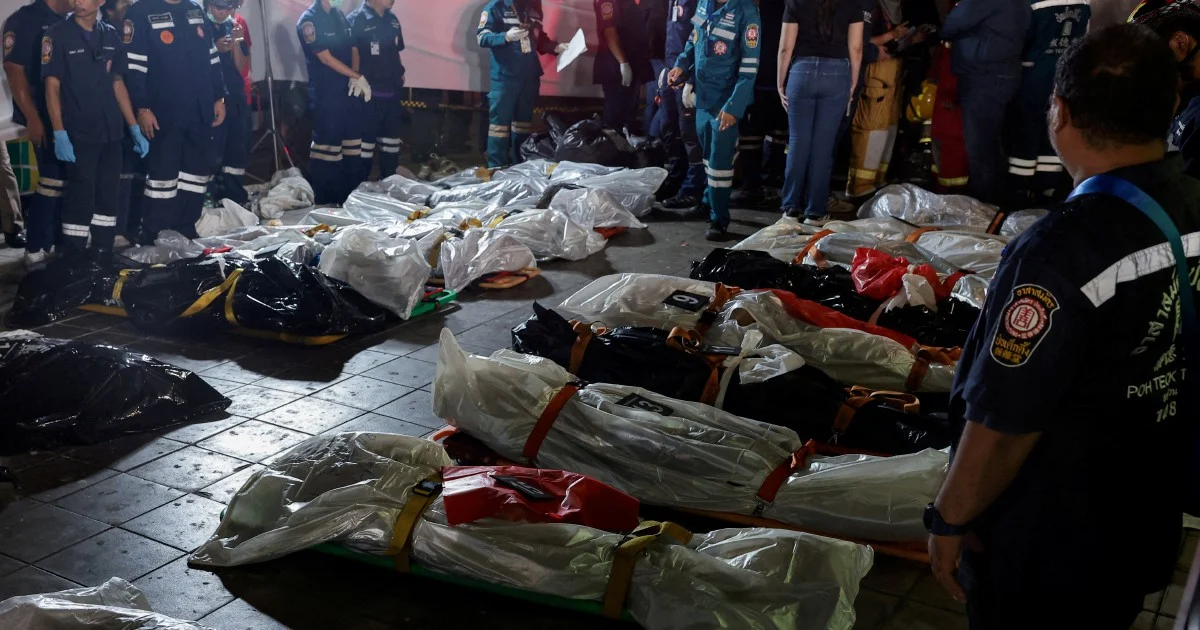
Thailand's Prime Minister Anutin Charnvirakul confirmed that a major fire engulfed a bar in Bangkok late Sunday night, resulting in the deaths of at least 27 people. The incident represents one of the most serious fire disasters to strike the Thai capital in recent times, raising fresh questions about building safety standards and emergency response protocols across Thailand's hospitality sector.
Emergency responders rushed to the scene after the fire broke out, though details about the exact circumstances of the blaze remain under investigation. The timing—occurring during evening hours when the establishment would have been operating at capacity—compounded the tragedy and likely contributed to the high casualty count. Rescue operations extended into the following hours as authorities worked to locate survivors and account for those still missing.
For regional observers, this tragedy underscores a troubling pattern across Southeast Asia's hospitality industry. Thailand, like Malaysia and several neighbouring countries, has grappled with inconsistent enforcement of fire safety codes in entertainment venues. Building inspections, fire suppression equipment maintenance, and emergency exit protocols remain areas where standards vary significantly, even in major urban centres where regulatory oversight should be most stringent.
The incident will likely prompt a broader examination of nightlife safety practices throughout Bangkok and the wider kingdom. Venues operating in crowded, confined spaces—particularly those in converted buildings or structures not originally designed for commercial entertainment—face inherent risks that demand rigorous compliance and regular oversight. Whether staff receive adequate fire safety training, whether evacuation routes remain clear and properly illuminated, and whether fire extinguishing systems function reliably are questions that extend beyond Thailand's borders.
For Malaysian authorities and venue operators, the Bangkok incident serves as a cautionary reminder of what can unfold when safety measures are neglected or inadequately enforced. Malaysia's own regulatory framework governing entertainment establishments—including nightclubs, karaoke bars, and similar venues—must remain under constant review. Comparative studies of building codes and enforcement mechanisms between Thailand and Malaysia might reveal gaps in protection that require urgent rectification.
The casualty figure of at least 27 deaths places this among Thailand's deadliest building fires in recent memory. While final casualty counts may shift as authorities continue identifying victims, the magnitude already signals a major tragedy for Thai society. Families of those affected will face years of grief and recovery, whilst the nation grapples with the loss of so many lives in a preventable circumstance.
Prime Minister Charnvirakul's immediate public statement reflects the gravity Thai leadership assigns to the incident. Government officials will likely face mounting pressure from domestic constituencies and international observers to conduct thorough investigations and implement reforms. How Thailand responds—whether through enhanced inspections, mandatory safety upgrades, or criminal accountability for negligence—will reverberate through the region and establish precedents that neighbouring governments may follow or deliberately avoid.
The fire also raises questions about infrastructure challenges common across major Southeast Asian cities. Rapid urban expansion, mixed-use buildings with varying compliance histories, overcrowding during peak hours, and inadequate escape routes represent systemic vulnerabilities. Bangkok's notorious traffic congestion may also have delayed emergency service response times, a factor worth examining in the formal investigation.
International observers have begun analysing whether the incident relates to broader governance issues in Thailand. Corruption, inadequate funding for fire department capacity, and politicisation of regulatory agencies have been cited by critics as structural problems affecting public safety. Whether these factors played any role in the bar fire will likely emerge as investigations progress, potentially triggering wider institutional reviews.
For tourists and expatriates regularly patronising Bangkok's nightlife venues, the fire inevitably raises concerns about personal safety. Many international visitors—including Malaysians who frequent Thai nightspots—may now think twice about venue selection, favouring larger, more established establishments with visible safety infrastructure. Tourism operators will monitor how this incident affects visitor confidence and booking patterns.
The incident also highlights vulnerabilities in entertainment districts where multiple establishments operate within close proximity, often with shared infrastructure or inadequate separation. A fire in one venue can spread to neighbouring properties, magnifying casualties and complicating rescue operations. Urban planning reviews may now examine whether current zoning and spacing standards adequately protect public safety in high-density entertainment areas.
Thailand's government will face domestic and international scrutiny over its initial response and subsequent investigative efforts. Whether authorities can satisfactorily explain how such a catastrophic loss of life occurred in a major metropolitan area will determine public confidence in regulatory systems and emergency preparedness across the country.

