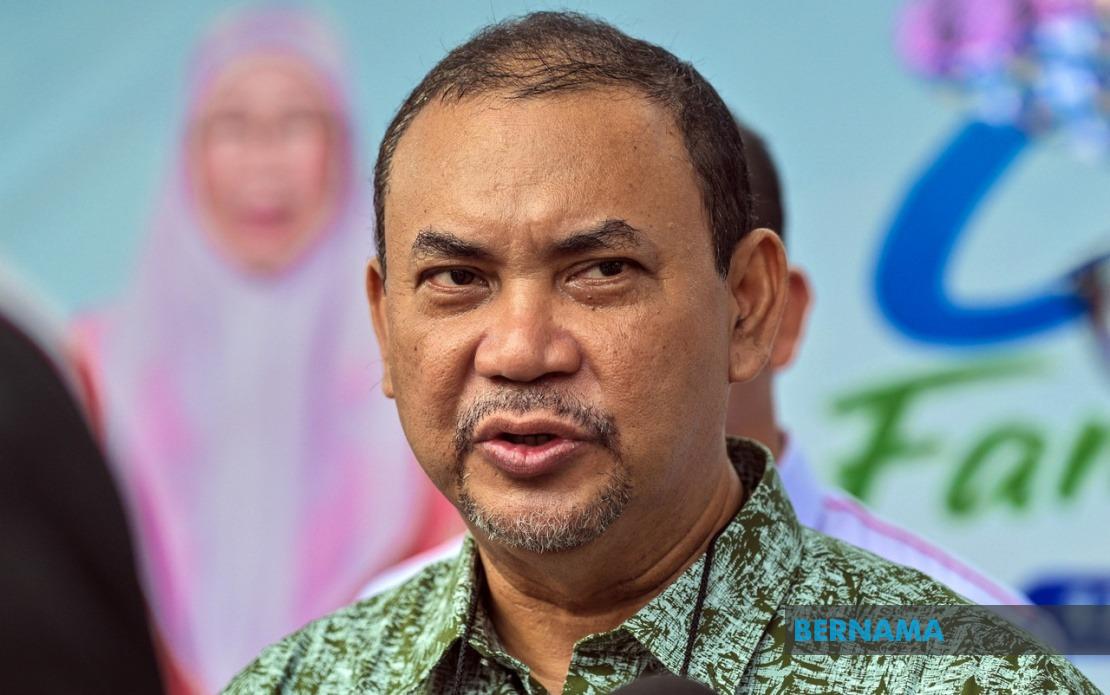
Datuk Azman Abidin, who carries the dual role of Ampang Parliamentary Constituency Coordinator and Prime Minister's Political Secretary, has made a formal commitment to strengthen the welfare support system for residents across his constituency. Appointed by Prime Minister Datuk Seri Anwar Ibrahim to the coordinating position, Azman intends to establish a more organised, efficient and responsive mechanism for distributing assistance to those in need.
The restructured approach will leverage the capabilities of the Implementation Coordination Unit (ICU) housed within the Prime Minister's Department, working in tandem with other relevant government agencies. This collaborative framework aims to ensure that government programmes and initiatives designed to benefit residents reach their intended recipients without unnecessary delays or administrative friction. By centralising coordination efforts, the office hopes to eliminate duplication and gaps that sometimes characterise welfare delivery across multiple agencies operating independently.
Residents seeking welfare assistance can now channel their applications directly to the Office of the Prime Minister's Political Secretary, which will undertake the necessary processing and coordination. This single-window approach is intended to simplify the application process and reduce the bureaucratic burden on constituents who may struggle to navigate multiple government departments and agencies separately. The office will handle the administrative groundwork required to match applicants with appropriate government support schemes.
Azman has signalled that his coordinating efforts will extend beyond government machinery to encompass collaboration with local political representatives and community stakeholders. The assemblymen representing the various state constituencies falling within Ampang parliamentary constituency will be engaged as active partners in identifying community needs and channelling support. Community leaders and grassroots organisations already working within neighbourhoods can provide invaluable insights into which residents require assistance and the nature of support most relevant to local circumstances.
This inclusive approach recognises that effective welfare delivery depends on relationships of trust and understanding built at the community level. Local leaders often possess knowledge about vulnerable households and individuals that centralised databases may not capture. By coordinating with these figures, the office can tailor assistance programmes to address specific community challenges rather than applying blanket solutions that may not suit all residents equally.
The commitment extends beyond the announcement phase to encompass concrete operational standards. Azman has pledged that his team will execute their responsibilities with professional standards, personal integrity, and transparent accountability measures. These principles matter considerably in governance, particularly in welfare administration where poor execution can leave vulnerable populations unprotected and misallocation of resources undermines public confidence in government services.
The appointment reflects the Prime Minister's effort to create more efficient channels for delivering benefits to constituents, a priority increasingly important as economic pressures mount for Malaysian households. With cost of living concerns dominating public discourse and pressure on household budgets intensifying, the accessibility and responsiveness of welfare systems directly affect people's ability to cope with financial stress. A coordinator serving as a dedicated interface between constituents and government machinery can accelerate resolution times and ensure assistance reaches those experiencing genuine hardship.
For Ampang specifically, the formalisation of a dedicated coordinating position suggests recognition that the constituency warrants focused administrative attention. Ampang is a significant electoral area encompassing diverse communities with varying economic circumstances and social needs. The previous absence of such a formal coordinating position may have left gaps in service delivery, with residents uncertain where to direct welfare applications or uncertain whether their applications received appropriate priority within government systems.
The structure also responds to the reality that welfare assistance programmes are often fragmented across multiple agencies and government levels. The federal government operates certain schemes, state governments administer others, and local authorities manage additional programmes. Without proper coordination between these tiers, residents may fall through gaps or receive duplicated assistance while others go unsupported. A dedicated coordinator can navigate this complexity on behalf of constituents.
For other constituencies throughout Malaysia, this model offers a potential template for improved welfare administration. Should the Ampang arrangement prove effective in accelerating assistance delivery and improving resident satisfaction, there may be appetite to replicate the structure elsewhere. The success or failure of this initiative will likely attract scrutiny from both opposition MPs seeking to improve their own constituent services and government administrators evaluating governance improvements.
The announcement also signals that the Prime Minister's office intends to take direct responsibility for coordinating welfare delivery rather than delegating it entirely to permanent civil service structures. This level of political engagement underscores the government's prioritisation of the welfare agenda and suggests that political pressure from the Prime Minister's office will encourage bureaucratic responsiveness. Government agencies typically respond more quickly to direct requests from political leadership than to routine procedural requests.

