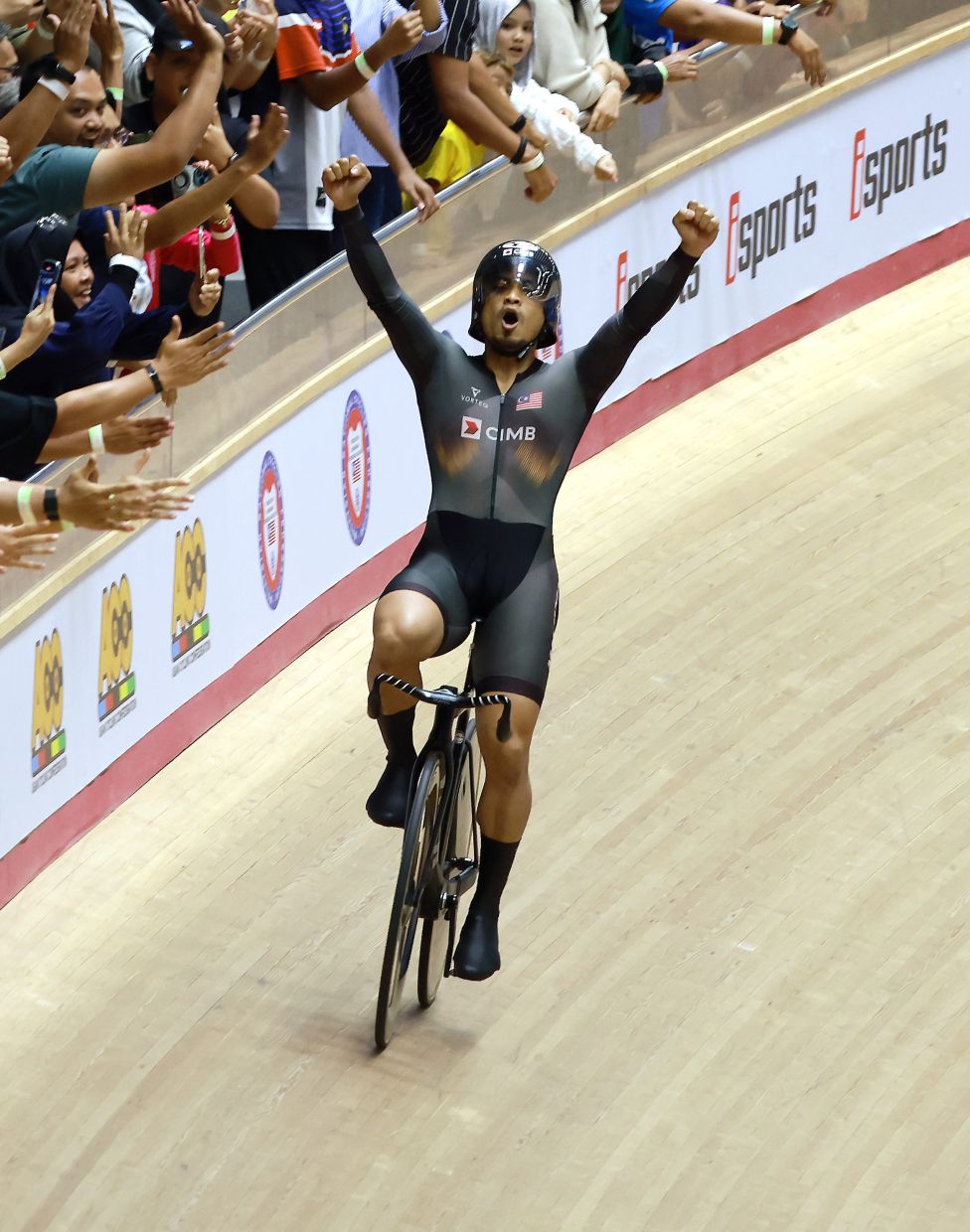
Track cyclist Azizulhasni Awang became visibly emotional on Merdeka Day when he received confirmation from the National Sports Council and the Youth and Sports Ministry that his path to the 2028 Los Angeles Olympics would continue with their full support. The 38-year-old posted a video from the velodrome detailing his relief at finally obtaining clarity, having endured nearly a week without training while anxiously awaiting the decision that would determine his competitive future.
Azizul's distress during the waiting period had been profound. He described returning to the track feeling disconnected from his body and mind, unable to muster the focus required for serious training. The uncertainty had left him in limbo, unable to commit fully to his Olympic qualification campaign without knowing whether the authorities viewed his continued participation as beneficial to Malaysia's cycling programme. His anguish resonated deeply with observers who recognised the psychological toll of such institutional indecision on an aging athlete desperate to extend his career on the sport's grandest stage.
The Malaysian National Cycling Federation (MNCF) had previously confirmed receiving written assurance that both the National Sports Council and Youth and Sports Ministry would provide the comprehensive support necessary for Azizul to mount a credible qualification bid for Los Angeles. This backing encompasses funding, coaching resources, and logistical arrangements essential for an athlete of his profile to remain competitive in international track cycling. The confirmation resolved mounting speculation about whether Malaysia would continue investing in Azizul's preparations or redirect resources toward younger cycling prospects.
Azizul's predicament illustrates the vulnerability of senior athletes navigating sports bureaucracy during career transitions. The former keirin world champion had previously stated his intention to retire from competitive cycling but signalled willingness to continue racing if national authorities required his services. Rather than attempting to secure independent sponsorship or operate outside the state system, he chose to respect the NSC's prerogative, a decision that left him entirely dependent on official decision-making timelines. This approach, while honourable, exposed him to the vagaries of institutional processes often opaque to public scrutiny.
The situation escalated into a significant controversy within Malaysian cycling circles when Azizul publicly aired his grievances on social media, refusing to remain silent about the ambiguity surrounding his status. The move proved strategically effective, generating substantial public sympathy and mobilising netizens to pressure the National Sports Council and Youth and Sports Minister Dr Taufiq Johari. The intervention of public opinion—somewhat unusual in Malaysian sports politics—created political costs for delaying a decision, effectively accelerating the resolution.
Public backing for Azizul revealed broader concerns about how Malaysia's sporting authorities treat veteran athletes who have delivered international success. His keirin world championship credentials and extensive representation of Malaysian cycling on the global stage commanded respect among supporters who viewed the uncertainty as disrespectful treatment of a national sporting asset. The episode raised questions about succession planning and how systems manage transitions involving accomplished older athletes whose experience and medal-winning records remain valuable despite advancing age.
Azizul expressed profound gratitude toward the thousands of Malaysians who rallied behind him, acknowledging that their unsolicited support had profoundly affected him emotionally and strengthened his resolve. He had not requested public intervention, yet the organic mobilisation of sentiment demonstrated the affection in which he is held among cycling enthusiasts and general sports fans. This groundswell of support transcended the sport itself, reflecting appreciation for an athlete who had dedicated decades to competing for Malaysia.
The confirmation now enables Azizul to restructure his training and qualification strategy around a concrete timeline extending to 2028. Track cycling qualification for the Olympics involves accumulating ranking points through international competition, and the years remaining provide a narrow but achievable window for mounting a credible campaign. His experience, technical proficiency, and established international networks position him reasonably well for success, provided he maintains fitness and avoids significant injuries during the qualification period.
For Malaysia's cycling programme, retaining Azizul offers both tangible and symbolic benefits. The tangible value lies in his ability to potentially win medals in individual events, strengthening Malaysia's medal tally from Los Angeles. Symbolically, his continued participation demonstrates commitment to supporting accomplished athletes and maintaining their competitive pathways rather than abruptly abandoning them. This approach potentially fosters loyalty among other senior athletes who might otherwise feel insecure about their positions within national sports systems.
The resolution reflects broader maturation within Malaysian sports governance regarding athlete welfare and institutional decision-making transparency. While the handling of Azizul's case exposed processing delays, the ultimate affirmative decision suggests the National Sports Council recognised the validity of his position and the legitimacy of public concerns about institutional fairness. Future cases involving athlete status and support decisions may benefit from more explicit timelines and communication protocols, preventing similar periods of uncertainty that undermine athletic preparation and mental wellbeing.
Looking forward, Azizul's confirmed path to Los Angeles positions him as a potential medal hope for Malaysia's cycling contingent, with realistic prospects in individual track events where his specialisation and experience provide competitive advantages. The next four years will test his ability to maintain the physical and mental resilience required to compete against younger international rivals, but his determination to represent Malaysia and his demonstrated commitment to training suggest he remains a significant asset to the nation's Olympic programme.

