Australia's transport safety authorities have launched a formal investigation into three separate runway near-misses that occurred at Sydney Airport over a fortnight, with alarming incidents involving major carriers occurring on consecutive occasions. The investigations underscore growing concerns about safety protocols at one of the nation's busiest aviation hubs, prompting intervention from Prime Minister Anthony Albanese and intensifying scrutiny of how Australia's busiest airport manages increasingly congested flight operations.
The most recent incident unfolded on the morning of August 9, when a Virgin Australia Boeing 737 cleared for immediate take-off encountered a Qantas aircraft already crossing the runway ahead of it. The Virgin Australia crew executed an emergency stop, bringing their aircraft to a halt approximately one kilometre away from the Qantas plane, which had itself received clearance to taxi across the runway. This separation—though ultimately sufficient to prevent contact—represented a critical failure in the sequencing and coordination mechanisms that govern runway utilization.
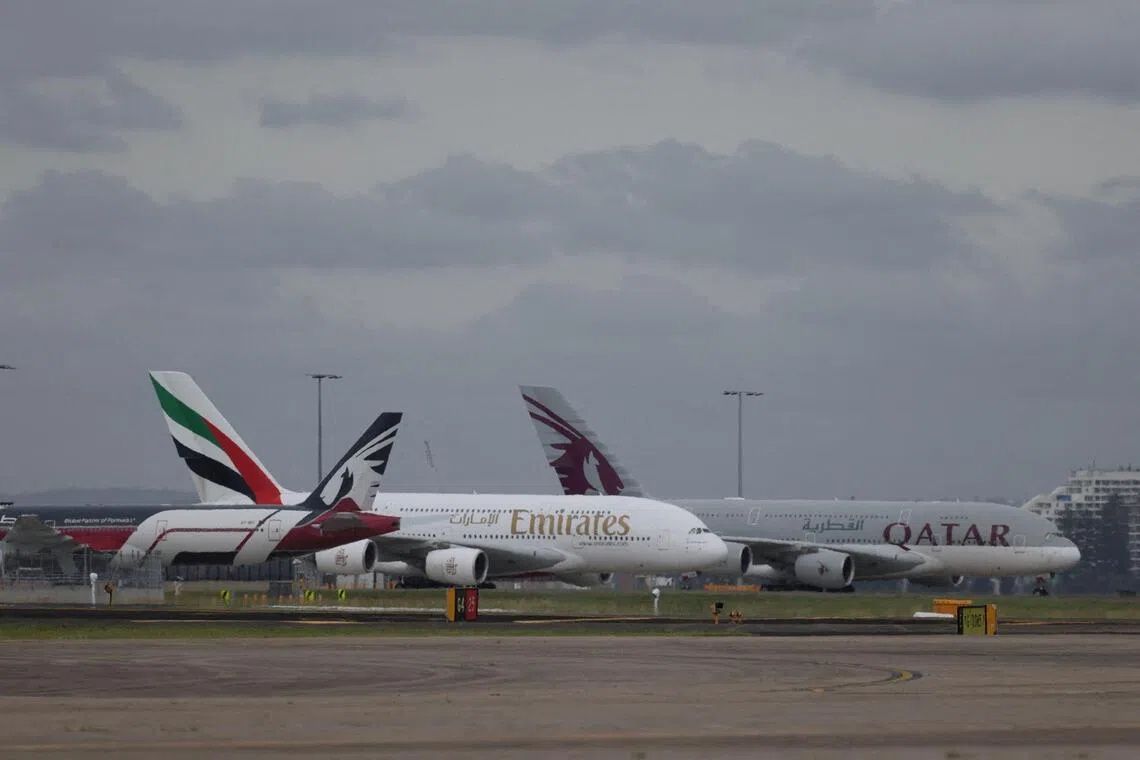
Complicating matters further, Sydney Airport experienced a second dangerous encounter on the identical day. A Jetstar pilot was forced to apply maximum braking force to avert a potential collision with a Qatar Airways aircraft, creating a dual-incident scenario that elevated concerns about whether systemic failures were emerging across the airport's operations. The concentration of two serious incidents within hours suggested potential coordination breakdowns rather than isolated human error.
These August incidents followed an earlier collision-avoidance situation on July 27, when two Qantas aircraft that had both received take-off clearances narrowly avoided contact through pilot intervention. The sequence of three incidents across a fifteen-day period represents an unusual clustering of safety events at an airport that typically manages hundreds of daily movements with established safety margins and protocols.
Angus Mitchell, chief commissioner of the Transport Safety Bureau, acknowledged the severity of the situation while emphasizing the comprehensive nature of the investigation. He indicated that authorities would examine multiple contributing factors, including the operational tempo at the airport, staffing levels within the control tower, and the specific conditions prevailing during each incident. Mitchell's statement revealed that a supervisory or training situation was occurring on August 9, potentially affecting normal operational procedures and the experience level of personnel managing runway movements.
The investigation framework will necessarily address the broader context of Australia's air traffic control environment. Mitchell noted that the aviation sector is currently experiencing significant expansion in recruiting, training, and qualifying air traffic controllers to accommodate growing demand and recovery from pandemic-related disruptions. This transition period, while necessary to support aviation growth across the region, potentially creates vulnerabilities if training and qualification processes are compressed or if newly qualified controllers lack sufficient supervised experience.
The transport safety chief's comments reveal a delicate tension: Australia requires expanded air traffic control capacity to accommodate growing passenger volumes and the post-pandemic resumption of international routes, yet the rapid ramp-up of staffing creates inherent risks if integration into the system proceeds too quickly. Sydney Airport, as the nation's premier international aviation gateway, bears particular pressure during this transition, given its role in handling complex international operations alongside domestic services.
Questions have emerged regarding the disclosure timeline for these incidents. The extended delay between occurrence and public awareness raised concerns about internal reporting mechanisms and whether standard protocols for communicating significant safety events to relevant stakeholders were functioning adequately. Such delays can impede timely intervention and comprehensive analysis of systemic issues that may require immediate corrective action.
Mitchell's acknowledgment that "three incidents occurred that shouldn't have occurred" underscores the fundamental nature of the investigation. Each incident involved situations where air traffic control instructions—specifically approvals for take-off and runway crossing—created genuine collision risks that could only be resolved through pilot awareness and intervention. This places responsibility not only on control tower personnel but also on the procedural frameworks and decision-support systems that guide their operations.
The implications for Southeast Asian aviation are notable. Sydney Airport's safety challenges occur amid a period of sustained air traffic growth across the Asia-Pacific region, particularly as recovery from pandemic impacts accelerates. Malaysia's own airports, including Kuala Lumpur International Airport and secondary hubs, operate within similar traffic management frameworks and face comparable pressures regarding controller staffing and training capacity. The findings from Australia's investigation may inform regional discussions about best practices for managing expanding aviation demand while maintaining safety margins.
Prime Minister Albanese's intervention signalled political seriousness about the incidents, emphasizing that runway safety receives attention at the highest governmental levels. The investigation will likely extend beyond immediate causation to examine organizational culture, communication protocols between ground and airborne crews, technological decision aids, and whether the current physical infrastructure and management systems at Sydney Airport remain adequate for contemporary traffic volumes.
The timing of these incidents coincides with post-pandemic aviation recovery, when route networks are being reestablished, flight frequencies are increasing, and airport operations are returning to peak capacity after extended disruption. This operational environment demands heightened vigilance regarding safety systems that may have experienced reduced utilization during lower-traffic periods.
As the Transport Safety Bureau conducts its investigation, broader questions will surface regarding workforce planning, training curriculum adequacy, and whether rapid expansion of air traffic control personnel can be accomplished without compromising safety. The outcome will likely influence how Australian aviation authorities—and potentially their counterparts across Asia-Pacific—approach future capacity planning when balancing growth imperative against operational safety requirements.

