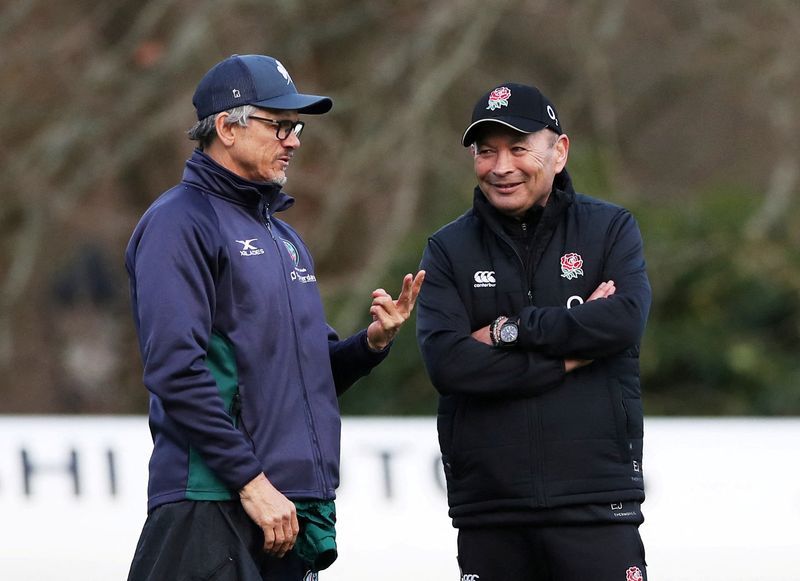
Les Kiss has made clear that winning will trump convention as he settles into his role as the new coach of the Australian national rugby team, the Wallabies. In his inaugural press conference this week in Sydney, Kiss declared he would cast his net globally in pursuit of talent that could edge the struggling side closer to World Cup contention. The 61-year-old former Queensland Reds director outlined a philosophy markedly different from his predecessor Joe Schmidt, who largely adhered to Rugby Australia's internal policy discouraging coaches from tapping overseas-based players. Kiss's more expansive recruitment stance signals a shift in thinking about how best to assemble a competitive squad from a talent pool that has proven increasingly shallow in recent years.
The difference in approach came into focus when Kiss unveiled his inaugural squad for next month's two-test series against Japan, coached by Eddie Jones. While the squad retained the bulk of fit players Schmidt had relied upon during the recent Nations Championship campaign, Kiss emphasised that overseas-based players would not be automatically excluded from consideration. This represents a meaningful recalibration of policy at a time when Australian rugby faces mounting pressure to reverse a worrying trajectory. The Wallabies have won just two of their past eleven tests and languish eighth in the world rankings, a position far from the standard expected of a former World Cup winner preparing to host the tournament.
Kiss revealed he has already initiated contact with several players based outside Australia, including Jordan Petaia, an outside back and centre currently sidelined by injury and playing rugby in Japan. By proactively engaging with overseas-based talent, Kiss is signalling that pragmatism will govern his selection decisions rather than any attachment to maintaining a strict domestic-only approach. This openness reflects the reality facing modern Australian rugby: depth at elite level has contracted significantly, and rigid adherence to rules designed to encourage domestic competition may no longer serve the national interest during a critical period. The coach's willingness to look abroad suggests he has already identified gaps that domestic players cannot adequately fill.
Rugby Australia's long-standing policy restricting overseas recruitment stems from a desire to strengthen the domestic Super Rugby competition by ensuring the game's top talent remains based in Australia. Schmidt respected this framework throughout his tenure, using his discretionary picks to select overseas players only sparingly during his two years in charge. Kiss's more flexible stance does not necessarily signal a complete rejection of that philosophy, but rather a recognition that winning takes precedence when the stakes are highest. His comment that he would "look far and wide" for talent capable of making a difference underscores a conviction that access to the world's best players matters more than maintaining strict eligibility boundaries.
The backdrop to Kiss's arrival is grim. Schmidt's tenure, while preserving some dignity, failed to arrest the Wallabies' decline. A loss to Ireland at home, a heavy defeat to France, and a narrow victory over a depleted Italy in the Nations Championship tests painted a picture of a team still struggling to find cohesion or consistency. Kiss inherits a squad desperately needing restoration of both competence and confidence. The coach's emphasis on embracing an "Aussie spirit" built on creativity and competitiveness appears designed to reconnect with the traditions that produced World Cup victories in the 1990s, while simultaneously acknowledging that such an approach requires world-class personnel to execute effectively.
Joseph Suaalii symbolises both the ambition and uncertainty clouding Australian rugby at this juncture. Rugby Australia committed A$5 million to recruit the 22-year-old from rugby league, hoping he would transform the Wallabies' attacking capacity and provide the kind of game-breaking ability that elite international sides possess. Yet since an impressive debut during the 2024 Northern Hemisphere tour, Suaalii's performances have proven inconsistent, triggering questions about his suitability for the international game and his optimal playing position. Kiss confirmed he would persist with Suaalii at outside centre, despite debate about whether the talented youngster might be better deployed at fullback. This decision suggests Kiss believes the player simply requires more time to adapt, rather than that a positional change is necessary.
The appointment of Kiss, the former Queensland Reds boss, represented a deliberate choice by Rugby Australia to pursue a leader with a track record of developing talent and building competitive teams within the Australian system. His willingness to supplement that domestic foundation with overseas talent indicates a maturation in thinking about how best to field a World Cup-competitive team. The tension between Rugby Australia's policy framework and the coach's operational needs has effectively been resolved in Kiss's favour, suggesting the governing body recognises that incremental improvement within existing constraints is no longer acceptable.
For regional rugby observers, Kiss's appointment and his stated philosophy carry implications extending beyond Australia's fortunes. The Wallabies remain a major force in Pacific rugby and a benchmark against which other developing nations measure themselves. Should Kiss successfully stabilise and improve the side through a combination of domestic talent development and selective overseas recruitment, it would validate a hybrid approach that other rugby nations might consider adopting. Conversely, if the strategy fails to produce results, it could prompt broader reconsideration of how talent development and recruitment policies interact in international rugby.
Kiss's task is formidable. The Wallabies must improve dramatically from their current position to mount a credible World Cup campaign as hosts. The coach has signalled he will not be constrained by artificial restrictions on player selection if doing so compromises the team's competitive prospects. Whether that flexibility, combined with his coaching acumen and the domestic talent available, proves sufficient to restore Australian rugby to former heights remains uncertain. What is clear is that a new pragmatism has displaced the caution of the Schmidt era.

