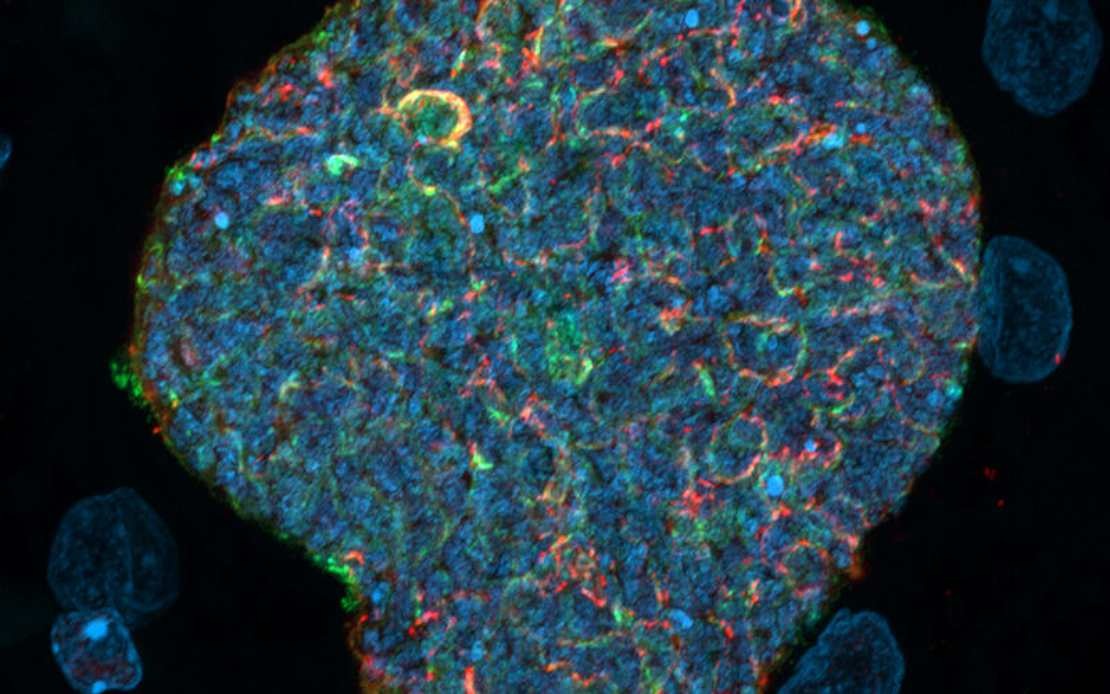
Researchers at Australia's Walter and Eliza Hall Institute of Medical Research have unveiled a groundbreaking strategy for malaria prevention that fundamentally reimagines how the disease might be controlled in high-risk regions. The novel approach transforms the threat of mosquito bites from a public health menace into a mechanism for strengthening immune defences, according to findings released on Friday. This advancement represents a significant departure from conventional vaccination paradigms and could have profound implications for malaria control efforts across Southeast Asia, where the disease remains a persistent health burden.
The research team has developed an innovative immunisation strategy that combines mosquito-delivered malaria parasites with experimental antimalarial compounds created through collaboration between WEHI and pharmaceutical company MSD. The investigational drugs function by intercepting malaria parasites at a critical juncture in their life cycle—specifically at the late liver stage, before the organisms breach into the bloodstream and initiate systemic disease. This strategic intervention prevents the catastrophic cascade of events that normally follows infection while simultaneously triggering the immune system to mount a potent defensive response.
The mechanism underlying this approach hinges on allowing parasites to develop just far enough to provoke comprehensive immune activation, yet restraining them before clinical illness emerges. When the antimalarial compounds arrest parasite development at the liver stage, the body's immune cells recognise and respond to these arrested parasites, establishing durable protective immunity. Laboratory and experimental evidence indicates this strategy produces robust and sustained defensive capacity against the disease, according to the research team's statement. The elegance of this approach lies in its ability to generate genuine immunological memory without subjecting patients to actual malaria illness.
Perhaps most intriguingly, the researchers propose that subsequent natural mosquito bites could function as biological booster shots in regions where malaria is endemic. Rather than viewing every mosquito encounter as a potential catastrophe, this framework suggests that carefully primed immune systems could harness these natural exposures to continually reinforce and refresh protective immunity. This "vaccinate and boost naturally" model would be particularly advantageous in malaria-endemic countries where mosquito exposure is inevitable and constant. The approach acknowledges epidemiological reality in high-risk regions while converting that reality into a mechanism for sustained protection.
For Southeast Asian nations grappling with persistent malaria transmission, this innovation addresses several critical challenges simultaneously. Many countries in the region struggle with maintaining vaccination coverage and ensuring booster doses reach populations in remote or economically disadvantaged areas. A system that harnesses endemic transmission patterns could substantially reduce the logistical burden of disease control programmes. Nations including Thailand, Myanmar, Laos, and parts of Indonesia have documented sustained malaria transmission, particularly in border regions and rural communities where healthcare infrastructure remains limited. This approach could potentially sidestep some of these structural obstacles.
The global malaria burden underscores the urgency of innovation in this field. The World Health Organisation documented approximately 610,000 deaths attributable to malaria globally during 2024, with the vast majority occurring in sub-Saharan Africa and parts of Asia. Within the Southeast Asian context, malaria disproportionately affects marginalised communities and impedes economic development in affected regions. While mortality rates in Southeast Asia have declined compared to African regions, the disease continues to exact substantial costs in morbidity, lost productivity, and healthcare expenditure. Any innovation that strengthens prevention capacity would therefore generate meaningful public health benefits.
The developmental trajectory of this innovation appears promising but remains in early stages. WEHI researchers indicate that a long-acting injectable formulation based on the antimalarial compounds is currently undergoing preclinical development. This injectable approach suggests the eventual therapeutic might offer practical advantages over oral medications in field settings, potentially improving compliance and simplifying administration in resource-limited contexts. The transition from preclinical research to clinical trials will require rigorous testing for safety and efficacy across diverse populations, a process that typically extends across several years.
The partnership between academic researchers and MSD demonstrates the growing recognition that malaria elimination demands collaboration between public health institutions and pharmaceutical enterprises. The commercial sector's involvement suggests potential pathways toward manufacturing scale-up and distribution networks that could eventually make the therapy accessible in endemic regions. However, questions regarding pricing, intellectual property frameworks, and equitable access to the eventual therapy remain unresolved at this juncture.
This discovery also represents a broader philosophical shift in immunological thinking. Rather than approaching endemic diseases purely as threats to be eliminated through external intervention, the strategy recognises that natural disease exposure, when properly modulated and controlled, can serve public health objectives. This concept aligns with emerging understanding of how human immune systems evolved and function optimally within ecological contexts characterised by pathogen exposure. The challenge lies in implementing this principle safely and effectively across diverse populations and healthcare systems.
For Malaysia and its regional neighbours, the implications merit serious attention from health policy makers and public health authorities. If clinical trials ultimately validate the approach's safety and efficacy, Southeast Asian nations would need to develop implementation frameworks appropriate to their epidemiological situations, healthcare infrastructure, and regulatory environments. Countries with declining but persistent malaria transmission might benefit differently than those experiencing rapid increase in cases or emerging drug resistance. Integration with existing malaria control programmes would require careful planning and coordination across national health systems.

