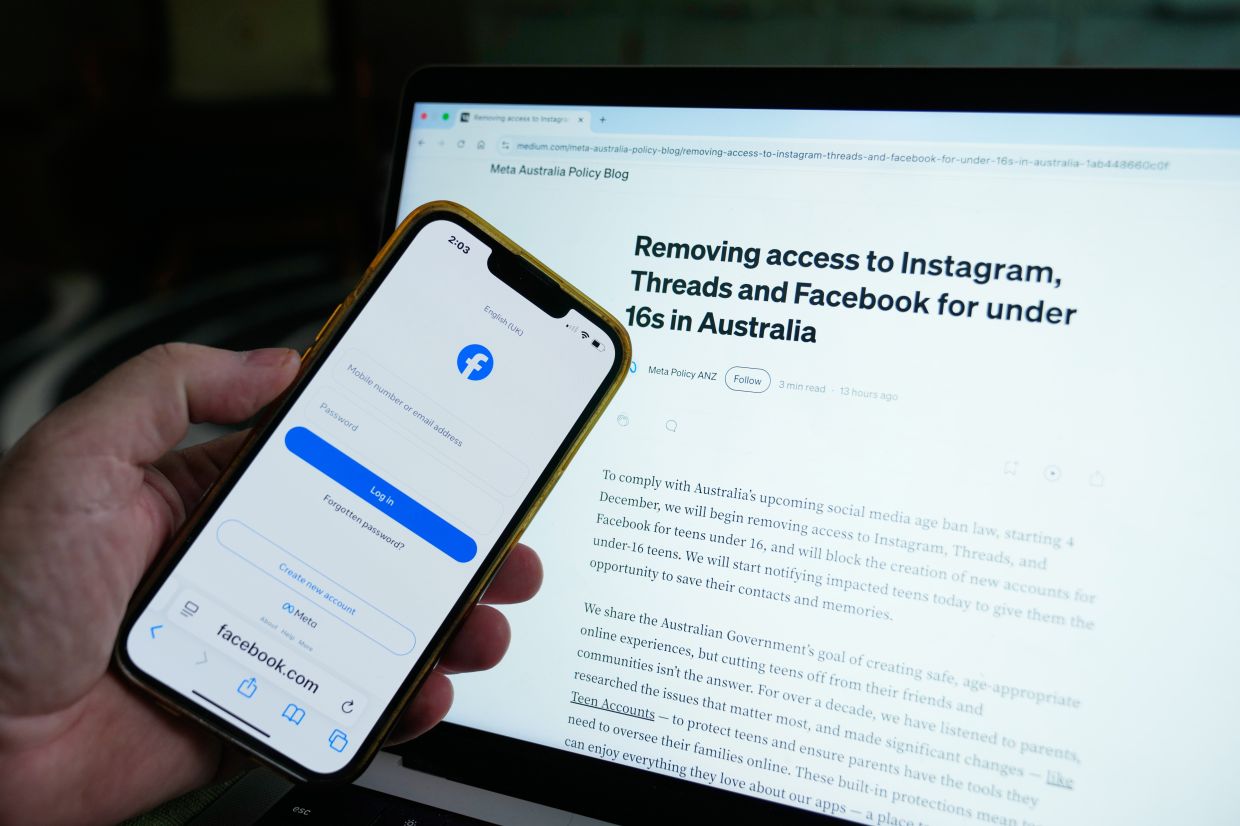
Australia's government has moved swiftly to criticise a parliamentary obstruction that threatens to undermine enforcement of its controversial ban on under-16s using major social media platforms. Prime Minister Anthony Albanese has lashed out at the conservative Liberal Party and the Greens for referring amendments to the legislation to an eight-week Senate inquiry on July 2, a delay that he describes as outrageous. The government sought to enhance the powers of eSafety Commissioner Julie Inman Grant to tackle widespread non-compliance with the ban, which came into force in December last year, but the decision to hold the inquiry has stalled the effort at a critical juncture.
The amendments themselves are relatively straightforward in scope but would carry substantial consequences for platform accountability. Currently, the eSafety Commissioner possesses only the authority to request information from social media providers about their compliance efforts. The proposed changes would grant her the power to demand documents and compel platforms to produce materials detailing their attempts to enforce age restrictions. Additionally, the amendments would expand her remit to seek information from third-party operators, particularly those offering age assurance technologies, allowing her to verify or challenge claims platforms make about how young users are circumventing the restrictions.
Albanese has articulated the practical problem created by the inquiry delay. Once the amendments receive royal assent, a timestamp marks the moment from which the Commissioner can begin issuing demands to platforms. If platforms believe amendments are forthcoming, they have a clear incentive to remove documentation, communications, and evidence of their non-compliance before those enforcement powers materialise. The Prime Minister emphasised that passage yesterday would have locked in that baseline, preventing the destruction of material evidence that might later be used to issue fines. This temporal dimension reveals a sophisticated understanding of corporate behaviour and how procedural delays can inadvertently provide platforms with a window to conceal wrongdoing.
The amendments would also significantly elevate financial penalties for non-compliance. The maximum fine for platforms failing to take reasonable steps to exclude children would double from approximately A$50 million to A$99 million (US$68 million, RM276.56 million). This financial deterrent is substantial, yet opposition politicians have questioned whether the government's enforcement mechanisms are properly calibrated. Senator David Shoebridge, representing the Greens who have philosophically opposed the social media ban since its inception, raised a pointed objection: if the eSafety Commissioner has never issued such fines before, why should the government spend political capital doubling them now? His scepticism touches on a genuine tension in the legislation—the enforcement regime remains untested.
Opposition communications spokesperson Senator Sarah Henderson adopted a different tactical approach, characterising the original legislation as fundamentally flawed while arguing that the amendments do not go far enough. She described the ban as failing, half-baked, poorly designed, rushed, and badly implemented. Henderson's position suggests the opposition will use the Senate inquiry not to delay indefinitely, but to demand more stringent measures before allowing passage. This positioning allows the Liberal Party to appear tough on corporate accountability while blocking measures the government championed, a classic parliamentary manoeuvre that shifts the burden of reform onto the incumbent.
The original legislation passed Parliament in 2024 with overwhelming bipartisan support, demonstrating that the principle of age-restricted social media enjoyed broad acceptance. The government gave the ten targeted platforms—Facebook, Instagram, TikTok, Snapchat, YouTube, X, Kick, Reddit, Threads, and Twitch—over a year to implement the restrictions. Initial reports suggested success: more than five million accounts were removed, deactivated, or restricted immediately after the ban took effect in December.
However, subsequent reporting has revealed a starkly different picture. The eSafety Commissioner's investigation in March found that seven in ten children who held accounts on the restricted platforms on the ban's effective date remained active on Facebook, Instagram, Snapchat, and TikTok. This statistic indicates that platforms have largely failed to enforce the age restrictions, and many children have simply circumvented detection through false age declarations or other means. In April, Commissioner Inman Grant signalled her intention to pursue court action against several major platforms, alleging insufficient effort to exclude minors. The Commissioner expressed satisfaction only with progress by X, Kick, Reddit, Threads, and Twitch—notably smaller or newer platforms with less entrenched user bases and less incentive to retain young audiences.
Communications Minister Anika Wells has provided monthly briefings to Parliament on the eSafety Commissioner's assessments, painting a picture of persistent non-improvement. Since March, Wells reported to Parliament that enforceable progress remains elusive. This lack of headway suggests that voluntary compliance measures and existing penalties have proven inadequate to shift platform behaviour. The major tech companies, generating substantial revenue from youth engagement and facing relatively limited consequences under the current framework, appear to have calculated that absorbing the reputational damage and modest regulatory pressure is preferable to fundamentally restructuring their age verification and enforcement systems.
The situation reflects a broader tension in digital regulation worldwide. Major social media platforms, headquartered outside Australia with global user bases, can treat individual national restrictions as manageable compliance challenges rather than existential business issues. When enforcement mechanisms prove weak or delayed, their incentive to adapt diminishes further. The Senate inquiry delay provides platforms with additional time to evaluate their exposure and potentially prepare legal challenges or policy positions rather than accelerating compliance measures.
For Southeast Asian policymakers observing Australia's experience, the unfolding saga offers instructive lessons. Several countries in the region have contemplated or proposed similar age restrictions on social media. Malaysia, for instance, has debated various forms of social media regulation affecting younger users. Australia's experience demonstrates that legislative passage alone guarantees nothing without robust enforcement infrastructure, adequate Commissioner powers, and political will to sustain measures through inevitable legal and parliamentary pushback. The coordination between platforms to resist compliance, the ease with which youth audiences circumvent age restrictions, and the glacial pace of even bipartisan support for enforcement upgrades all suggest that protecting children online requires sustained commitment beyond the initial legislative moment.
The inquiry itself, while delaying immediate reform, may ultimately strengthen the amendments if used constructively. The Senate process could surface evidence of platform evasion, generate testimony from the eSafety Commissioner, and build a more robust legislative record justifying the enhanced powers. However, if the inquiry becomes merely a vehicle for opposing the reforms, Australia's social media ban will persist as legislation with demonstrably inadequate enforcement capacity—a warning to other democracies about the gap between regulatory intention and regulatory reality.

