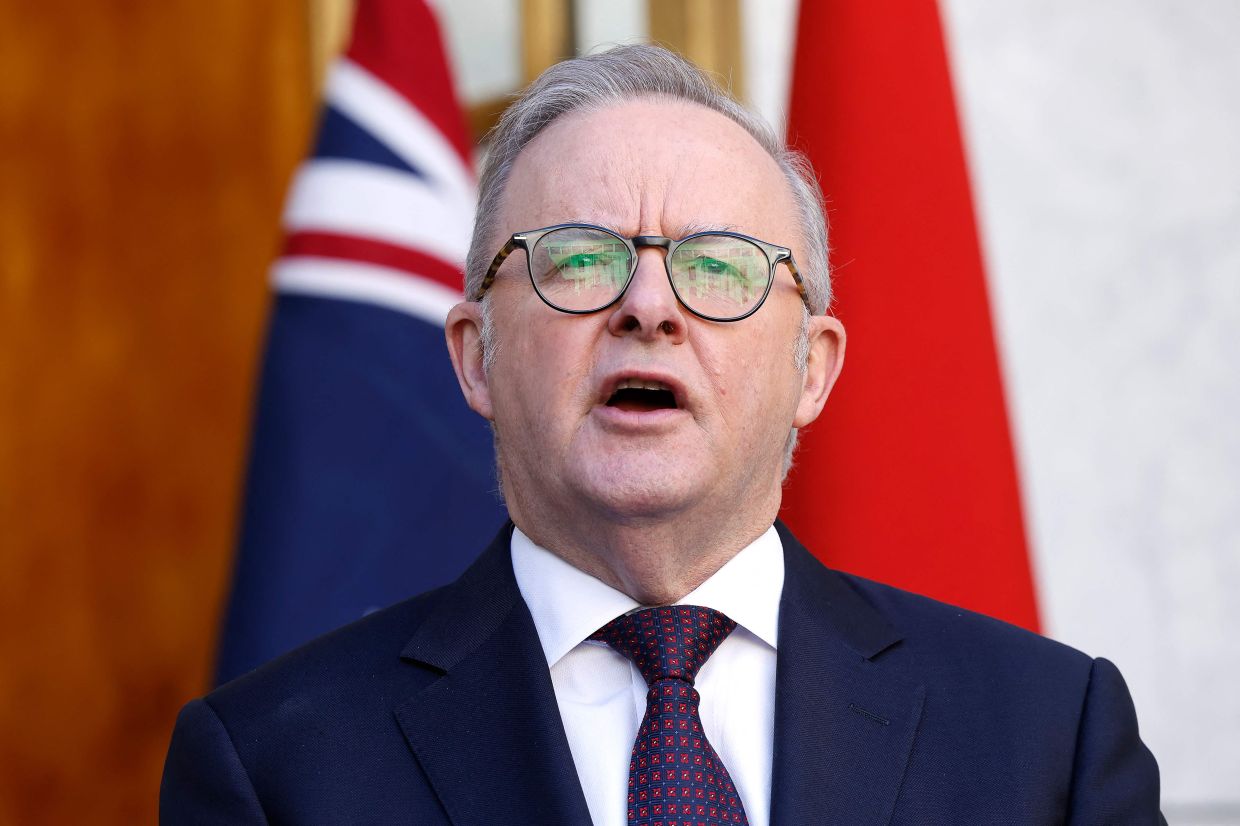
Australian Prime Minister Anthony Albanese has refused to apologise for comments made during a recent podcast interview in which he engaged in crude banter about a premium melon presented to him by Japanese Prime Minister Sanae Takaichi. The controversy erupted this week following the circulation of a recorded conversation, adding to mounting scrutiny of the Australian leader's casual remarks during media appearances. The incident marks the second apology-worthy controversy to emerge from the same Bush Deep podcast interview conducted at Albanese's official residence, following his earlier comments about singer Kylie Minogue that prompted him to seek forgiveness publicly.
The gift of a Japanese royal melon, presented during Takaichi's visit to Australia in May, became the subject of Albanese's jokes during his conversation with host Nikki Osborne. The melon holds particular significance in Japanese culture, where premium varieties are regarded as exclusive luxury goods commanding substantial prices. Japan's former ambassador to Australia highlighted the prestige associated with such gifts, noting that comparable melons regularly sell for more than AUS$270, or approximately US$190, reflecting their status as high-value commodities reserved for special occasions and distinguished recipients.
When Osborne asked whether Takaichi had smuggled the fruit through Australian customs, Albanese responded with a quip about receiving "a couple of melons," a statement loaded with double entendre. The host then interjected with a reference to Pamela Anderson, reinforcing the crude nature of the exchange. Such remarks, while potentially intended as lighthearted banter by Albanese, triggered accusations from political opponents that the comments were disrespectful to both the Japanese leader and her country, particularly given the symbolic weight of diplomatic gift-giving in international relations.
Australia's opposition leaders swiftly seized on the controversy, demanding that Albanese publicly apologise for what they characterised as insulting and disrespectful behaviour toward a key regional ally. The pressure mounted as the story gained traction in both Australian and international media circles, with critics arguing that such casual remarks undermine the dignity expected in high-level diplomatic interactions. For a nation like Australia, which relies heavily on stable relationships with major Indo-Pacific powers including Japan, the controversy raised questions about the appropriateness of the Prime Minister's public conduct and his respect for formal diplomatic protocols.
Albanese's response during parliamentary proceedings on Tuesday demonstrated his determination to sidestep the demands for an apology. When directly questioned about his "disrespectful behaviour," he flatly rejected the premise of the question, stating "I reject the assertion in the question." He moved swiftly to emphasise his regard for the Japanese Prime Minister, asserting that "Prime Minister Takaichi is a friend of Australia and a friend of mine." This approach reflected a calculated political strategy to minimise the diplomatic damage without yielding to opposition demands for contrition, effectively treating the controversy as a partisan attack rather than a genuine breach of diplomatic decorum.
Foreign Minister Penny Wong provided institutional support for the Prime Minister's position, publicly defending Albanese against suggestions that his remarks carried insulting intent. Wong argued that Albanese had been explicit in stating his comments were not designed to cause offence, framing the opposition's interpretation as a deliberate misreading. By having the Foreign Minister weigh in, the government attempted to present a unified front and signal that the diplomatic relationship remained intact despite the embarrassing podcast exchange. This strategy aimed to contain the controversy within domestic political discourse rather than allowing it to escalate into a formal diplomatic incident.
The incident reflects broader concerns about the diminishing boundaries between formal leadership and casual public persona in contemporary politics. Albanese's willingness to engage in crude banter during a podcast interview at his official residence suggests a level of comfort with informality that may not align with the expectations of international diplomacy. For Malaysian observers, the controversy underscores how leaders' unguarded comments can quickly create diplomatic friction, particularly in a region where protocol and formal respect remain culturally significant elements of interstate relations.
Japan's response to the remarks remained measured during the initial phase of the controversy, reflecting diplomatic professionalism and a desire not to escalate tensions with a strategic partner. However, the incident inevitably complicates bilateral relations, introducing an undercurrent of awkwardness that typically characterises such situations. Takaichi, as Japan's first female Prime Minister at the time of her visit, represented a significant diplomatic moment for the two nations, making the subsequent comments appear particularly ill-timed and tone-deaf.
The melon gift itself carries deeper significance than the crude jokes suggested. In Japanese tradition, gifting premium produce represents a mark of respect and esteem, with such presents typically exchanged during important diplomatic visits. By treating the melon as a vehicle for sexual innuendo, Albanese inadvertently demonstrated a lack of cultural awareness regarding the symbolic meaning embedded in Takaichi's gesture. This cultural disconnect highlights the risks inherent in casual, unscripted interactions between world leaders, particularly when recorded and subsequently broadcast to mass audiences.
Looking forward, the controversy may influence how the Australian government structures media appearances by its most senior officials, particularly those conducted in informal settings. The incident demonstrates the persistent challenge that modern political leaders face in balancing accessibility and candour with the expectations of statesmanlike behaviour. For Australia-Japan relations, the measured responses from both governments suggest that the controversy, while embarrassing, is unlikely to derail substantive bilateral cooperation on defence, trade, and regional security matters. Nevertheless, the episode serves as a cautionary tale about the permanent record created by digital media and the enduring consequences of unguarded remarks.

