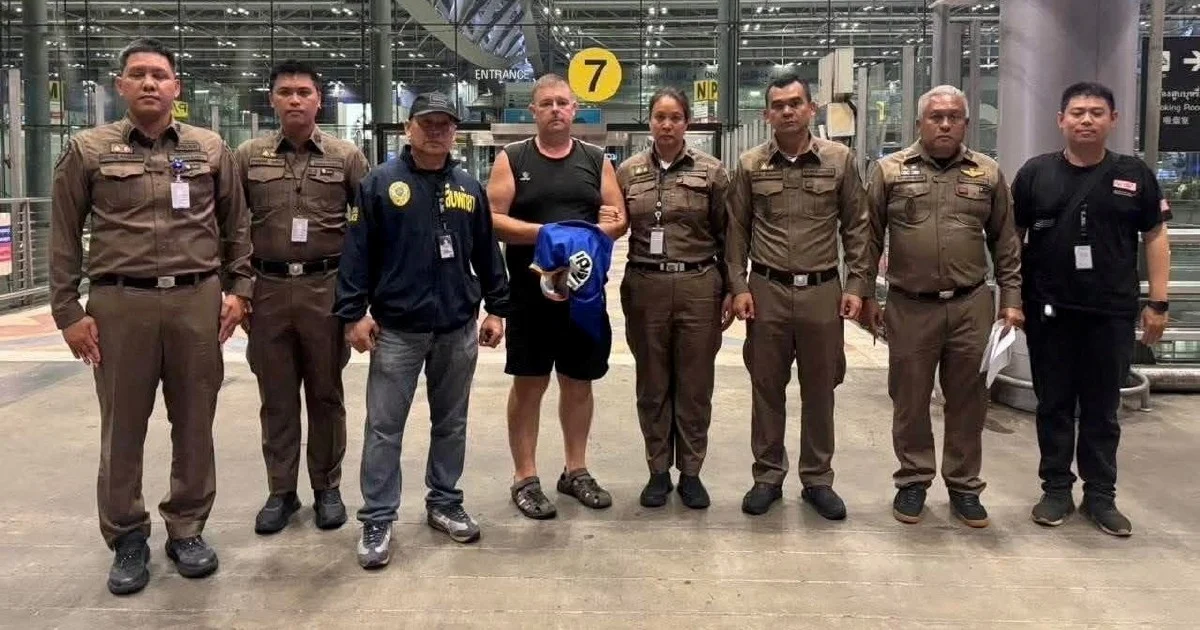
Thai authorities are investigating a homicide case centring on the discovery of a 17-year-old girl's remains in a suitcase at a location in Pattaya, with an Australian national now in custody on murder charges. The case has drawn attention to the safety concerns affecting young women in Thailand's popular tourist destinations, particularly in provinces where transient foreign residents and visitors maintain significant presence.
The girl's family members have conveyed their profound grief following the discovery, describing the circumstances of her death as deeply troubling. Their statement comes as Thai police work to establish the exact sequence of events leading up to her death and the subsequent concealment of her body. The family's cooperation with investigators is considered crucial to understanding what transpired in the hours or days before her remains were discovered.
Pattaya, located roughly 150 kilometres southeast of Bangkok, has experienced significant growth as a beachfront resort destination over the past three decades. The city's economy relies heavily on international tourism, which has also created a transient population of foreign nationals working in hospitality, entertainment, and other service sectors. This demographic composition occasionally creates law enforcement challenges, as does the seasonal influx of tourists from across the globe.
The arrest of the Australian national represents a notable development in a case that has captured local and regional attention. Thai criminal law distinguishes between premeditated murder and other forms of homicide, with sentencing varying considerably based on evidence of intent and circumstances. The specific charges brought against the suspect will likely depend on findings regarding whether the death resulted from deliberate action or arose from circumstances during an altercation.
Investigators in Pattaya have employed forensic analysis and witness testimony to build their case. The discovery methodology—locating the suitcase and identifying its contents—forms a crucial component of the investigative timeline. Police are likely examining transportation records, surveillance footage from relevant locations, and statements from individuals who may have encountered the victim or the accused in the days prior to the discovery.
Thailand's police system has undertaken reforms in recent years to improve coordination between divisions and enhance forensic capabilities. However, language barriers and jurisdictional complexities can sometimes complicate investigations involving foreign nationals. The involvement of an Australian citizen may necessitate consultation with Thai prosecutors experienced in international cases and potentially coordination with Australian authorities depending on the investigation's trajectory.
For Malaysian readers, this incident underscores broader regional patterns regarding tourism safety and the vulnerability of young women in spaces where enforcement may be inconsistent. Southeast Asia's travel corridors attract millions of visitors annually, and incidents involving foreign nationals in tourist hotspots periodically surface across the region. Malaysian authorities maintain liaison channels with their Thai counterparts specifically to address serious crimes affecting nationals or involving international elements.
The family's grief extends beyond personal loss; in Thai society, such cases often trigger broader conversations about protective frameworks for young women and about the responsibilities of communities and authorities in safeguarding vulnerable individuals. The case may prompt discussion regarding monitoring practices at accommodation establishments in Pattaya and elsewhere, particularly regarding vigilance around suspicious activities involving guests.
As the legal process advances, attention will focus on the investigation's findings and the admissibility of evidence under Thai law. The accused individual will have the right to legal representation and due process protections under Thailand's criminal justice system. The court proceedings are expected to proceed through Thai trial courts, potentially extending over several months depending on case complexity and evidentiary requirements.
The incident also reflects the reality that cross-border crimes create intricate challenges for law enforcement agencies across Southeast Asia. Cooperation mechanisms between Thai police and international counterparts become activated in cases involving foreign suspects, particularly when serious crimes are involved. Such cooperation typically encompasses information sharing, witness interviews conducted remotely, and coordination of legal processes.
Local authorities in Pattaya have indicated their commitment to investigating the case thoroughly and pursuing justice for the victim's family. The investigation's progression will likely involve detailed examination of forensic evidence, digital records, and testimonies that may clarify the relationship between the victim and the accused, their interactions, and the circumstances immediately preceding the young woman's death.
The case represents a grim reminder of the dangers that young people, particularly women, may encounter in environments where oversight is insufficient or predatory individuals exploit vulnerabilities. Community awareness campaigns and parental guidance regarding safety in tourist areas remain critical components of broader protective strategies employed across the region.

