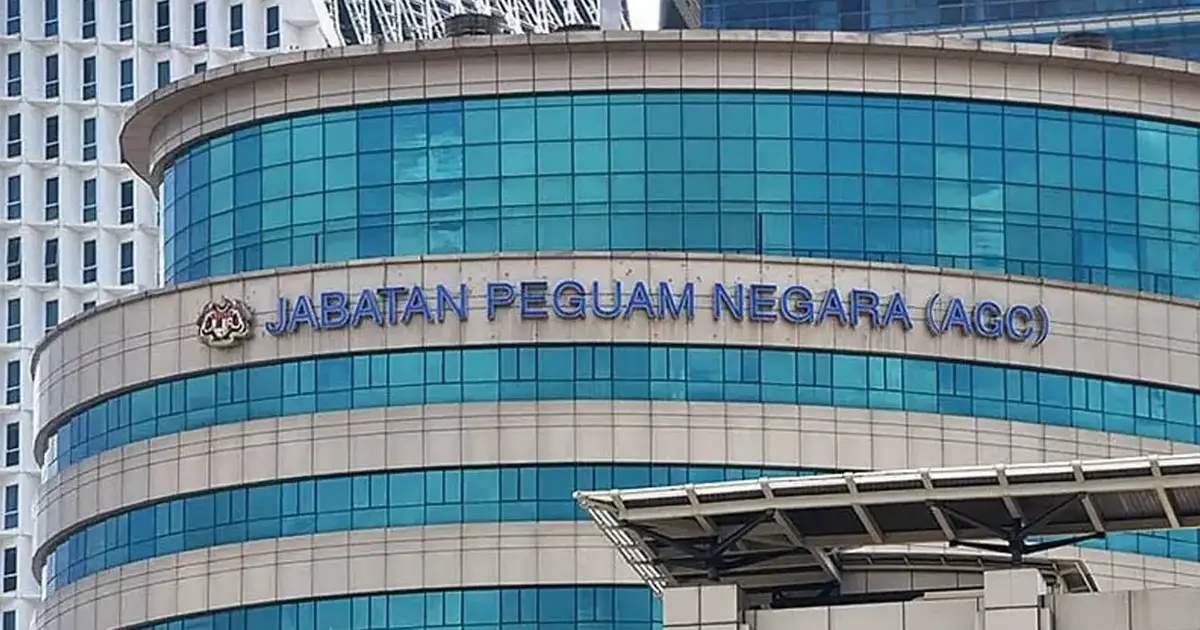
The Attorney-General's Chambers (AGC) is still reviewing investigation files related to the Durian Tunggal matter more than a month after they were resubmitted, according to statements from government officials. The extended timeline has drawn fresh calls from the Home Minister for stakeholders and the public to respect the pace of Malaysia's judicial system and allow legal proceedings to advance without external pressure.
The Durian Tunggal investigation has become a notable case in Malaysia's law enforcement landscape, with the resubmission of materials suggesting either the need for additional information, clarification on specific points, or more comprehensive evidence gathering. Multiple submissions of investigation papers typically indicate that either investigators needed to address gaps identified by prosecutors, or the AGC required further documentation to support potential charges. The iterative nature of this process reflects the complexity inherent in serious criminal investigations within Malaysia's legal framework.
During a recent statement, the Home Minister emphasized the importance of allowing established legal channels to operate without interference, stressing that premature public commentary or political pressure could undermine the integrity of ongoing proceedings. His remarks underscore tension that sometimes emerges in high-profile Malaysian cases, where public interest and media coverage can intensify pressure on investigating agencies and prosecutors to accelerate their work, potentially at the expense of thoroughness. The official position advocates for a methodical approach that prioritises accuracy and adherence to proper procedures over speed.
The fourth submission of investigation papers marks a significant checkpoint in what appears to be an extended prosecutorial review process. The fact that materials have been resubmitted multiple times suggests that the initial investigation file may not have met prosecutorial standards for moving forward, or that additional investigative steps were deemed necessary. This cycle of submissions and reviews, while potentially frustrating to those awaiting closure, is not uncommon in Malaysia's criminal justice system, particularly in matters that may carry substantial legal or public implications.
For Malaysian legal observers, this case illustrates the distinction between the role of the Royal Malaysia Police or other investigating agencies and that of the AGC. While police conduct the investigation and compile evidence, it is ultimately the AGC's responsibility to determine whether sufficient grounds exist to proceed with charges. This prosecutorial discretion is a cornerstone of the Malaysian legal system, designed to filter cases and ensure that only those with adequate evidentiary foundation move to court.
The timeline of the Durian Tunggal investigation also raises questions about resource allocation within the AGC, which handles numerous cases simultaneously across multiple legal domains including criminal, commercial, and constitutional matters. The extended review period may reflect the complexity of the evidence, the number of potential charges being considered, or competing demands on prosecutorial resources. Understanding these systemic realities helps contextualize the delays without attributing them to inaction or negligence.
From a Southeast Asian perspective, Malaysia's approach to prosecutorial review mirrors systems in other common law jurisdictions in the region, where prosecutors maintain significant authority in filtering cases before they reach trial. However, the transparency and timeline expectations vary considerably across the region, with some jurisdictions operating under tighter statutory deadlines for prosecutorial decisions. The Malaysian model allows for more flexible timelines, which can accommodate thorough review but may test public confidence when timelines extend significantly.
The Home Minister's recent call for patience reflects broader governance concerns about maintaining institutional credibility and public confidence in law enforcement and justice mechanisms. When investigations extend over lengthy periods without public updates, speculation and criticism can erode faith in the system, even when delays are justified by legitimate investigative or prosecutorial needs. His intervention attempts to reframe the narrative around the investigation, encouraging stakeholders to view the extended timeline as evidence of diligence rather than obstruction.
Government observers and legal analysts have noted that the Durian Tunggal case occurs within a broader context of Malaysian law enforcement modernization and efforts to enhance investigative standards. If the investigation demonstrates commitment to comprehensive fact-finding and adherence to evidentiary protocols, it could serve as a positive example of thorough prosecutorial scrutiny. Conversely, if delays eventually result in decisions to discontinue investigation or decline prosecution, questions may emerge about whether the extended timeline ultimately served accountability or protected particular interests.
The ongoing review also highlights the complex intersection between political expectation, public interest, and legal process in Malaysia. High-profile investigations inevitably attract political attention and media scrutiny, yet the independence of prosecutorial decision-making depends on insulating these judgments from external pressure. The Home Minister's remarks, while urging patience, also implicitly acknowledge that such pressure exists and must be actively managed to preserve institutional integrity.
Moving forward, the resolution of the Durian Tunggal matter—whether through prosecution, further investigation, or discontinuation—will likely carry implications for public perception of Malaysia's law enforcement system. The manner in which the case concludes and the extent to which authorities provide transparent explanation for their prosecutorial decisions may influence broader confidence in institutional fairness and commitment to accountability. For Malaysian citizens and regional observers, this investigation represents a test case in whether Malaysia's legal institutions can navigate complex matters with both thoroughness and transparency.
The anticipated next steps in the Durian Tunggal investigation remain unclear, with no official timeline provided for when the AGC review will conclude or what determinations may follow. The case continues to underscore the importance of robust investigative practices and prosecutorial scrutiny, even when the extended timelines test the patience of those awaiting resolution.

