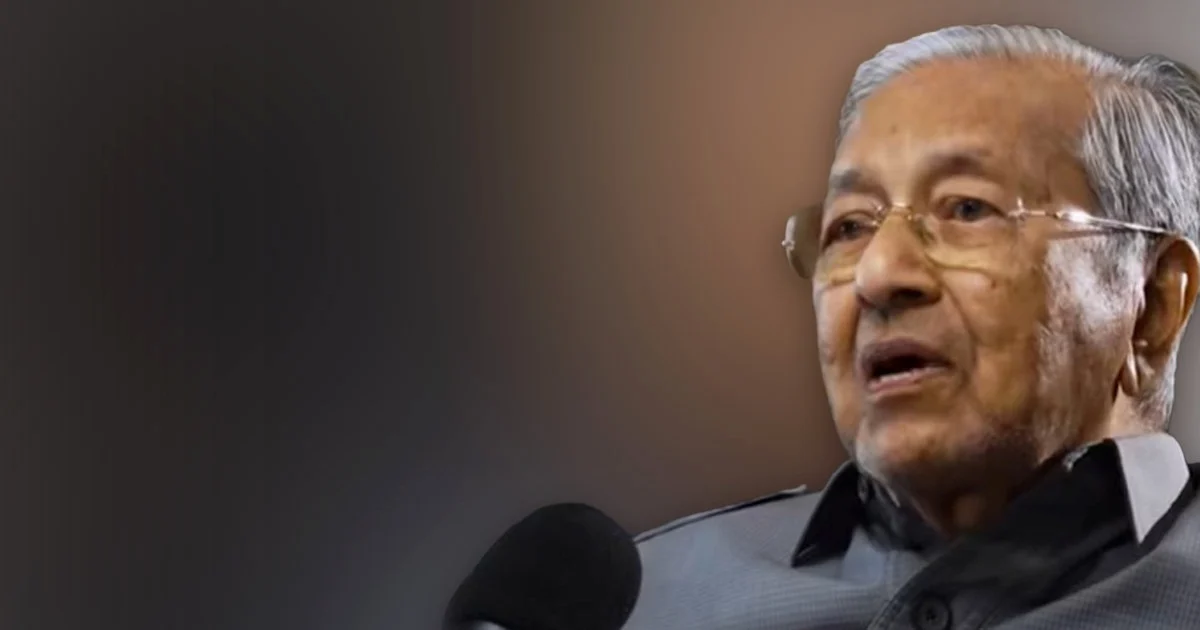
Tun Dr Mahathir Mohamad, Malaysia's longest-serving prime minister, has marked his 101st birthday by dispensing counsel on the foundations of longevity and vitality in his advanced years. The elder statesman's reflections come as the nation grapples with an increasingly ageing population, a demographic shift that carries profound implications for healthcare systems, social support structures, and public policy across Southeast Asia.
The centred theme of Tun Mahathir's philosophy addresses a deceptively simple yet profoundly consequential principle: the necessity of maintaining disciplined dietary habits and resisting the cultural tendency to conflate consumption with celebration. His assertion that one should "eat to live, not live to eat" strikes at a fundamental tension in contemporary Malaysian society, where culinary abundance and the social rituals surrounding food have become increasingly central to daily life. This perspective challenges the prevailing attitudes toward nutrition that often prioritise immediate gratification over long-term physiological wellbeing, particularly relevant in a nation where obesity and diet-related chronic diseases have emerged as significant public health concerns.
Tun Mahathir's longevity at 101 positions him as a living testament to the efficacy of disciplined lifestyle choices sustained over decades. His generation witnessed Malaysia's transformation from a colonial possession to a fully independent nation, yet he has remained intellectually engaged and physically present in public discourse. This sustained engagement and apparent physical vitality distinguish him among his contemporaries, many of whom have not survived to observe the major transitions that have characterised Malaysia's political and economic trajectory. The cultural significance of his continued presence cannot be overstated; he embodies continuity with the nation's founding principles while remaining an active commentator on its contemporary challenges.
The intersection of Tun Mahathir's personal wellness practices and broader public health considerations deserves careful examination. Malaysia's healthcare infrastructure and gerontological services must accommodate an expanding elderly population, with projections indicating that citizens aged 65 and above will comprise an increasingly substantial proportion of the nation's demographic composition. The implications extend to resource allocation, caregiver training, accessibility of medicines, and long-term care facilities. Preventative approaches emphasising lifestyle modification—as exemplified by Tun Mahathir's philosophy—could substantially alleviate pressure on tertiary healthcare systems burdened with managing preventable chronic diseases among ageing populations.
The concept of nutritional discipline resonates particularly within Malaysia's multicultural context, where diverse food traditions coexist and evolve. Chinese longevity practices emphasising balance and restraint, Islamic principles regarding moderation as articulated in Quranic teachings, and traditional Malay wellness knowledge all converge on similar principles of dietary temperance. Tun Mahathir's articulation of this wisdom in contemporary language bridges generational and cultural divides, rendering ancient principles relevant to modern Malaysians navigating food choices in an environment of unprecedented accessibility and marketing-driven consumption.
Beyond dietary considerations, the former premier's testimony to sustained longevity invites reflection on the cumulative effects of consistent lifestyle choices. Discipline maintained across decades produces compounding physiological benefits that become increasingly apparent in the eighth, ninth, and tenth decades of life. This perspective contrasts sharply with the instant-gratification mentality prevalent in modern consumer societies, where investments in personal health are frequently deferred in favour of immediate pleasures. Tun Mahathir's continued intellectual acuity and physical presence suggest that such disciplined approaches yield dividends extending beyond mere lifespan extension into quality of life maintenance.
The gerontological dimension of Tun Mahathir's reflections assumes heightened importance across Southeast Asia, where rising middle classes have simultaneously increased affluence and altered traditional eating patterns. Younger generations, increasingly removed from agricultural livelihoods and traditional food preparation practices, face distinctive challenges in maintaining moderate consumption patterns amid ubiquitous processed foods and restaurant dining cultures. The former prime minister's articulation of eating philosophy provides a cultural reference point through which Malaysian youth might reconsider their relationship with food and consumption patterns established in their formative years.
Malaysia's rapidly ageing society necessitates comprehensive policy frameworks addressing the needs of elderly citizens. Healthcare planners, gerontologists, and social policy architects must consider not merely reactive treatment of age-related diseases but proactive promotion of the lifestyle modifications that evidence increasingly suggests contribute to extended healthspan—the proportion of lifespan characterised by independence and vitality rather than frailty. Tun Mahathir's embodiment of such principles offers tangible validation of approaches that government health campaigns might emphasise more prominently.
The symbolism of Tun Mahathir reaching 101 carries particular resonance given Malaysia's aspirations toward elevated development status and quality of life improvements. A nation whose elder statesmen demonstrate vitality and continued intellectual engagement projects confidence and stability. The contrast between his sustained engagement and the patterns of retirement or decline visible among his international contemporaries highlights the diverse pathways through which ageing populations may be experienced and expressed. His continued participation in public discourse, rather than withdrawal from engagement, models alternative approaches to later life that challenge passive conceptualisations of old age.
Looking forward, Tun Mahathir's health philosophy merits integration into Malaysia's public health messaging and educational frameworks. Schools, community health centres, and workplace wellness programmes might leverage his authority and accessibility as a figure to articulate principles of dietary moderation and long-term lifestyle discipline. The intersection of his role as founding father with his personal embodiment of longevity principles creates a powerful synergy through which abstract health recommendations gain cultural resonance and historical legitimacy. His message transcends mere personal anecdote to represent tested principles validated across a full century of Malaysian independence and transformation.

