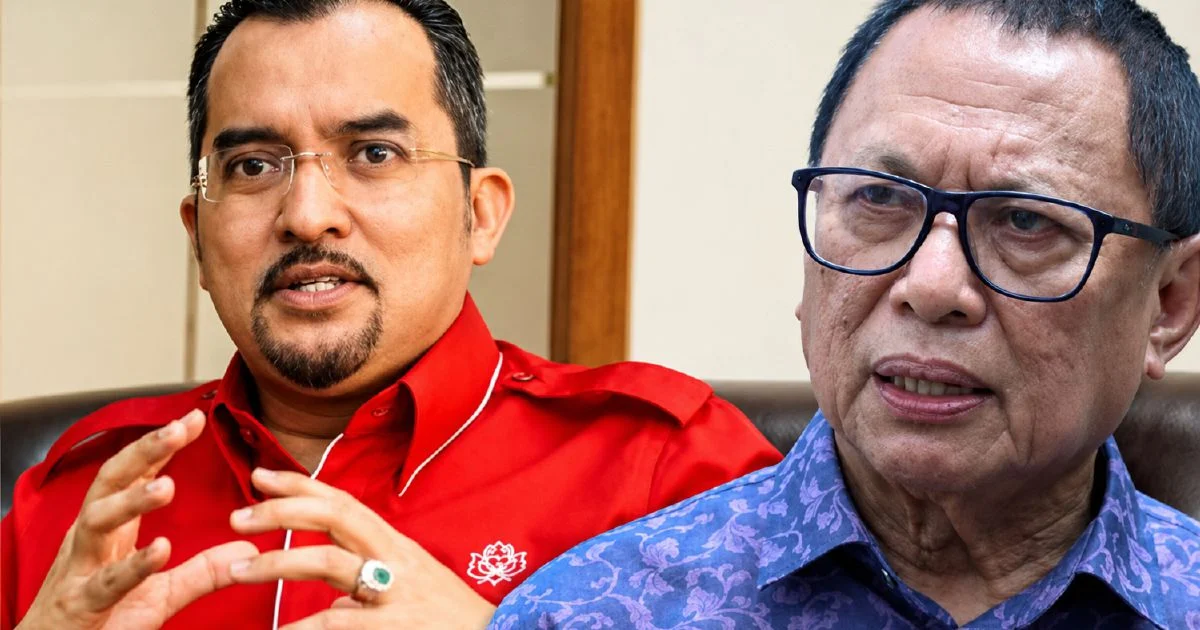
The leadership of UMNO found itself embroiled in a public confrontation when Asyraf Wajdi Dusuki, serving as the party's secretary-general, directly rebutted allegations and claims made by Mohd Puad Zarkashi in relation to his exit from the party. Speaking in Johor Baru, Asyraf Wajdi adopted a combative stance to counter what he characterised as unsubstantiated assertions accompanying Puad Zarkashi's resignation, signalling deepening fractures within Malaysia's oldest political party.
The exchange represents a significant crack in UMNO's facade of unity at a time when the party continues to navigate electoral pressures and internal factional tensions. Such public disputes between senior figures risk undermining party cohesion and sending mixed signals to grassroots members, particularly during periods of critical political recalibration. The timing of this confrontation underscores persistent vulnerabilities within UMNO's organisational structure, where ideological divisions and personal ambitions frequently collide in the political arena.
Puad Zarkashi's departure announcement reportedly included claims touching on palace involvement in party matters, a particularly sensitive assertion in Malaysia's political landscape where the institution of monarchy maintains considerable symbolic and constitutional significance. These allegations, whether substantiated or not, carry considerable weight given the traditional reverence accorded to royal prerogatives in Malaysian politics and the deep historical relationship between UMNO and the Malay rulers.
Ashyraf Wajdi's forceful response suggests the secretary-general viewed Puad Zarkashi's statements as sufficiently damaging to warrant immediate and public rebuttal rather than allowing such claims to circulate unchallenged. This defensive posture reveals concern within the party hierarchy about narrative control and the potential implications of allowing critical voices to shape public perception of UMNO's internal dynamics and governance standards.
The nature of their disagreement touches on fundamental questions about party autonomy, institutional integrity, and the appropriate relationship between political movements and state institutions. For Malaysian political observers, this episode illustrates the recurring tension between preserving institutional deference and addressing legitimate concerns about political governance and accountability within party structures.
Context matters considerably here. UMNO has historically positioned itself as the custodian of Malay-Muslim interests and as the dominant force within successive coalitions. However, recent electoral setbacks and internal leadership struggles have prompted soul-searching within the party about its future direction and organisational effectiveness. When senior figures engage in public recriminations, it amplifies anxieties about whether the party possesses sufficient internal discipline and coherent strategic vision to address these broader challenges.
The specific allegations regarding palace involvement warrant careful consideration. In Malaysian politics, even circumspect references to royal intervention carry disproportionate weight and can inflame sentiment among both party loyalists and the broader electorate. Puad Zarkashi's decision to inject palace claims into his resignation commentary suggests these matters weighed heavily on his decision to depart, whether motivated by genuine principle or other considerations.
Ashyraf Wajdi's departmental responsibilities as secretary-general place him at the epicentre of party administration and discipline. His decision to engage in direct confrontation with Puad Zarkashi indicates he viewed the latter's statements as threatening to party credibility and potentially violating internal protocols governing how members communicate dissent. This interpretation reflects the secretary-general's custodial role regarding institutional reputation and organisational standards.
Beyond the immediate personalities involved, this dispute carries ramifications for how Southeast Asia's most durable political parties manage internal dissent during periods of institutional stress. Democratic values theoretically embrace the right of party members to express disagreement and exit organisations freely, yet established political movements often resist open criticism or maintain informal pressures discouraging public confrontation.
The Malaysian electorate observes such internal dynamics closely, inferring lessons about party stability, leadership competence, and organisational health. Public disputes between senior figures can energise opposition parties while demoralising ordinary members who joined UMNO expecting disciplined, cohesive political organisation. This dynamic compounds existing vulnerabilities facing the party in contemporary Malaysian politics.
Moving forward, how UMNO manages this particular confrontation may establish precedents for addressing future internal dissent. Should Asyraf Wajdi's response succeed in dampening Puad Zarkashi's influence and containing the narrative, it signals that senior party leadership can suppress critical voices through institutional authority. Conversely, if Puad Zarkashi's departure generates broader questioning about party governance, the episode could catalyse deeper reckoning within UMNO about structural reforms and leadership accountability.
The palace allegations remain particularly significant. These claims, whether eventually substantiated or dismissed as baseless grievances, represent precisely the type of sensitive institutional matters that Malaysian politics typically handles discretely. Their public airing through resignation communications suggests either unusual frustration on Puad Zarkashi's part or calculation that external disclosure might amplify his concerns more effectively than internal channels.
For Malaysian politics observers and UMNO stakeholders alike, this incident serves as barometer for the party's capacity to navigate contemporary challenges while maintaining organisational unity. The coming weeks will reveal whether this constitutes a temporary dust-up between ambitious figures or harbinger of more fundamental institutional instability within UMNO's leadership structures.

