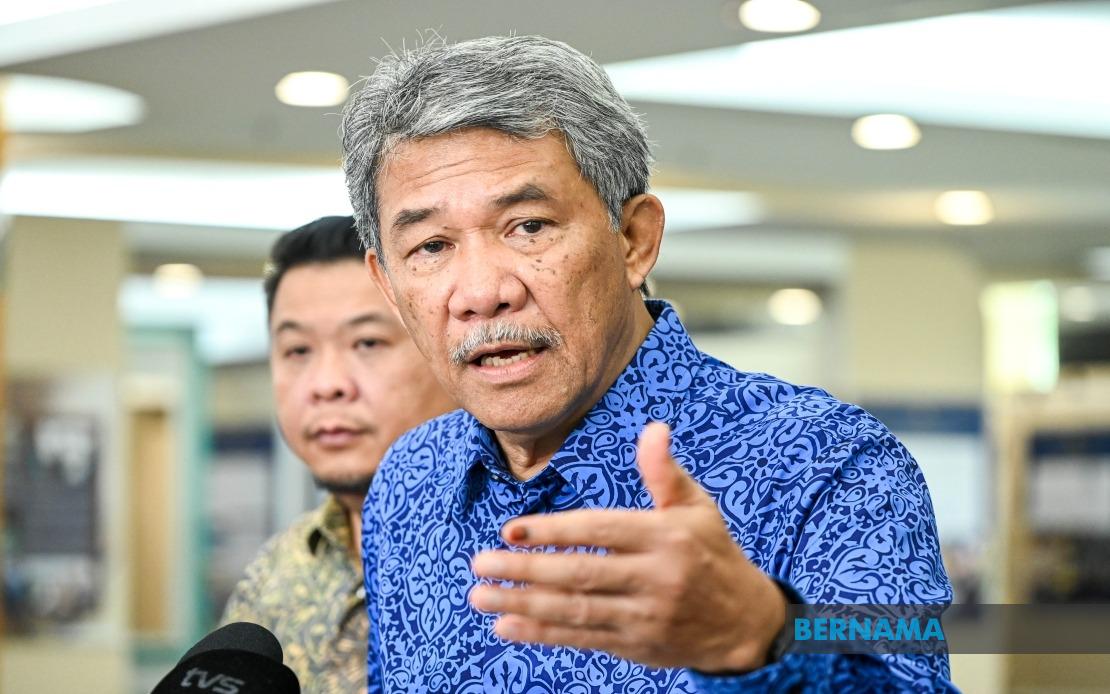
ASEAN faces a fundamental challenge in its quest to emerge as the world's fourth-largest economic bloc by 2030: the ten-nation bloc conducts less than a quarter of its total trade within its own borders, creating substantial untapped potential that could unlock trillions in economic value. Foreign Minister Datuk Seri Mohamad Hasan highlighted this structural weakness during remarks at the 59th ASEAN Day celebrations in Putrajaya on Monday, emphasizing that the regional grouping has shifted its strategic focus beyond traditional political dialogues toward concrete economic integration.
The existing framework of intra-ASEAN trade, currently representing less than 25 per cent of the bloc's overall commerce, stands as a significant constraint on regional prosperity and geopolitical influence. For Southeast Asia to crystallise its vision of becoming a major economic powerhouse by the end of this decade, member nations must substantially elevate the volume and value of goods and services flowing between themselves. Mohamad's articulation of this challenge signals growing recognition among ASEAN leadership that political cooperation, while essential, must be accompanied by deepened commercial interdependence to achieve the bloc's economic aspirations.
ASEAN's transition from a primarily security-focused regional organisation to one pursuing integrated economic development represents a strategic realignment of priorities. The bloc now views economic collaboration as equally vital to maintaining regional stability and advancing shared prosperity. This shift acknowledges that in an increasingly multipolar global economy, ASEAN must leverage its combined market of over 600 million people and diverse resource base to compete effectively with larger economic powers and blocs.
The regional organisation already possesses institutional mechanisms designed to facilitate cross-border commerce, most notably the free movement of goods among member states. These frameworks theoretically enable seamless trade flows comparable to advanced economic unions, yet their underutilisation suggests implementation gaps or structural barriers that continue to impede full realisation of their potential. The discrepancy between available trade infrastructure and actual intra-ASEAN commerce patterns points to non-tariff obstacles, regulatory inconsistencies, and logistical challenges that require focused remedial action.
Malaysia's tenure as ASEAN chair during the previous year established several initiatives and resolutions intended to strengthen the foundation for sustained economic growth across the bloc. These foundational elements, crafted through the Kuala Lumpur Declaration and related instruments, provide a policy roadmap for advancing regional economic objectives. The incoming Philippine chairmanship, which assumed stewardship of ASEAN affairs in 2024, continues building upon these templates, ensuring continuity in the region's economic agenda despite annual rotation of leadership.
Malaysia's assumption of the role as Permanent Shepherd of the ASEAN Community 2045 vision signals long-term commitment to nurturing the bloc's economic development trajectory. This designated responsibility carries particular significance for Malaysia's regional influence and its capacity to shape how ASEAN calibrates its ambitions through the coming decades. By positioning itself as custodian of the 2045 vision, Malaysia assumes stewardship for ensuring that member nations remain aligned with collective long-term objectives, including the strengthening of intra-regional trade relationships.
The current state of ASEAN's internal trade patterns reflects both historical legacies and contemporary constraints. Colonial-era trade relationships often oriented Southeast Asian economies toward extra-regional partnerships with former colonial powers and other distant markets, creating entrenched commercial networks that persist despite political independence. Additionally, competitive positioning among member states—where several nations produce similar goods and services—has sometimes discouraged intra-regional commerce in favour of trade with non-ASEAN partners seeking complementary products.
Forests of unrealised economic potential lie between ASEAN's theoretical capacity and current performance. If member states could incrementally increase the proportion of internal trade from below 25 per cent toward levels approaching 35 to 40 per cent within the next six years, the resulting expansion would generate hundreds of billions of dollars in additional economic activity. This amplification would strengthen member nations' domestic industries, create employment opportunities, and enhance regional resilience to external economic shocks by reducing dependence on fluctuating global demand.
The challenge confronting ASEAN policymakers involves identifying and dismantling specific barriers preventing greater trade integration. These obstacles may encompass regulatory fragmentation across member states, inadequate transportation and logistics infrastructure connecting the region's diverse markets, currency volatility, and persistent mistrust regarding intellectual property protections and contract enforcement. Addressing these impediments requires coordinated action transcending bilateral negotiations, necessitating multilateral frameworks that establish common standards and dispute resolution mechanisms.
For Malaysia and other ASEAN members, enhanced intra-regional trade offers strategic benefits extending beyond aggregate economic growth. Deepened commercial ties create mutual economic interests that support political stability and reduce the likelihood of regional conflicts rooted in resource competition. Furthermore, as supply chains become increasingly integrated across Southeast Asia, member states accumulate greater negotiating leverage in bilateral discussions with non-ASEAN partners, whether in trade negotiations or investment agreements.
The pathway toward ASEAN's economic transformation requires sustained political will from member governments, supported by business communities recognising opportunities in neighbouring markets. Regional development banks and international financial institutions can facilitate connectivity improvements and capacity building initiatives that reduce structural barriers to trade. Additionally, digital platforms and fintech innovations offer mechanisms for simplifying cross-border transactions and reducing transaction costs that currently impede smaller enterprises' participation in intra-regional commerce.
ASEAN's 2030 economic vision remains achievable, yet demands concerted effort to convert existing frameworks into functional mechanisms generating meaningful trade expansion. The window for achieving this transformation narrows as other global economic blocs consolidate competitive advantages, making urgency appropriate for regional leaders contemplating economic integration strategies. Malaysia's commitment to shepherding this vision through its custodial role suggests the nation recognises that ASEAN's collective prosperity ultimately determines individual member states' prosperity in an interconnected regional economy.

