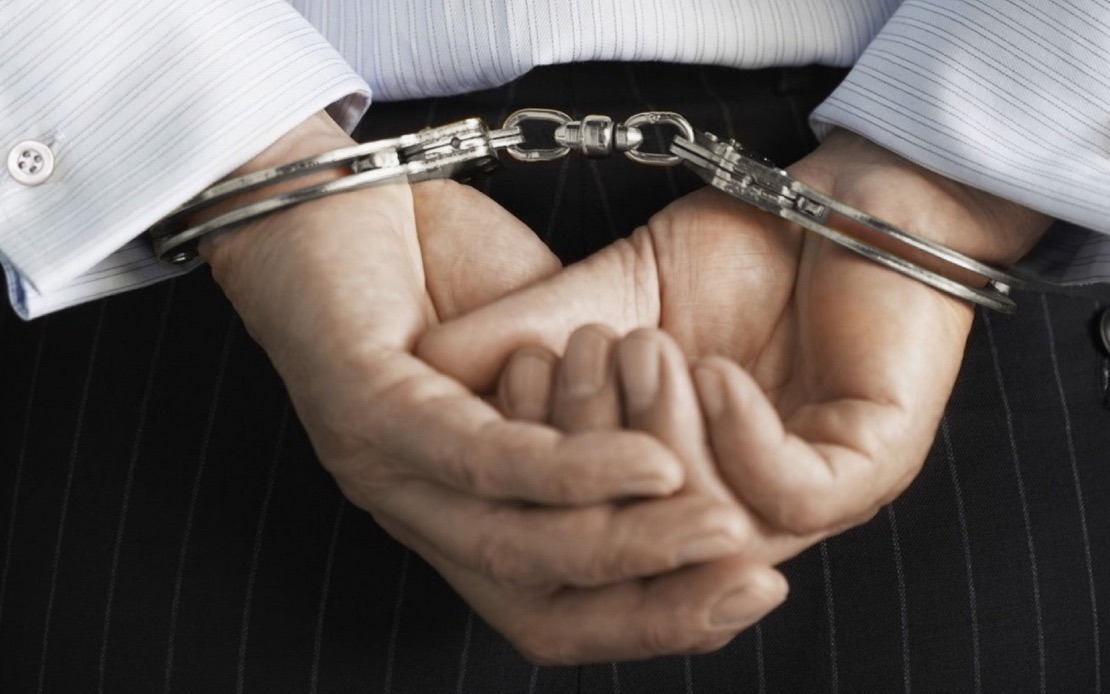
An armed individual was taken into custody at Donald Trump's golf course in the Rancho Palos Verdes area of California following a security incident that unfolded just days before the former president was due to visit the facility for a Republican Party fundraising event. The Los Angeles County Sheriff's Department disclosed the arrest on Tuesday, underscoring the persistent security challenges that have shadowed Trump in recent months as he maintains a public profile across multiple residences and venues.
Uniformed officers operating in plain clothes first detected the suspicious individual on the Trump National Golf Course grounds on Sunday. The man's behaviour immediately raised alarms amongst security personnel—he was observed taking photographs and recording video footage while apparently conducting surveillance of the facility's security infrastructure and operational protocols. This deliberate documentation of security arrangements, rather than casual photography, prompted authorities to intervene and detain the suspect for questioning.
The arrest itself yielded significant discoveries that deepened concerns about the suspect's intentions. Officers initially found ammunition and a 16-round magazine on the man's person during the apprehension. However, the subsequent search of his vehicle revealed considerably more alarming material: a loaded pistol accompanied by an additional loaded magazine, indicating the individual was equipped with operational firepower at the time of his detention.
The scope of the investigation expanded further when law enforcement conducted a search of the suspect's residence. That examination uncovered an extensive cache of weapons and ammunition, alongside body armour equipment typically associated with armed confrontation scenarios. Investigators also discovered radio signal detection devices, suggesting the individual may have been attempting to monitor or intercept communications. Most troubling to authorities were multiple notebooks discovered at the residence containing what police characterised as concerning statements, though the specific nature of these writings has not been publicly disclosed.
The timing of the incident carried particular significance given Trump's scheduled itinerary. The Republican Party had organised a fundraising dinner at the golf course for Tuesday evening, requiring the former president to visit the facility and exposing him to potential risk. The discovery of the armed individual just days before this planned appearance raised inevitable questions about how the suspect gained access to the property and whether his surveillance activities had uncovered security vulnerabilities.
The arrest represents merely the latest in an escalating series of security incidents involving Trump that have alarmed both protective services and the broader public. The pattern of attempted or actual violence targeting the former president has become sufficiently pronounced to warrant serious consideration of systemic vulnerabilities in how high-profile political figures are shielded from harm in an era of readily available weapons and ideologically motivated threats.
In April of this year, the security situation deteriorated dramatically when gunshots erupted at a press dinner in Washington, forcing Secret Service personnel to rapidly evacuate Trump and his wife from the venue and compelling organisers to terminate the event entirely. This incident demonstrated that threats could emerge even within supposedly secure, controlled indoor environments attended by media personnel and other invited guests.
The dangers facing Trump have not been confined to mainland locations. In February, an armed individual breached the perimeter of Mar-a-Lago, Trump's Florida residence, prompting armed authorities to engage and fatally shoot the intruder. This incident illustrated the vulnerability of even fortified private properties to determined actors willing to risk lethal force.
The security lapses became international news following the Pennsylvania campaign event in 2024, when shots were fired at Trump while he was addressing supporters. The gunfire struck him in the ear, though fortunately not causing life-threatening injury. This assassination attempt shocked the nation and triggered intensive review of campaign security protocols and public event management procedures across the political landscape.
Later during the 2024 election cycle, Secret Service agents responded to another threat at Trump's West Palm Beach golf facility when they identified an armed individual concealed in vegetation near the property. Agents engaged the suspect, who was believed to be positioning himself to carry out an attack against Trump. The shooting eliminated an immediate threat but raised uncomfortable questions about how an armed individual managed to approach the former president's location despite security measures.
For Malaysian observers and Southeast Asian readers monitoring American political developments, these recurring security incidents highlight the profound challenges facing democratic societies attempting to protect senior political figures whilst maintaining the public accessibility that democracy demands. The apparent difficulty in preventing armed individuals from approaching or surveilling Trump—despite his substantial resources and security arrangements—suggests broader systemic issues with threat detection, access control, and the proliferation of weapons that transcend any single individual or protective detail.
The California incident also underscores how political polarisation in the United States has created an environment where individuals may be motivated to undertake reconnaissance, surveillance, or violent action against prominent political figures. The progression from peaceful political disagreement to armed confrontation represents a concerning trajectory that international observers watch with considerable apprehension, given America's global influence and the potential consequences of political instability within the world's leading democratic power.

