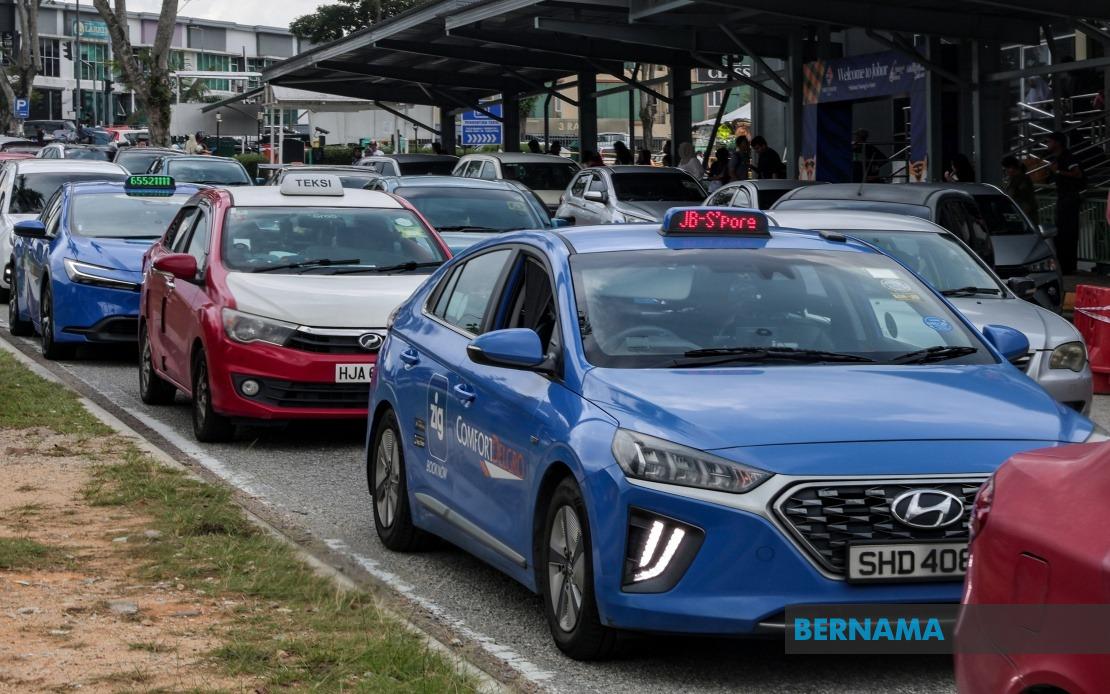
The Land Public Transport Agency (APAD) has announced a significant clarification to the rules governing Malaysia's National MADANI Taxi Renewal Programme, permitting drivers to register or replace their vehicles with alternatives to the designated Proton S70 model. The announcement, made in Putrajaya on August 7, acknowledges practical constraints faced by participating taxi operators and represents a pragmatic adjustment to the initial framework established when the Transport Ministry detailed the initiative's parameters on April 23.
While the government's primary objective remains encouraging drivers to transition to the new Proton S70 taxi package and embrace the modernisation principles underlying Teksi MADANI, the flexibility recognises that not all applicants can successfully meet the financial requirements tied to the programme. Specifically, APAD indicated that drivers who already own working vehicles or those denied hire-purchase financing approval under the Teksi MADANI scheme retain the option to continue operating using vehicles of their own selection. This accommodation effectively creates a two-track system within the broader renewal initiative, balancing the government's vision for a transformed taxi sector with the economic realities of individual operators.
The Proton S70 was strategically selected as the official taxi model under the programme, offering a contemporary aesthetic that abandons the traditional rooftop signage in favour of a sleeker design, while vehicles registered under the initiative bear a distinctive registration series commencing with the letters "GET". This modernisation carries symbolic weight beyond mere appearance, positioning Malaysia's taxi fleet alongside contemporary vehicle standards and enhancing the sector's competitive positioning against ride-hailing services that have reshaped urban transport preferences across Southeast Asia.
Teksi MADANI, formally launched by Prime Minister Datuk Seri Anwar Ibrahim on July 3, represents a fundamental restructuring of Malaysia's taxi ownership model. Historically, the sector operated predominantly through leasing arrangements whereby drivers never achieved genuine ownership of their vehicles. This transformation programme directly addresses that structural limitation by enabling drivers to become legal proprietors of new taxis, thereby potentially improving their long-term economic prospects and professional autonomy within the industry.
The programme's financial backbone has been reinforced through government support mechanisms designed to facilitate participation. The Prime Minister announced an additional allocation of RM10 million specifically for the Old Vehicle Replacement Matching Grant Programme targeting taxi drivers, supplementing the initial RM10 million allocation integrated into Budget 2026 for Teksi MADANI's implementation. These financial commitments reflect the government's commitment to easing the transition burden on an industry that has faced sustained pressure from digital transportation platforms and evolving consumer preferences.
For Malaysian taxi drivers confronting the decision of whether to participate in the modernisation initiative, the clarification from APAD provides valuable relief. Those who have already invested capital in existing vehicles, or who encountered obstacles in securing financing approval from lending institutions, can maintain their current operations without penalty. Existing taxis that remain outside the renewal programme continue to be permitted on Malaysian roads until they reach their designated vehicle age limits, ensuring a gradual rather than abrupt sectoral transformation.
The flexibility announced today also reflects broader policy lessons learned across Southeast Asia regarding transport sector reforms. Similar initiatives in neighbouring economies have discovered that rigid mandates regarding vehicle specifications, while theoretically cleaner in implementation, often produce unintended consequences when operator participation lags due to financial constraints or pre-existing investment commitments. By permitting alternatives while maintaining incentives for participation in the primary Proton S70 pathway, APAD attempts to navigate between transformational ambition and pragmatic inclusivity.
For Malaysian consumers and the broader transportation ecosystem, the distinction between Teksi MADANI participants driving Proton S70s and traditional operators utilising other models will become increasingly visible on streets across major urban centres. The GET registration prefix will serve as an immediate identifier of modernised taxis operating under the new ownership framework, potentially becoming a quality signal that influences rider perceptions and driver preferences over time.
The announcement also carries implications for Malaysia's automotive sector and the Proton brand's commercial trajectory. While the government has attempted to distribute renewal programme benefits by guaranteeing substantial taxi fleet demand for the S70 model, the availability of alternative pathways reduces the mandatory volume that Proton might have initially anticipated. Nonetheless, competitive pressure within the programme itself—where drivers choosing non-Proton S70 alternatives forgo certain programme incentives—may still deliver meaningful sales volumes to the national carmaker.
Looking forward, the success of Teksi MADANI will ultimately be measured by participation rates and the tangible improvements to driver livelihoods and service quality that materialise over time. The APAD's flexibility announcement demonstrates administrative responsiveness to real-world implementation challenges, yet the broader question remains whether sufficient incentives exist to drive meaningful transition beyond the baseline requirement for continued vehicle operation. As urban areas across Malaysia grapple with transportation adequacy and the taxi sector confronts structural competition, the evolution of this modernisation programme warrants continued monitoring by policymakers, industry stakeholders, and consumer advocates alike.

