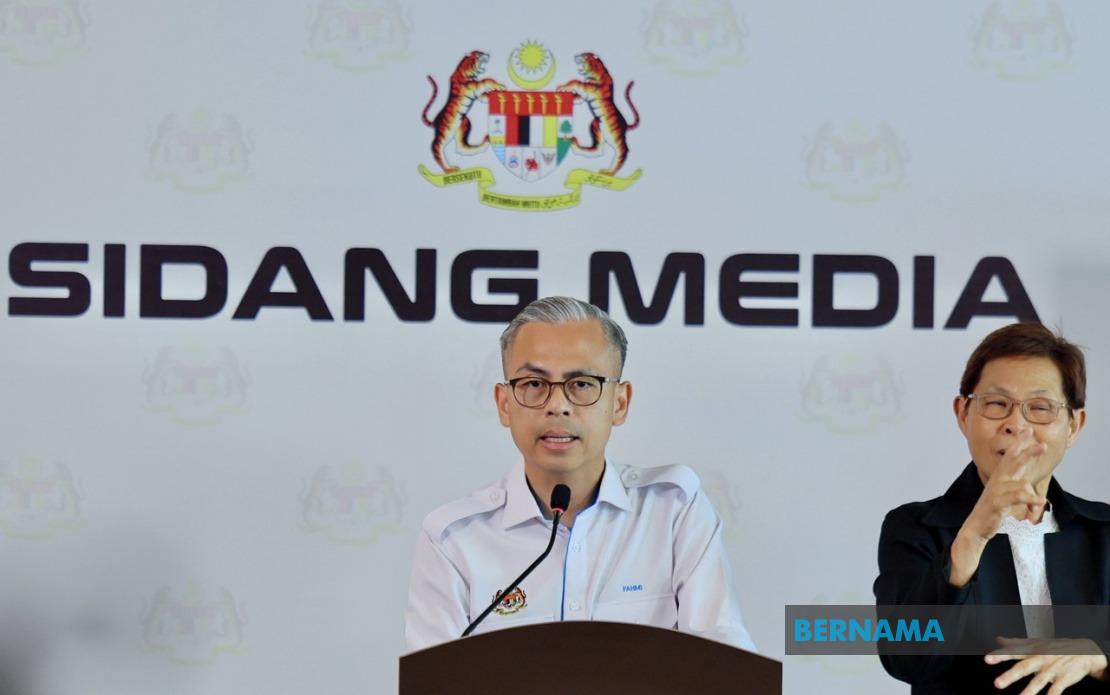
Prime Minister Datuk Seri Anwar Ibrahim's recent diplomatic missions to Kazan and Ashgabat have delivered concrete gains for Malaysia's energy security and economic trajectory, according to government officials. The working visits to Russia and Turkmenistan represent a calculated push to secure Malaysia's long-term commodity supplies whilst opening fresh avenues for national revenue generation. Government spokesperson Datuk Fahmi Fadzil characterised the achievements as transformative, highlighting their role in anchoring Malaysia's development priorities and delivering tangible benefits to ordinary Malaysians facing cost-of-living pressures.
The Kazan leg of the Prime Minister's trip, undertaken as part of Malaysia's participation in the 35th ASEAN-Russia Commemorative Summit, produced a landmark commitment from the Russian government to supply crude oil, gas and diesel to Malaysia under a long-term framework. This arrangement addresses a critical vulnerability in Malaysia's energy mix, particularly given global oil market volatility and the country's growing energy consumption demands. For a nation that imports substantial quantities of petroleum products, securing predictable supplies from a major producer reduces exposure to price shocks and supply disruptions. The inclusion of Anwar in the summit delegation, alongside Investment, Trade and Industry Minister Datuk Seri Johari Abdul Ghani and Economy Minister Akmal Nasrullah Mohd Nasir, underscored the economic significance of the discussions, signalling that energy negotiations occupied the highest levels of government attention.
Beyond crude and petroleum products, the Russian engagement also encompasses broader cooperation frameworks spanning trade, investment, tourism and technology partnerships. These wider collaboration channels create opportunities for Malaysian businesses to diversify trading relationships and for knowledge transfer in strategic sectors. The diplomatic visit reflected Malaysia's pragmatic approach to foreign relations, maintaining substantive engagement with major powers regardless of geopolitical tensions elsewhere, a stance consistent with Malaysia's non-aligned traditions and strategic autonomy.
The Ashgabat visit produced an equally significant outcome when PETRONAS, operating through its subsidiary Petronas Carigali (Turkmenistan) Sdn Bhd, secured development rights to two major gas blocks. This expansion represents a major achievement for the national oil and gas company, which has maintained operations in Turkmenistan for more than three decades. The new gas blocks position PETRONAS to increase production from the Central Asian republic, strengthening its standing as one of the world's foremost gas operators and generating substantial revenue for Malaysia through dividend repatriation. The historic relationship between PETRONAS and Turkmenistan provided the foundation for this breakthrough, demonstrating the value of sustained diplomatic and commercial engagement.
A particularly notable outcome from the Ashgabat engagement was the formalisation of a Framework Agreement on Long-Term Cooperation for the Development of Hydrocarbon Resources between the Malaysian and Turkmenistani governments. This bilateral instrument creates a structured mechanism for expanding hydrocarbon collaboration beyond gas block development. The agreement explicitly identifies the Galkynysh field as a potential development opportunity, one of the world's largest gas reserves, alongside downstream activities including oil refining, gas processing and gas chemicals production. Such downstream ventures promise higher value addition compared to crude resource extraction alone, potentially attracting technology investment and creating employment across the energy value chain.
Official statements linked these energy acquisitions directly to immediate domestic economic policy outcomes. Government communications minister Fahmi noted that the confluence of these three developments enabled Prime Minister Anwar to announce a reduction in diesel prices on June 21, providing cost relief to consumers and businesses dependent on petroleum products. This connection between high-level resource diplomacy and household-level pricing illustrates how commodity security translates into tangible benefits for ordinary Malaysians. The timing suggested that government officials had calibrated the announcement to coincide with diplomatic successes that improved Malaysia's energy supply position.
The significance of these achievements extends beyond immediate economic metrics to broader strategic positioning. Malaysia, as an energy-deficient nation relative to its consumption levels, faces structural vulnerabilities in meeting its development aspirations without secure energy supplies. The Russia and Turkmenistan agreements address this structural challenge by diversifying supply sources and expanding production stakes in proven hydrocarbon regions. For Southeast Asia more broadly, Malaysia's success in negotiating these arrangements demonstrates the region's importance to major energy-producing nations and the viability of South-East Asian countries pursuing independent energy diplomacy alongside broader regional frameworks.
The government's framing of these achievements emphasised pride and national benefit, explicitly noting that returns generated through PETRONAS activities would be channelled back into the Malaysian economy via dividend payments and national development projects. This messaging positioned energy diplomacy as delivering concrete public goods rather than narrow corporate interests. Government officials recognised that sustained public support for energy sector development depends on clear articulation of how resource wealth translates into social investment and economic opportunity. The three-part narrative—Russian supply agreements, Turkmenistan gas block expansion, and diesel price reduction—constructed a coherent economic story for public consumption.
These diplomatic outcomes also reflect the MADANI administration's economic philosophy, which emphasises pragmatic engagement with established powers and reliance on natural resource revenue to fund development commitments. Prime Minister Anwar's hands-on involvement in energy negotiations signals that the government treats commodity security as a first-order policy priority rather than a routine matter. The inclusion of multiple cabinet ministers in the Kazan delegation reflected the cross-government coordination required to address energy security, investment promotion and bilateral economic relationships simultaneously.
The Central Asian dimension of Malaysian foreign policy represented by these visits deserves particular attention. While Malaysia maintains extensive engagement across the Middle East and the traditional oil and gas producing regions, Central Asia has historically occupied a secondary position in Malaysian geopolitical consciousness. The elevation of Russia and Turkmenistan as priority energy partners indicates a deliberate effort to strengthen ties with non-traditional regional partners, reducing over-reliance on any single supplier and building relationships with energy producers outside the volatile Middle East theatre. This geographic diversification strategy aligns with Malaysia's broader goal of achieving energy resilience whilst maintaining strategic flexibility in international relations.
The Framework Agreement on Long-Term Cooperation with Turkmenistan carries additional significance as a mechanism for sustained engagement rather than transactional dealing. Such structured agreements typically include provisions for regular consultation, dispute resolution and framework adjustment, creating durable institutional relationships that can weather political fluctuations. The explicit inclusion of downstream activities—refining, processing, chemicals—within the cooperation framework suggests potential technology partnerships and knowledge transfer opportunities beyond simple resource extraction. Malaysian companies and technical personnel may benefit from exposure to world-class hydrocarbon processing facilities and operational practices in Turkmenistan.
Government communications made clear that these resource diplomacy successes represented only the initial harvest from the Prime Minister's Central Asian engagement. Officials indicated that both the Russian and Turkmenistani partnerships offered scope for expansion and deeper collaboration across multiple sectors. The language used by Fahmi and government statements suggested that officials viewed these visits as establishing foundations for longer-term strategic relationships rather than discrete commercial transactions. This forward-looking posture signals that Malaysian policymakers intend to maintain focus on Central Asian energy partnerships and leverage the relationships established to address Malaysia's evolving development needs.

