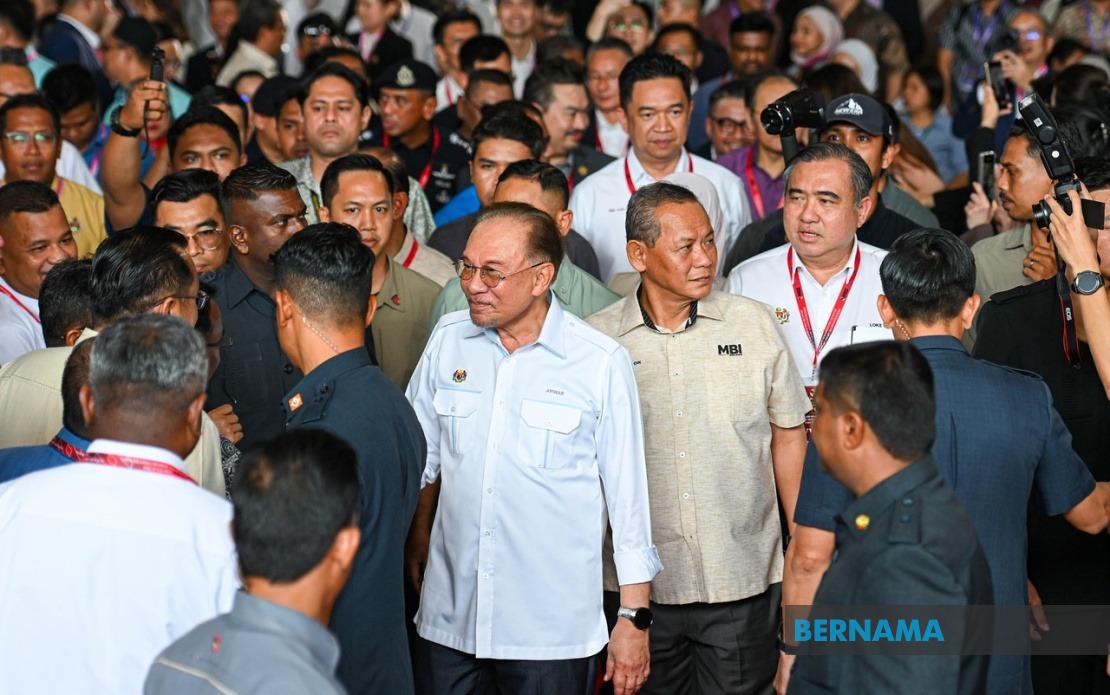
Prime Minister Datuk Seri Anwar Ibrahim has made a direct appeal to Melaka DAP to reconsider its decision to leave the state government, arguing that such a move would disrupt development efforts and undermine the coalition's ability to serve the public effectively. Speaking in Port Dickson on July 14, Anwar, who also chairs Pakatan Harapan, stressed the importance of maintaining the ruling alliance's continuity until the next general election, positioning the request as essential to preserving the state's progress and administration.
The appeal comes in response to Melaka DAP's announcement of its immediate withdrawal from the state government, a decision prompted by the Melaka State Legislative Assembly's passage of constitutional amendments that would permit the appointment of nominated assemblymen. Melaka DAP chairman Khoo Poay Tiong justified the party's stance by contending that the amendments violated democratic principles and the integrity of electoral processes, marking a significant rupture within the ruling coalition in the state.
Anwar disclosed that he had already engaged in discussions with DAP secretary-general Anthony Loke and Melaka Chief Minister Datuk Seri Ab Rauf Yusoh, indicating that negotiations remain ongoing at the highest levels of government. His intervention reflects the prime minister's determination to broker a resolution before the situation escalates further, though it also underscores the fragility of the coalition arrangement in Melaka. The implicit suggestion that dialogue could yet produce a mutually acceptable outcome reveals room for compromise, provided all parties are willing to engage constructively.
The fundamental issue at stake centers on competing visions of democratic governance within Malaysia's political landscape. The constitutional amendments permitting nominated assemblymen represent a departure from pure electoral democracy, a principle that DAP has consistently championed throughout its political history. For the party, accepting such changes would constitute a betrayal of core ideological commitments, yet the timing of the withdrawal creates practical difficulties for the state administration and the broader coalition.
Anwar's framing of the dispute as manageable difference of opinion within a ruling coalition reflects his approach to coalition management, which prioritises pragmatic cooperation over doctrinal purity. He acknowledged that disagreements among coalition partners are inevitable and should not necessarily precipitate governmental collapse. This perspective, while reasonable in principle, glosses over the fundamental nature of DAP's objections, which the party views not merely as a technical disagreement but as a serious compromise of democratic standards.
The timing of this crisis is particularly sensitive given Malaysia's ongoing political dynamics and the approaching elections. The stability of the Melaka state government has implications beyond the state itself, influencing perceptions of Pakatan Harapan's ability to maintain internal cohesion and deliver effective administration. A collapse of the coalition government in Melaka could reverberate across the federation, emboldening opposition forces and raising questions about the durability of the federal ruling coalition.
For Malaysian readers, this situation illuminates ongoing tensions within coalition politics and the difficulty of maintaining unified governments across diverse ideological platforms. Melaka has experienced considerable political volatility in recent years, and another governmental disruption would further undermine public confidence in state administration. The controversy over nominated assemblymen touches broader questions about representation and democratic legitimacy that resonate throughout Southeast Asia, where appointed positions remain commonplace despite growing demands for electoral accountability.
Anwar's appeal for postponement rather than permanent withdrawal suggests a negotiating strategy aimed at buying time for cooling tempers and exploring compromises. He emphasised that the coalition should maintain its focus on concrete developmental achievements and public welfare improvements rather than becoming consumed by procedural disputes. This argument appeals to utilitarian governance principles, suggesting that disagreements over method should not obstruct material benefits to citizens.
The role of Anthony Loke, as DAP secretary-general and a cabinet minister, becomes particularly important in this context. Loke occupies a dual position as representative of party interests and participant in the federal government, creating potential tension between loyalty to party principles and the imperatives of coalition management. His involvement in negotiations indicates recognition that the dispute requires intervention at national leadership levels, not merely state-level resolution.
The coalition's vulnerability in Melaka underscores broader fragility within Malaysian coalition politics. With slim majorities in several states, Pakatan Harapan cannot afford resignations or walkouts that diminish its numerical strength. The incentive structure thus favours accommodation, yet DAP's strong organisational culture and ideological commitment to democratic principles cannot be dismissed lightly. The party's decision to withdraw reflects genuine conviction rather than mere tactical posturing.
Moving forward, the outcome will depend substantially on whether compromise solutions can be crafted that address DAP's democratic concerns while accommodating other coalition partners' administrative preferences. Possible approaches might involve phased implementation of the amendments, sunset clauses, or alternative dispute resolution mechanisms. The flexibility demonstrated by Anwar in requesting postponement rather than demanding reversal suggests openness to such creative solutions.
Ultimately, this episode reveals the ongoing challenge of maintaining effective coalition governance in Malaysia's increasingly competitive political environment. The tension between institutional stability and principled opposition reflects deeper questions about how coalitions should balance internal disputes with external performance obligations. For observers throughout Southeast Asia, the resolution—or failure to resolve—this conflict will carry implications for understanding how diverse political actors navigate shared governmental responsibility in the region's democracies.

