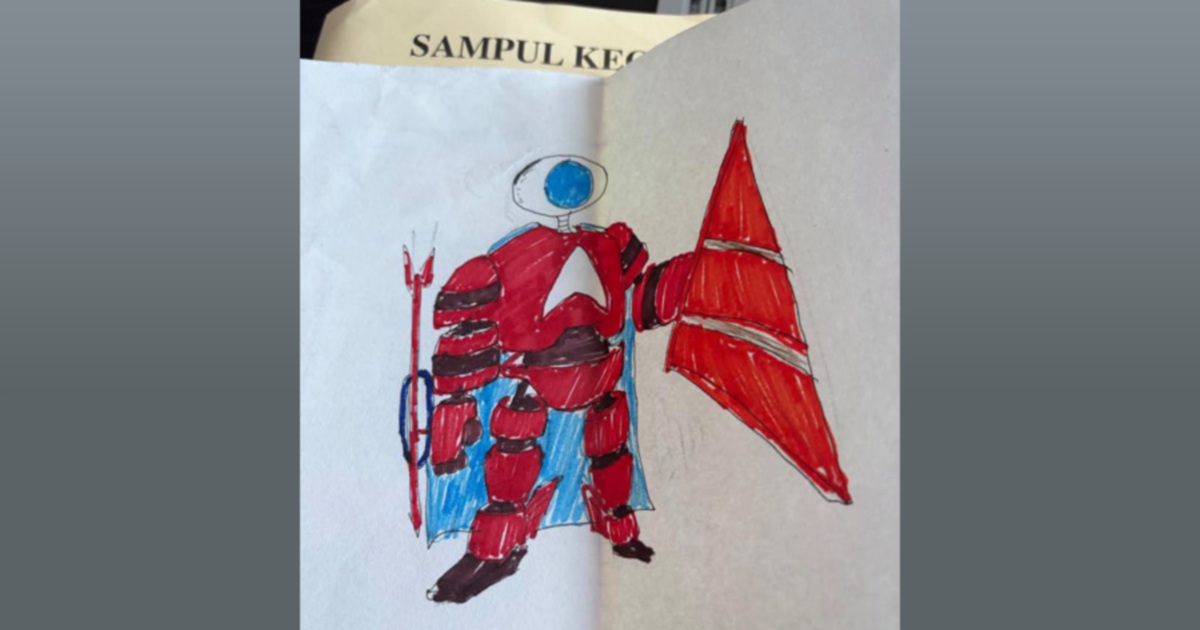
Prime Minister Datuk Seri Anwar Ibrahim has retained a drawing presented to him by a child with special needs during a recent Temu Anwar programme held in Negri Sembilan, treating the artwork as a keepsake that holds personal significance to him.
The Temu Anwar initiative represents a cornerstone of the Prime Minister's broader engagement strategy, designed to facilitate direct interaction between the government leadership and grassroots communities across Malaysian states. These town hall-style meetings have become platforms for citizens to voice concerns, seek assistance, and foster dialogue with federal authorities on matters ranging from economic hardship to social services. The Negri Sembilan event exemplifies how such gatherings often transcend formal government proceedings to create meaningful human connections.
The gesture of the child presenting artwork to Anwar reflects broader societal efforts to ensure inclusive participation from all segments of the population, including individuals with diverse abilities and needs. Special needs communities in Malaysia have increasingly advocated for greater visibility and representation in national conversations, and moments like these underscore the importance of making government events genuinely accessible and welcoming to families with disabled members.
For many Malaysians, Temu Anwar sessions function as vital avenues for direct petitioning and problem-solving, particularly when standard bureaucratic channels prove slow or ineffective. Parents and guardians of special needs children frequently face systemic challenges in accessing adequate support services, educational facilities, and healthcare provisions. These gatherings offer opportunities to highlight such gaps and appeal directly to decision-makers.
Anwar's retention and appreciation of the child's drawing carries symbolic weight beyond the physical artwork itself. It signals acknowledgment of voices that sometimes remain marginalised within broader policy discussions, while demonstrating that personal, human moments matter within the machinery of government. Such gestures, when communicated publicly, can influence how inclusive governance is perceived by communities that have historically felt overlooked.
The special needs sector in Malaysia encompasses diverse requirements—from autism spectrum conditions to intellectual disabilities, physical impairments, and sensory challenges. Support systems remain fragmented, with families often navigating multiple government agencies and non-governmental organisations to cobble together adequate services. Enhanced coordination and dedicated funding streams remain persistent areas of advocacy among support groups.
Temu Anwar programmes have generated considerable public participation since their inception, with attendance frequently exceeding expectations in various states. The model allows citizens to submit written queries and concerns beforehand, enabling more targeted responses from relevant ministries and departments. However, the programme's impact ultimately depends on whether commitments made during these sessions translate into concrete policy action and resource allocation.
The artwork presented at the Negri Sembilan event represents one of countless human interactions occurring during such programmes. Yet it carries particular poignancy for a community that frequently struggles for recognition within mainstream discourse. When visual media created by children with special needs receives attention from national leadership, it potentially encourages broader societal appreciation of their contributions and creative expressions.
For Malaysian special needs advocates, such moments offer modest but meaningful validation. They suggest that inclusivity rhetoric embraced by government extends beyond policy statements into lived practice. Nevertheless, serious disparities persist in special education provision, vocational training opportunities, and employment pathways for individuals with disabilities—issues that require sustained, concrete commitment beyond symbolic gestures.
The Prime Minister's decision to preserve this particular artwork may inspire other officials to cultivate similar appreciation for diverse forms of community engagement and expression. Creating environments where all participants feel genuinely heard and valued—regardless of ability status—remains an ongoing challenge for Malaysian governance structures, particularly as the nation pursues aspirational goals of inclusive development.
Moving forward, the significance of events like Temu Anwar lies in their capacity to accumulate incremental improvements in government responsiveness and public trust. While individual drawings and personal interactions carry emotional weight, sustainable progress requires translating these encounters into expanded service delivery, adequate funding for support services, and meaningful inclusion of special needs perspectives within policy-making processes.

