Pakatan Harapan will formally reveal its candidate lineup for the upcoming Negeri Sembilan state election at a ceremony in Dataran Melang, Kuala Pilah, on July 14, marking a crucial milestone in the coalition's preparation for the electoral battle. Datuk Seri Anwar Ibrahim, serving as both the PH chairman and Prime Minister, will personally oversee the announcement, underscoring the strategic importance the bloc attaches to reclaiming or maintaining control in the southern Selangor state.
The announcement follows weeks of internal negotiations and consultations among PH's component parties. Negeri Sembilan PKR chairman Datuk Seri Aminuddin Harun, who doubles as the state's Menteri Besar, confirmed that the candidate selection process has reached its conclusion and the final roster has been formally submitted to party leadership. The deliberate timing of the announcement, just days before nomination day on July 18, suggests party strategists have carefully choreographed the roll-out to maintain momentum heading into the campaign phase.
Under the seat allocation framework agreed upon by the coalition in June, PKR will contest 16 of the 36 state seats—capturing the largest share of available positions—while the Democratic Action Party (DAP) will field candidates in 11 constituencies. Amanah, the third major PH component, has been allotted nine seats, completing the coalition's statewide coverage. This distribution reflects ongoing negotiations about relative party strengths and perceived competitive advantages in various districts across Negeri Sembilan.
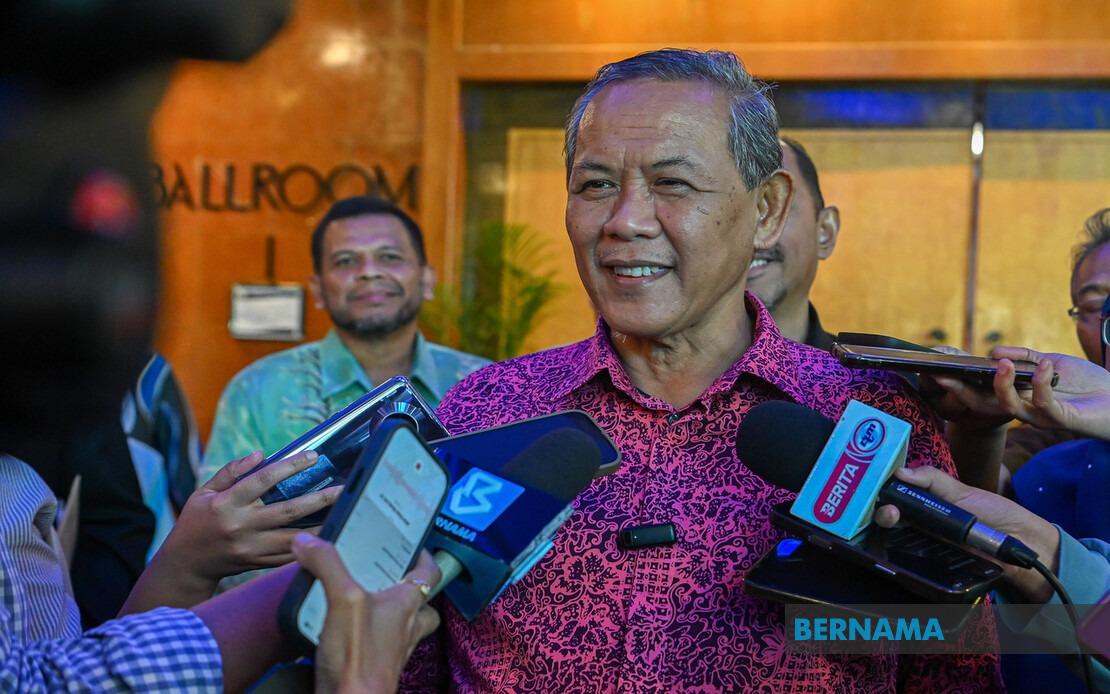
Speculation has swirled for weeks regarding whether Aminuddin himself would transition from his current assembly seat of Sikamat to contest the Linggi state seat, a potential shift that could signal broader positioning within PH's state leadership structure. When pressed by reporters about his personal electoral plans, the Menteri Besar remained characteristically circumspect, declining to confirm or deny the rumours and directing attention instead toward the upcoming official unveiling. His measured response reflects the careful management of candidate announcements, where premature leaks or uncontrolled disclosures can complicate party unity or create unwelcome narratives before leadership has framed the story.
Aminuddin emphasised that the immediate priority for all candidates and party members should be channelling energy into grassroots campaigning rather than speculation about seat allocations. Speaking after handing out Special Grants totalling RM342,000 to 342 Rukun Tetangga units across the state, he underscored that electoral victory depends on sustained community engagement and organisational discipline at the neighbourhood level. This focus on ground-level mobilisation reflects the competitive nature of Negeri Sembilan politics, where tight contests in multiple districts could determine the overall outcome.
The Negeri Sembilan state election represents a significant test for Pakatan Harapan's political trajectory in a traditionally competitive state. Held separately from federal elections, state-level contests often serve as bellwethers for broader shifts in voter sentiment and coalition cohesion. The timing of this election in August comes at a moment when PH's federal government faces multiple policy challenges and the need to demonstrate effective governance while managing internal disagreements among partner parties.
The Election Commission has structured the election timeline meticulously, with nomination day falling on July 18, early voting scheduled for July 28, and polling day set for August 1. This compressed schedule—beginning just four days after the candidate announcement—gives parties relatively little time to conduct extensive campaigning, placing additional emphasis on pre-existing grassroots networks and digital mobilisation strategies. For PH, the tight timeline requires that candidates be well-prepared to hit the ground immediately upon their official unveiling.
Negeri Sembilan's political dynamics reflect broader patterns across Malaysia, where state elections increasingly represent contests between Pakatan Harapan and Barisan Nasional or other opposition coalitions, with Muslim-based parties like PAS playing potentially decisive roles in certain constituencies. The state's economic character, mixing urban pockets with rural agricultural areas and mining heritage sites, creates diverse voter constituencies with distinct priorities regarding development, wages, and environmental stewardship.
For Malaysian observers and political analysts, the Negeri Sembilan outcome will offer early indicators of whether PH's federal positioning translates into sustained state-level support, or whether voter concerns about cost of living, service delivery, or governance have eroded the coalition's popularity since the 2022 general election. The scale of PH's victory—or margin of defeat—could influence calculations about the timing and composition of future federal political manoeuvres and coalition recalibrations at the national level.

