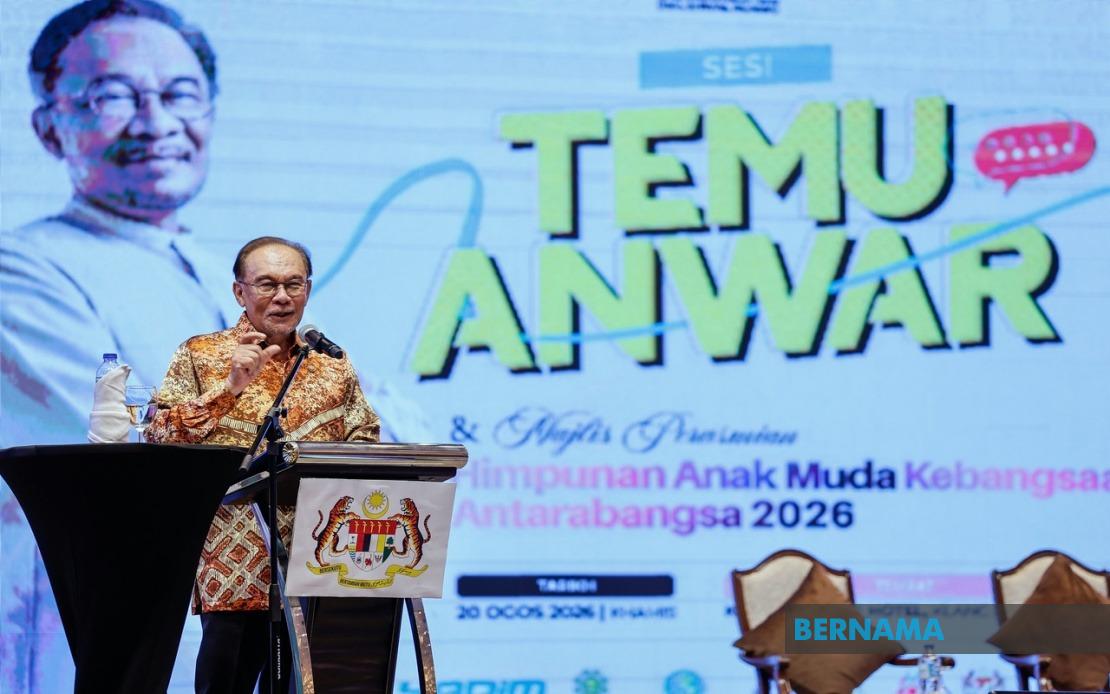
Prime Minister Datuk Seri Anwar Ibrahim has indicated that significant policy announcements are forthcoming during key national celebrations and parliamentary sessions over the coming weeks. Speaking at an event in Klang on August 20, the Premier disclosed plans to make substantial declarations on the eve of National Day on August 30, during Malaysia Day festivities on September 16, and again in early October when Parliament debates the Budget. While he declined to elaborate on the specifics of these announcements, the timing suggests they may address pressing concerns around youth employment and economic welfare that have dominated recent policy discussions.
The Prime Minister's remarks came during an engagement session with young people at the opening of Himpunan Anak Muda Antarabangsa (HAMKA) 2026, where he fielded questions directly from students about government support for workers in the gig economy. This setting underscores the government's apparent focus on addressing the economic anxieties of Malaysia's younger generation, a constituency that has grown increasingly vocal about job security and income volatility in the platform-based services sector. The clustering of three announcements within a six-week window suggests a coordinated communications strategy designed to build momentum around youth-centred policy reform.
The government has already begun laying groundwork for gig economy protections through the establishment of the Malaysian Gig Economy Commission (SEGiM) and the development of legislation targeting small business operators. These initiatives reflect acknowledgement that millions of Malaysians depend on non-traditional employment arrangements that often lack the protections built into conventional wage employment. Anwar framed these efforts as part of a broader commitment to safeguarding the financial security and wellbeing of workers in this growing segment of the labour market, though he noted that stakeholder views differ on whether current assistance measures are adequate.
Among the most significant areas for potential reform centres on access to business financing for recent graduates. The Prime Minister indicated that the government is reviewing longstanding requirements that entrepreneurs must demonstrate prior business experience before qualifying for capital support from major funding mechanisms like the National Entrepreneurial Group Economic Fund (TEKUN). This requirement has been flagged as a barrier preventing first-time entrepreneurs from establishing ventures, particularly those from less privileged backgrounds without family business networks. Relaxing these criteria could substantially expand access to finance for young Malaysians seeking to transition from employment to self-employment.
Anwar's cautious language around these potential reforms is notable. Rather than committing definitively to policy changes, he emphasised that the government would examine matters carefully and act "if we have the capacity." This measured approach suggests either genuine fiscal constraints limiting the scope of new programmes or an intention to assess implementation feasibility before making firm commitments. For Malaysia's youth, already navigating uncertain labour market conditions exacerbated by digital disruption and economic slowdown, the qualified nature of these undertakings may prove frustrating, though the Prime Minister's willingness to engage directly with concerns is itself somewhat reassuring.
The timing of these announcements carries significance beyond their content. By anchoring policy reveals to National Day and Malaysia Day, the government associates youth economic support with patriotic themes of national unity and progress. Similarly, tabling reforms alongside the Budget creates an opportunity to demonstrate fiscal commitment to these priorities, potentially signalling to financial markets and rating agencies that youth development remains central to long-term economic strategy. This sequencing allows the government to build narrative momentum around its policy agenda across multiple national occasions.
For the broader Southeast Asian context, Malaysia's approach to gig economy regulation and youth employment reflects patterns visible across the region. Indonesia, Thailand, and Singapore have similarly grappled with formalising protections for platform workers while maintaining regulatory flexibility that allows the gig sector to function efficiently. Malaysia's establishment of SEGiM positions the country alongside other regional economies attempting to strike this balance through dedicated regulatory bodies. The outcomes of these deliberations could influence how comparable ASEAN nations approach the intersection of worker protection and digital economy growth.
The specific attention to entrepreneurship financing also resonates regionally. Across Southeast Asia, youth unemployment and underemployment persist despite overall economic growth, creating political pressure on governments to demonstrate tangible support for young people starting businesses. TEKUN and comparable funds in neighbouring countries function as visible commitments to youth economic inclusion, though their effectiveness at scale remains debated among economists. Anwar's signalling that traditional barriers to access may soften could encourage young Malaysians to pursue entrepreneurial pathways while potentially addressing some longstanding criticisms about the restricted reach of state-backed financing.
The question of gig economy worker protections also intersects with Malaysia's commitment to sustainable development and social protection frameworks. Unlike traditional employees with statutory entitlements to medical benefits, paid leave, and retirement contributions, gig workers typically bear these costs individually. Strengthening protections through legislation could establish baseline standards for workplace safety, income floors, or social insurance contributions that would distinguish Malaysia's regulatory approach and potentially set precedents for the region.
In the longer term, how Anwar's government translates these announced intentions into concrete policy will substantially affect electoral dynamics and social stability. Young Malaysians have grown increasingly sceptical of political promises, particularly around economic opportunity. Delivering tangible improvements in gig worker protections or meaningfully expanding youth access to business financing would strengthen the government's credibility with this demographic. Conversely, if the three announcements yield incremental or cosmetic adjustments to existing programmes, confidence in government responsiveness to youth concerns may further erode.
The substance of the upcoming announcements will become clear only when delivered, but the Prime Minister's willingness to flag them in advance and engage directly with youth concerns suggests at least rhetorical commitment to addressing labour market anxieties. Whether this translates into substantive policy shifts that materially improve circumstances for gig workers and young entrepreneurs will ultimately determine whether August's promises become September's achievements or remain symbolic gestures that leave underlying structural challenges unresolved.

