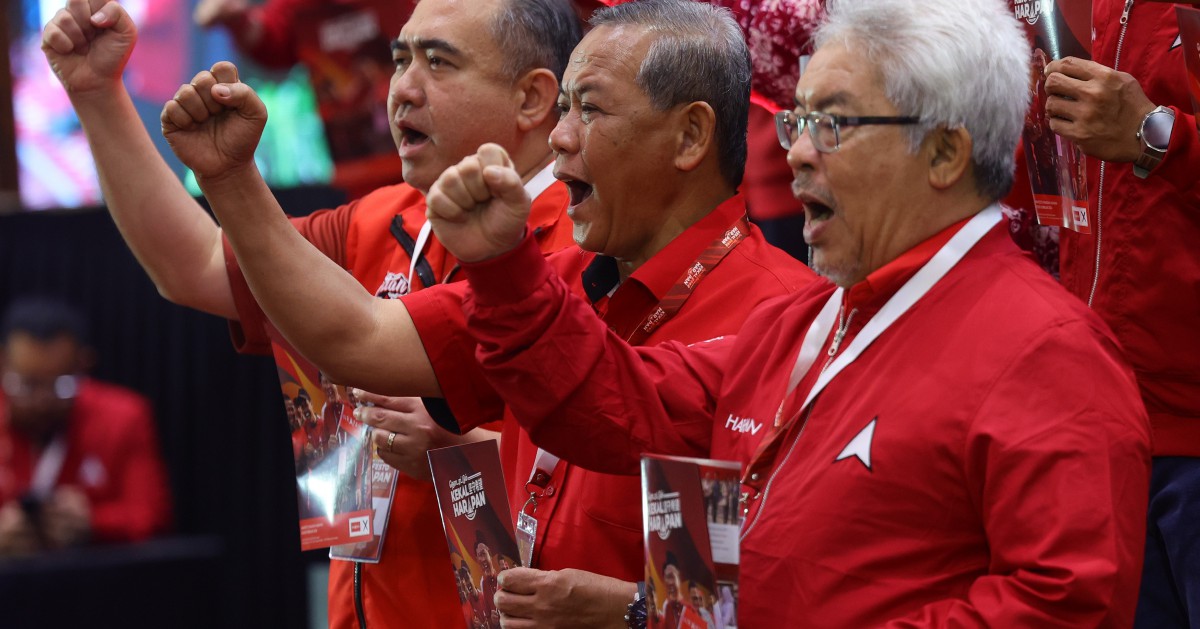
Prime Minister Datuk Seri Anwar Ibrahim is poised to inject momentum into Pakatan Harapan's election machinery in Negri Sembilan this week, with the coalition chairman expected to take centre stage in campaign activities scheduled for Wednesday. The development underscores the strategic importance the federal leadership places on capturing or retaining support in the state, which sits as a crucial electoral battleground in Malaysia's political landscape.
Anwar's direct participation in the Negri Sembilan campaign represents a calculated deployment of the coalition's most recognizable figure at a critical juncture in the electoral cycle. As Prime Minister and head of Pakatan Harapan, his presence carries symbolic weight beyond typical campaign mechanics, signalling internal cohesion within the multiethnic alliance and demonstrating commitment to grassroots mobilization. His involvement typically galvanizes party machinery and media attention, amplifying the coalition's messaging to voters across the state.
Negri Sembilan has historically demonstrated political volatility, with state-level contests often producing outcomes divergent from federal election results. The state's diverse demographic composition—encompassing urban centres like Seremban alongside rural constituencies—requires nuanced campaign strategies that address both metropolitan concerns and agrarian interests. Pakatan Harapan's decision to deploy Anwar reflects recognition that wholesale efforts are necessary to consolidate support across this demographic spectrum.
The Wednesday campaign appearance follows established patterns of centralized campaign leadership in Malaysian elections, where prime ministers and party presidents typically conduct high-profile rallies and engagement sessions in marginal or significant constituencies. Such visits serve multiple purposes: they energize local party volunteers, attract media coverage, and project an image of political leadership directly accountable to voters. For Anwar specifically, such engagements reinforce his position as a campaigner capable of connecting with diverse voter groups despite holding the nation's highest office.
For Negri Sembilan voters, Anwar's involvement presents an opportunity to engage directly with federal-level governance and articulate concerns regarding state-level issues. The campaign period in state elections frequently becomes a vehicle for voters to assess federal performance indirectly, holding the ruling coalition accountable for implementation of national policies affecting local communities. Federal-state coordination on issues ranging from infrastructure development to social welfare programmes typically feature prominently in such engagements.
Pakatan Harapan's campaign intensity in the state reflects broader coalition dynamics following the 2022 general election. Consolidating electoral support in state-level contests has become increasingly critical for the coalition's longer-term viability, particularly as it prepares for potentially more challenging contests ahead. Negri Sembilan therefore represents not merely a standalone election but rather a barometer of coalition strength and public confidence in its governance model.
The coalition faces the dual challenge of maintaining voter enthusiasm in established strongholds while recapturing support in constituencies where it has previously performed strongly. Anwar's grassroots engagement directly addresses both imperatives, combining national leadership visibility with localized policy messaging. His participation signals that federal resources and attention are being directed toward state-level contests, a critical signal to supporters that the coalition remains invested in electoral success beyond federal Parliament.
For political observers tracking Malaysian electoral trends, such campaign moves reveal strategic calculations about which states merit intensified effort and where the coalition perceives opportunities or vulnerabilities. The decision to deploy Anwar in Negri Sembilan at this specific juncture suggests coalition strategists have identified the state as winnable or critically important to overall electoral positioning. This positioning may reflect polling data, historical performance analysis, or evolving demographic trends that place Negri Sembilan in the competitive category.
The broader context of this campaign appearance includes ongoing negotiations within Pakatan Harapan regarding seat allocations, candidate selections, and coalition positioning ahead of the election. Anwar's visible leadership during this phase helps establish his authority within the coalition while demonstrating to wavering voters that the prime minister personally stands behind Pakatan Harapan's electoral machinery and policy platform. Such high-profile campaign activity is particularly valuable during early campaign phases, when voter engagement levels are typically moderate but base mobilization remains crucial.
For Malaysian voters in Negri Sembilan, Wednesday's campaign event provides a platform to directly assess the federal government's track record and vision going forward. As prime minister, Anwar's public statements during such campaigns frequently include updates on federal initiatives benefiting the state, commitments regarding resource allocation, and positioning of Negri Sembilan within broader national development frameworks. These engagements thus serve as informal accountability mechanisms through which voters can evaluate government performance and campaign promises.
The appearance also carries significance for Pakatan Harapan's internal dynamics, as campaign participation by the coalition chairman reinforces party hierarchy and demonstrates Anwar's active management of coalition affairs. This direct engagement with state-level politics addresses any perceptions that federal leadership has become disconnected from grassroots organization, a persistent challenge for governing coalitions in Malaysia. By appearing in Negri Sembilan, Anwar visibly reaffirms the coalition's commitment to electoral competition and positions himself as personally invested in campaign outcomes.
As Pakatan Harapan intensifies its Negri Sembilan campaign, Anwar's participation signals the coalition's determination to build momentum and consolidate support heading into election day. His involvement transcends symbolic gestures, instead representing a strategic deployment of leadership resources toward achieving electoral objectives in a state where outcomes remain genuinely competitive. For the broader Malaysian political landscape, such campaign activities reveal how federal leadership increasingly engages directly with state-level electoral processes, blurring traditional distinctions between federal and state politics while intensifying competition across all electoral tiers.

