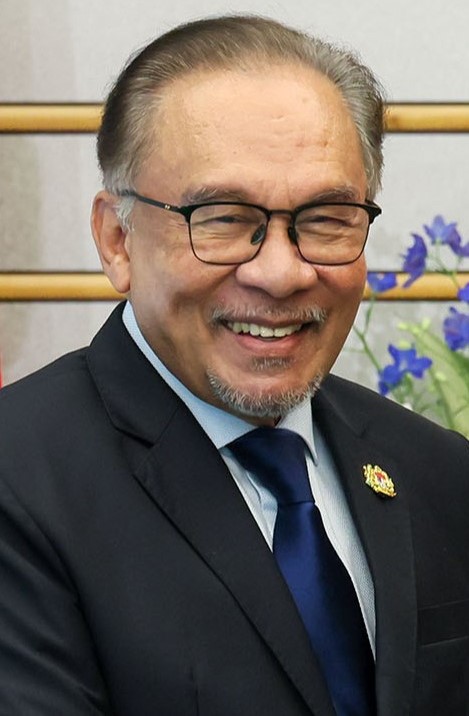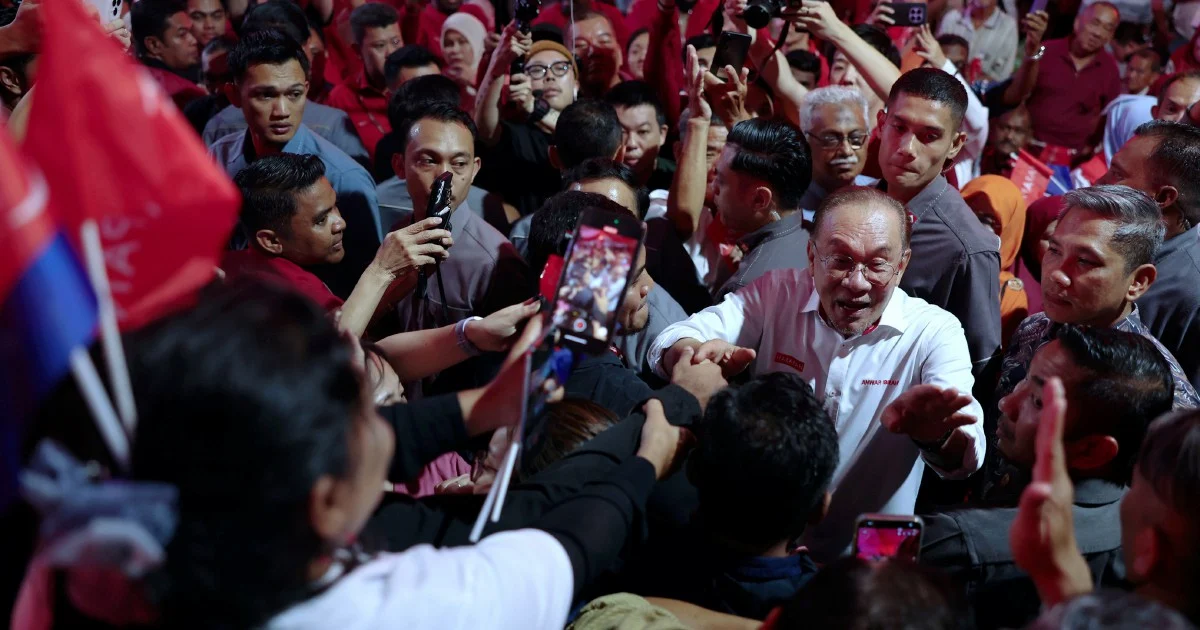
Pakatan Harapan (PH) has formally presented its complete lineup of 56 candidates for the Johor state election scheduled for July 11, with coalition chairman Datuk Seri Anwar Ibrahim making the announcement at an event in Tangkak. The unveiling represents a crucial milestone in the opposition alliance's preparations ahead of what many political observers regard as a consequential ballot for the southern state.
The timing of this candidate announcement reflects PH's strategic approach to the Johor contest, which holds significant implications for the broader Malaysian political landscape. As the second-largest state by population and a traditional stronghold of political competition, Johor has historically served as a barometer for electoral sentiment across the nation. A strong performance or setback in this state can ripple through national politics, influencing perceptions of party momentum and public confidence in leadership heading into other state-level and general elections.
Anwar Ibrahim's personal involvement in unveiling the candidate slate underscores the magnitude that PH attaches to the Johor contest. The coalition chief's direct participation in this nomination process signals not merely administrative protocol but a substantive commitment to presenting a competitive team. The coalition has clearly invested considerable effort in candidate selection, vetting potential representatives across the 56 state assembly constituencies, a process that typically involves consultations with local party branches, community leaders, and strategic assessments of electoral terrain.
The composition and distribution of these 56 candidates across different constituencies will be scrutinised closely by both supporters and critics of the coalition. Political analysts will examine whether PH has allocated experienced incumbent lawmakers, fresh faces, or a mix of both to different areas—decisions that reflect calculations about which seats appear winnable, which represent defensive positions, and where the coalition might attempt to expand its presence. Such allocation choices invariably generate internal discussion within and outside the party machinery.
For Malaysian voters in Johor, particularly those concerned about economic development, infrastructure, healthcare, and education provision at the state level, the candidate slate represents the pool of individuals who could potentially shape policy priorities if elected. The credentials, backgrounds, and track records of these 56 candidates will influence voter assessments of whether they offer credible alternatives to current governance arrangements or whether incumbents appear better positioned to deliver on public expectations.
The July 11 election date itself carries strategic weight. Positioned in the middle of the year, it allows sufficient time for campaign activities and public engagement without competing with major national holidays or overlapping significantly with other state-level ballots elsewhere in Malaysia. This scheduling provides both the ruling coalition and opposition groupings room to conduct substantial groundwork, undertake door-to-door canvassing, hold public forums, and present their respective visions to Johor's electorate.
PH's candidacy presentation also reflects the coalition's continuing attempts to project unity and organisational competence despite the various internal tensions that have periodically surfaced between its component parties. The Pakatan banner itself encompasses political organisations with distinct bases, ideologies, and leadership structures—a reality that makes consensus on candidate selection a non-trivial achievement requiring negotiation and compromise among senior figures from different parties within the alliance.
The candidate announcement process gains additional significance when considered against the backdrop of Malaysia's broader political environment. Electoral contests at the state level increasingly function as proving grounds for different political formations to demonstrate administrative capability, policy implementation, and capacity to govern. Performance in Johor could influence perceptions regarding PH's viability as a governing coalition, particularly following the complex political dynamics that have characterised recent years in Malaysian politics.
For constituencies where PH has fielded candidates, local political activists, party members, and interested voters now commence the serious phase of electoral engagement. Campaign machinery shifts into higher gear, with candidate movements intensifying across districts, community dialogue sessions scheduled, and party resources mobilised toward mobilising support. The seven-week campaign period between announcement and voting day represents the window in which political parties must persuade undecided voters and consolidate backing among their respective bases.
The broader implications of PH's Johor contest extend beyond the state itself. A strong showing would bolster the coalition's narrative of political resurgence and public confidence, potentially enhancing its positioning ahead of other electoral contests. Conversely, disappointing results could raise questions about electoral sustainability and internal cohesion within the alliance, matters that invariably receive attention from media observers, political analysts, and opposition critics.
As the campaign season proper now unfolds, the 56 candidates presented by Anwar Ibrahim will become the public face of PH's political aspirations in Johor. Their performances during debates, community interactions, and campaign messaging will substantially determine how voters ultimately assess the coalition's readiness to govern the state. The coming weeks will reveal whether PH's candidate selection proves strategically sound and whether these individuals can effectively communicate their party's vision to Johor's diverse electorate across urban, suburban, and rural constituencies.