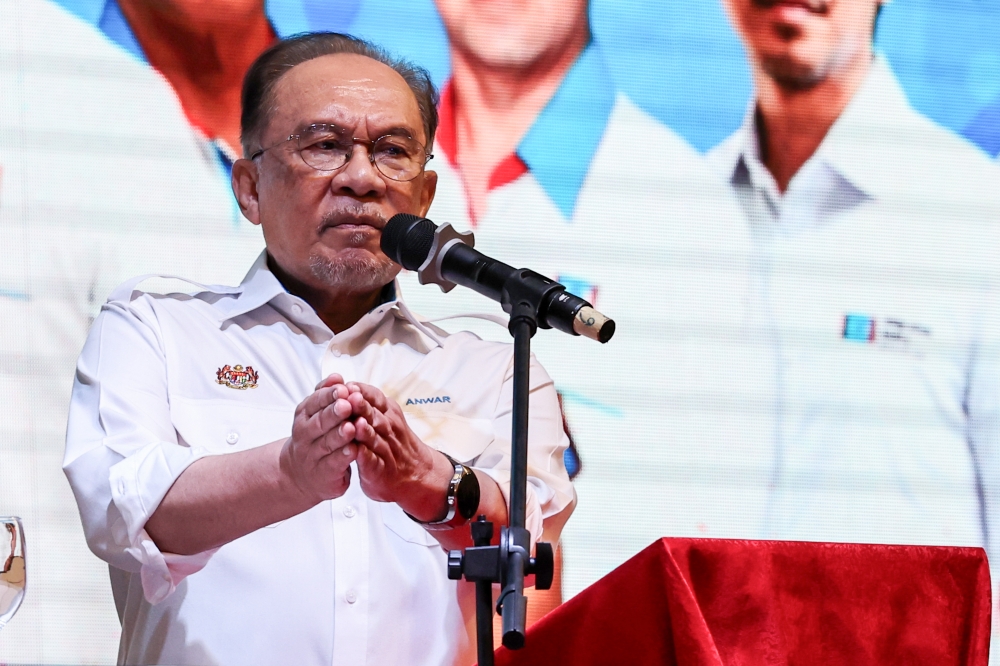
Prime Minister Datuk Seri Anwar Ibrahim has responded with unmistakable frustration to the Royal Commission of Inquiry findings on Tabung Haji, emphasizing that the loss of RM12 billion from the pilgrimage savings fund constitutes nothing less than systematic siphoning of public resources. Speaking in Melaka on August 15, Anwar underscored that such large-scale financial leakage from a fund entrusted with the retirement and religious aspirations of millions of Malaysian Muslims demands rigorous accountability and decisive corrective action.
The RM12 billion shortfall represents a watershed moment in Malaysian financial governance, particularly given Tabung Haji's sacred status as a savings and investment vehicle specifically designed to help Malaysian Muslims accumulate funds for the Hajj pilgrimage and long-term financial security. The scale of losses documented by the commission's investigation suggests systemic failures spanning multiple years and administrative layers, implicating both operational oversight and strategic decision-making at the highest institutional levels. For Anwar, the findings vindicate longstanding concerns about governance lapses within statutory bodies managing public money, especially when those bodies handle funds belonging to segments of the population dependent on reliable institutional custodianship.
Anwar's forceful characterization of the situation as "sakau"—a Malay term conveying unauthorized extraction or siphoning—deliberately cuts through euphemistic language that might otherwise obscure the gravity of what occurred. By employing colloquial terminology, the Prime Minister signalled his intent to strip away bureaucratic obfuscation and communicate directly to ordinary Malaysians that substantial funds ostensibly held in trust were systematically drained away. This rhetorical approach serves multiple audiences simultaneously: it reassures citizens that government leadership takes the matter seriously while simultaneously building political momentum for implementing the commission's recommendations.
The Tabung Haji scandal emerges against a broader backdrop of institutional reform initiatives that have characterized Anwar's administration since taking office. The government has prioritized investigating and addressing financial mismanagement within state-linked enterprises and statutory bodies, viewing such accountability efforts as essential to rebuilding public trust in institutions and demonstrating commitment to transparent governance. The scale of Tabung Haji's losses positions this case as among the most significant recent examples of institutional failure demanding comprehensive remedial action.
For Malaysian Muslims who have contributed savings to Tabung Haji throughout their working lives, the revelation of RM12 billion in losses carries profound personal implications. Approximately 5.6 million members hold accounts with the fund, many viewing their accumulated balances as integral to their retirement planning and spiritual obligations. The discovery that institutional mismanagement has eroded the value and sustainability of their savings generates legitimate anxiety about fund viability and raises urgent questions about how administrators will restore member confidence and compensate for losses incurred through poor stewardship.
Anwar's public emphasis on accountability signals that authorities will pursue those responsible for the losses through available legal and administrative mechanisms. The Prime Minister's rhetoric suggests potential criminal investigations, disciplinary proceedings against officials, and possibly civil recovery actions designed to recoup misappropriated funds. This commitment to consequences represents a significant departure from historical patterns in Malaysia where high-level institutional failures sometimes proceeded without commensurate accountability for senior decision-makers.
The implications extend beyond Tabung Haji itself, potentially triggering broader scrutiny of governance practices within other major statutory bodies and government-linked companies. If authorities pursue systematic reform of internal controls, financial oversight, and accountability mechanisms at Tabung Haji, similar pressures may follow elsewhere across Malaysia's substantial public institutional apparatus. Investors and citizens monitoring institutional governance practices will likely interpret the government's response to the Tabung Haji commission findings as indicative of its seriousness regarding financial accountability more generally.
Regionally, Malaysia's handling of the Tabung Haji situation may influence perceptions of institutional governance quality among Southeast Asian peers and international observers. Countries managing sovereign wealth funds and large-scale public savings vehicles face persistent pressure to demonstrate robust financial controls and transparent administration. Malaysia's willingness to publicly acknowledge institutional failure and commit to meaningful reforms could enhance long-term credibility, though only if follow-through on accountability measures proves comprehensive and decisive.
The road ahead requires not merely investigating past malfeasance but implementing structural reforms preventing recurrence. This likely encompasses enhanced financial audit procedures, clearer segregation of duties, modern technology systems improving transparency, and robust enforcement of fiduciary responsibilities among senior management. Anwar's forceful reaction to the commission findings suggests the government recognizes that restoring member confidence in Tabung Haji demands demonstrating tangible commitment to transformation, not merely rhetorical acknowledgment of problems identified.

