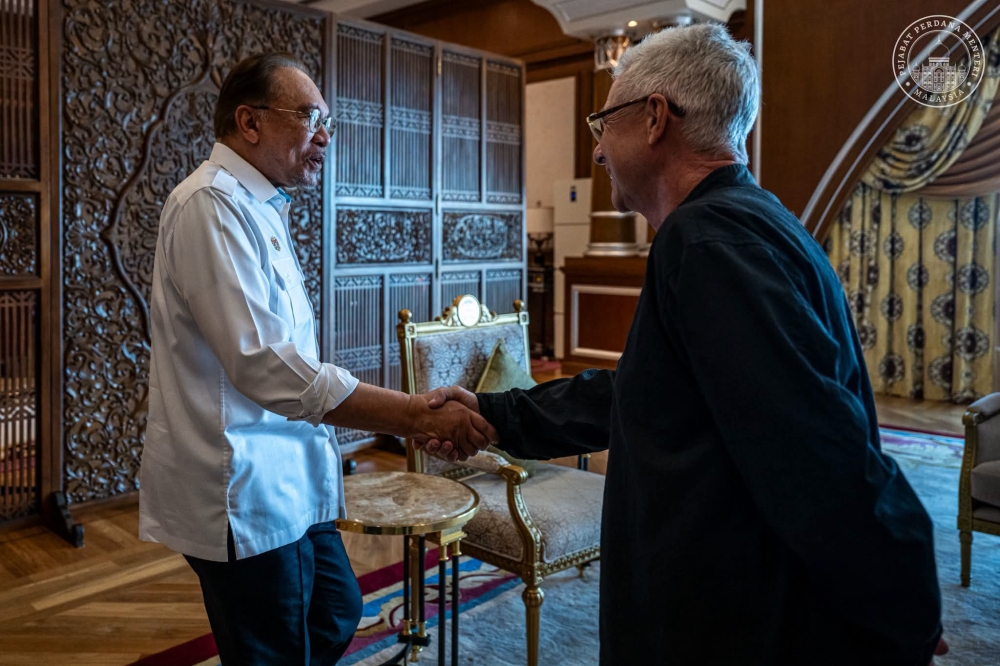
Prime Minister Datuk Seri Anwar Ibrahim has convened discussions with senior officials overseeing Singapore's Grand Prix operations, signalling the government's renewed commitment to reviving Malaysia's presence on the Formula 1 calendar. The meeting underscores Kuala Lumpur's strategic interest in securing a major motorsports event that could position the country as a regional motorsports hub and unlock substantial economic benefits.
The Sepang International Circuit, located approximately 50 kilometres south of Kuala Lumpur, previously hosted the Malaysian Grand Prix for two decades until 2017, establishing itself as a marquee event in Southeast Asia's sporting landscape. The venue's world-class infrastructure, including its modern pit complex and spectator facilities, continues to meet international racing standards. Engineers and circuit authorities have maintained the track's operational capabilities, ensuring readiness should Malaysia pursue a formal bidding process with the International Motoring Federation.
Singapore's Grand Prix, which shifted to the night-time format in 2008, has become a cornerstone of the city-state's calendar and generates significant tourism revenue alongside global television exposure. By engaging with the organisers directly, Malaysia's leadership appears to be gathering insights into the financial architecture, promotional strategies, and operational frameworks that have sustained Singapore's event for over two decades. Such knowledge exchange is invaluable for Malaysian officials contemplating the resource commitments and marketing infrastructure required to attract Formula 1 back to Sepang.
The Malaysian motorsports landscape has undergone transformation in recent years, with the Sepang circuit diversifying its event portfolio to include other international racing series and automotive exhibitions. However, Formula 1's withdrawal left a void in the nation's sporting calendar—the sport commands unparalleled global viewership, with races broadcast to over 500 million households worldwide. The economic multiplier effect extends beyond ticket sales to encompassing hospitality, transportation, accommodation, and ancillary services across the Klang Valley region.
Formula 1's calendar expansion strategy under new ownership has created opportunities for emerging markets and previously established venues seeking reinstatement. Recent additions to the schedule have included promoters from the Middle East, North America, and Southeast Asia, indicating the sport's flexibility regarding geographic representation. Malaysia's geopolitical position as a stable, developed market with established motorsports infrastructure positions it favourably within this competitive bidding environment.
The financial implications merit serious consideration. Hosting a Formula 1 Grand Prix requires substantial government or private sector investment in infrastructure upgrades, security arrangements, and marketing campaigns. The Malaysian government would need to commit funding for circuit modifications to meet current International Motoring Federation standards, hospitality facilities enhancement, and international promotion. Conversely, successful execution would generate immediate employment opportunities, international visitor spending, and long-term brand elevation for Malaysian tourism and business sectors.
Regionally, Formula 1's return to Malaysia would reshape the Southeast Asian motorsports landscape. Singapore's primacy as the region's premier racing destination would face competition, potentially catalysing investment across the broader region as neighbouring countries contemplate similar bids. Thailand's Buriram circuit and Vietnam's cancelled Hanoi street course previously competed for Formula 1 sanction, illustrating the appetite among Southeast Asian governments to secure this prestigious event. Malaysia's unique advantage lies in Sepang's established reputation and existing infrastructure, reducing the lead-time and capital expenditure compared to constructing new facilities.
Anwar's proactive engagement with Singapore's Grand Prix administration reflects the Prime Minister's broader developmental agenda, which has emphasised attracting high-profile international events to enhance Malaysia's global standing. His administration has demonstrated interest in leveraging mega-events—from technology conferences to sporting spectacles—as catalysts for economic diversification and workforce upskilling. A Formula 1 Grand Prix aligns with these objectives whilst appealing to the automotive industry's significant representation in Malaysia's manufacturing sector.
The political dimensions warrant examination. Successfully bringing Formula 1 back to Sepang would constitute a tangible achievement for Anwar's government, delivering visible economic activity and international prestige. Media coverage of a Malaysian Grand Prix would amplify national visibility globally, benefiting the tourism board and foreign investment agencies. For a prime minister navigating a complex domestic political landscape, securing such marquee projects provides valuable symbolic capital.
However, substantial obstacles remain. Formula 1's expansion has created fierce competition among prospective hosts, many with deeper financial pockets and governmental backing than Malaysia can presently offer. The timeline for finalising a contract and undertaking necessary upgrades remains uncertain. Additionally, Malaysia would need to satisfy the International Motoring Federation's increasingly stringent safety, environmental, and sustainability standards—requirements that have evolved significantly since the Malaysian Grand Prix's final iteration in 2017.
Industry observers note that Formula 1 increasingly prioritises venues capable of demonstrating substantial local spectator appeal and television ratings potential. Malaysia's motorsports fanbase remains robust, yet rebuilding sustained public interest after a decade-long absence presents marketing challenges. Singapore's consistent scheduling and established sponsorship ecosystem provide a proven model, though Malaysia possesses distinct competitive advantages including lower operational costs and direct proximity to high-population-density ASEAN markets.
The meeting between Anwar and Singapore's Grand Prix leadership represents an opening gambit in what could become a protracted negotiation with Formula 1's global administration. Whether Malaysia ultimately secures reinstatement depends upon convergence of financial capacity, infrastructural readiness, and the sport's strategic priorities. Nonetheless, the Prime Minister's willingness to engage demonstrates governmental resolve to resurrect one of Southeast Asia's most prestigious sporting institutions and position Malaysia competitively within the region's evolving motorsports ecosystem.

