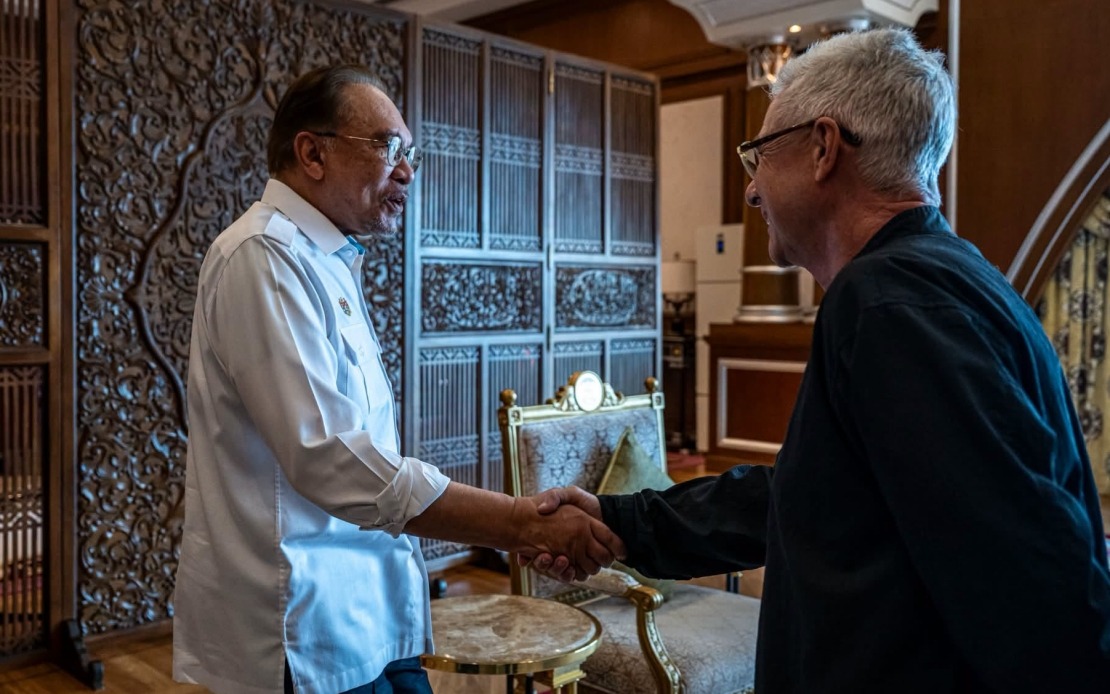
Prime Minister Datuk Seri Anwar Ibrahim has signalled Malaysia's ambition to reclaim its position as a major Formula 1 racing destination by meeting with Singapore Grand Prix Executive Director Michael Roche to absorb expertise from the city-state's successful motorsports operations. The discussions, which took place ahead of the 2026 Formula 1 Gulf Air Bahrain Grand Prix scheduled for Sepang International Circuit from October 2 to 4, underscore the government's determination to turn the event into a flagship gathering that showcases Malaysia's capabilities on the global motorsports stage.
The meeting represents a pragmatic approach to event management, with Malaysia seeking to learn from Singapore's proven track record in organising world-class motor racing spectacles. By examining the operational frameworks, logistical strategies, and stakeholder management systems that have made the Singapore Grand Prix internationally acclaimed, Malaysia aims to ensure that the Bahrain Grand Prix at Sepang meets the exacting standards expected by Formula 1 and the Fédération Internationale de l'Automobile. This knowledge transfer could prove instrumental in addressing challenges that previously affected Malaysia's ability to sustain a permanent presence on the F1 calendar.
According to Anwar, the event carries substantial economic significance beyond the racing itself. The Prime Minister highlighted that a successfully executed Grand Prix at Sepang would catalyse tourism growth, create employment opportunities across multiple sectors, stimulate business activity, and enhance Malaysia's attractiveness to international investors. These economic multiplier effects extend beyond the racing weekend, with benefits cascading through hospitality, transportation, entertainment, and retail sectors. The government explicitly links the event to its broader Visit Malaysia 2026 campaign, positioning Formula 1 as a cornerstone experience within Malaysia's tourism and economic development strategy.
Malaysia's return to the F1 calendar through this unique arrangement with Bahrain represents a significant diplomatic and sporting achievement. The original scheduling of the Bahrain Grand Prix at Bahrain International Circuit in April was disrupted by geopolitical tensions in the West Asia region, necessitating a relocation to October and a geographical shift to Malaysia. This arrangement allows both nations to share the prestige and economic benefits of hosting a premier Formula 1 event while navigating complex regional circumstances. For Malaysia, it provides an unexpected opportunity to re-establish itself within the highest echelon of international motorsports after an absence spanning nearly a decade.
The return to Sepang carries historical weight and symbolic importance. The Sepang International Circuit hosted the Malaysian Grand Prix consecutively from 1999 through 2017, establishing itself as a world-class venue that regularly delivered thrilling races and drew global motorsports enthusiasts. The circuit's departure from the F1 calendar resulted from escalating hosting expenses, stringent licensing fees imposed by Formula 1, and shifting commercial priorities within the sport. These financial constraints had proven insurmountable for Malaysia at that time, forcing difficult decisions about resource allocation and event sustainability.
The intervening years since 2017 have witnessed significant evolution within Formula 1's commercial structures and geographical footprint. However, the fundamental economics of hosting a Grand Prix remain formidable, requiring substantial government backing, private sector investment, sophisticated infrastructure, and comprehensive planning across numerous domains. Anwar's emphasis on learning from Singapore's experience acknowledges that Malaysia cannot simply resurrect previous approaches but must instead adopt contemporary best practices reflecting modern F1 operations and audience expectations.
Beyond the immediate economic calculations, the government recognises that hosting a Formula 1 event positions Malaysia as a serious competitor within Southeast Asia's growing sports tourism economy. Thailand, Vietnam, and Singapore have all invested heavily in major sporting spectacles as components of broader economic diversification and urban development strategies. Formula 1, with its global television audience exceeding one billion viewers, provides unparalleled marketing exposure that traditional advertising cannot purchase at comparable expense. The broadcast visibility alone translates into international brand recognition for Malaysia, particularly among affluent demographics and influential decision-makers in target source markets.
The partnership framework involving Malaysia, Bahrain, Formula 1, and the FIA demonstrates how major sporting events can be restructured to address unforeseen disruptions while creating mutual benefits. Rather than a zero-sum situation where one nation loses hosting rights, the arrangement enables both Malaysia and Bahrain to share prominence and economic returns. This collaborative model may establish precedents for future event management in an era increasingly characterised by geopolitical volatility and unpredictable disruptions.
Anwar's public commitment to international standards and Malaysia's positioning as a regional motorsports hub reflects broader aspirations within the current government. Beyond Formula 1, Malaysia has invested in motorsports development through support for other racing categories, driver development programmes, and venue modernisation. A successful 2026 Grand Prix could catalyse further investments in motorsports infrastructure and establish Malaysia as the Southeast Asian centre for high-performance racing activities, attracting complementary investments in automotive technology, manufacturing, and tourism facilities.
The logistical and organisational challenges preceding October 2026 will test Malaysia's capabilities extensively. Venue preparations, security arrangements, accommodation coordination, transportation infrastructure, broadcast facilities, and emergency management systems all require meticulous planning and substantial capital expenditure. Learning from Singapore's operational playbook will help Malaysian authorities anticipate pitfalls, streamline procedures, and allocate resources efficiently. The consultation process initiated by Anwar signals that the government recognises the complexity involved and is approaching the challenge with appropriate seriousness and professional rigour.

