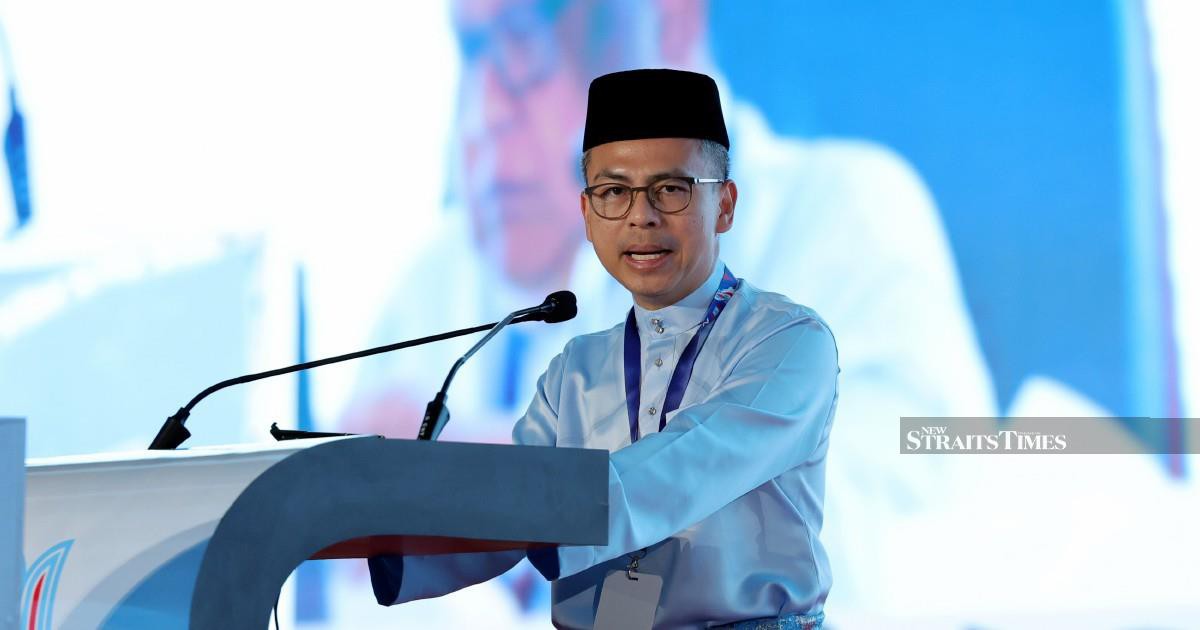
Prime Minister Datuk Seri Anwar Ibrahim appears poised to unveil a series of announcements in the coming days, according to signals from senior party leadership. The indication came from PKR information chief Datuk Seri Fahmi Fadzil during remarks at Ayer Keroh, suggesting the government is preparing policy developments or initiatives that require formal disclosure to the public and parliamentary stakeholders.
The timing of Fahmi's statement carries significance within Malaysia's political cycle, where carefully sequenced announcements typically signal coordinated government action rather than ad-hoc policy shifts. The proximity of these expected disclosures—potentially as soon as the following day—indicates that preparations have advanced sufficiently for imminent public revelation, implying thorough groundwork and inter-ministry alignment beforehand.
While Fahmi refrained from specifying the nature or scope of these anticipated announcements, the plural nature of his remarks suggests multiple policy areas or initiatives rather than a single consolidated statement. This approach aligns with Anwar's recent pattern of addressing various governance priorities spanning economic management, development projects, and administrative reforms.
For Malaysian stakeholders tracking government direction, such signals carry practical importance. Market participants, investors, and civil society organisations often calibrate their own planning around major policy announcements, particularly those emerging from the Prime Minister's office. The advance signalling, even without specific details, allows for preliminary positioning and informed public discourse.
The announcement pipeline also reflects the government's communication strategy under Anwar's leadership, which emphasises transparency and advance notification compared to predecessors' approaches. This measured disclosure pattern builds public confidence while affording time for policy details to circulate through official channels before formal delivery.
Regionally, any significant Malaysian policy announcements carry implications for Southeast Asian trade, investment, and diplomatic relationships. The wider ASEAN community and key trading partners monitor shifts in Malaysia's economic policy, fiscal stance, or international engagement positioning. Anwar's announcements often address infrastructure priorities, regional integration initiatives, or economic restructuring that ripple across the region's supply chains and investment frameworks.
Within parliament, advance notification of forthcoming statements allows opposition and backbench members to prepare substantive responses and scrutiny. Malaysia's parliamentary tradition values formal government disclosures delivered in the chamber rather than through media first, maintaining institutional protocols and permitting structured debate on significant policy shifts.
The PKR information chief's statement also underscores the party's central role in government communications during Anwar's tenure. As coalition information lead, Fahmi functions as key spokesperson for articulating government intentions, party position, and strategic messaging to both media and public audiences. His Ayer Keroh comments reach both immediate attendees and broader national audiences through media distribution.
For citizens and organisations awaiting clarity on specific policy areas—whether economic stimulus measures, social initiatives, infrastructure timelines, or regulatory reforms—such signals prompt heightened attention to official channels and parliamentary proceedings. The Malaysian media landscape typically intensifies coverage around anticipated Prime Minister statements, reflecting public interest in governance developments.
The indication that multiple announcements are imminent rather than scattered across extended periods suggests concentrated effort on rolling out coordinated policy responses to current national challenges. Whether addressing cost-of-living pressures, economic diversification targets, civil service efficiency, or sectoral development, clustering announcements demonstrates governmental coherence around interconnected priority areas.
Looking ahead, observers should monitor parliament's sitting schedule and official Prime Minister announcements for specifics. The implementation of any new policies will require detailed ministry-level coordination, funding allocation through budget mechanisms, and potentially legislative amendments depending on announcement scope. Fahmi's preview essentially signals that the government has completed internal deliberations and is ready for public engagement phase.

