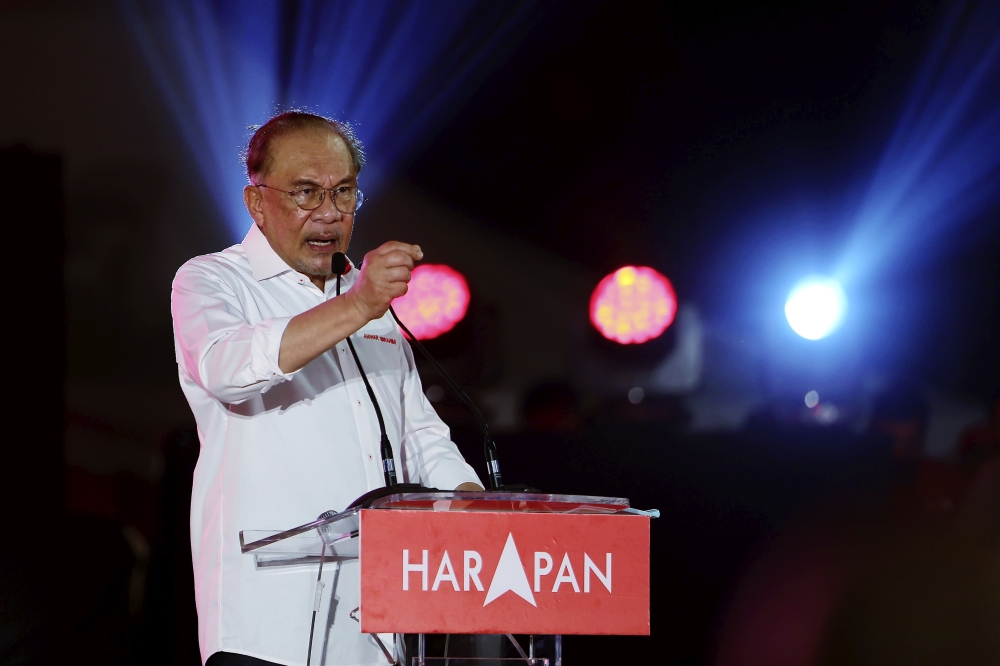
Prime Minister Datuk Seri Anwar Ibrahim is launching an ambitious campaign tour across Negeri Sembilan, beginning with four scheduled events designed to energise the ruling coalition's grassroots machinery and reconnect with voters across the state's key constituencies.
The campaign blitz represents the first significant ground-level mobilisation effort by Anwar in the state since the federal government's consolidation efforts intensified. The timing and scale of the tour underscore the strategic importance Putrajaya places on maintaining political dominance in Negeri Sembilan, a state that has historically served as a bellwether for broader Malaysian electoral trends and holds considerable symbolic value within the United Malays National Organisation's traditional support base.
Negeri Sembilan's political landscape has undergone considerable shifts in recent years, with various constituencies experiencing fluctuating support patterns that have prompted the federal administration to intensify engagement efforts. The state's diverse demographic makeup—spanning industrial zones, agricultural regions, and rapidly urbanising areas—requires carefully calibrated messaging that addresses distinct voter concerns across different districts. The multi-location campaign approach reflects this recognition of localised political dynamics that demand direct prime ministerial attention.
Anwar's personal involvement in the campaign underscores the administration's recognition that maintaining coalition cohesion requires consistent engagement from the highest levels of government. A prime ministerial campaign tour carries substantial symbolic weight, signalling to coalition partners and supporters that the state remains a priority despite competing demands on the federal leadership's time. This direct engagement strategy has become increasingly important for nurturing intra-coalition relationships that have occasionally shown signs of strain across various forums and party structures.
The four events scheduled across different locations within Negeri Sembilan suggest a deliberate geographic strategy aimed at ensuring representation across urban, semi-urban, and rural constituencies. Each location likely holds particular significance for the ruling coalition, whether as traditional strongholds requiring reinforcement or as competitive areas where the government seeks to recover ground against opposition movements. The specific venue selections would have been determined through careful analysis of electoral performance patterns and demographic considerations.
For Malaysian observers, this campaign initiative raises broader questions about the political trajectory of the federal administration and its capacity to maintain support in state-level contests. Campaign tours by sitting prime ministers typically precede major electoral contests or represent efforts to address declining support indicators identified through internal party polling. The scale of this Negeri Sembilan effort may thus signal either confidence in the coalition's position or a deliberate effort to shore up vulnerabilities before they become more pronounced at the ballot box.
The campaign also occurs within a context of Malaysian political complexity, where federal-level stability often depends on carefully maintained relationships with various state administrations and their constituent parties. Negeri Sembilan's governance arrangements and internal coalition dynamics carry implications that extend beyond the state's borders, potentially influencing broader calculations at the federal level. Anwar's investment of time and political capital in this tour reflects an understanding that state-level political health remains integral to federal stability.
For Southeast Asian observers monitoring Malaysian political developments, this campaign initiative demonstrates how even governments enjoying parliamentary majorities must continuously engage in grassroots mobilisation and relationship management. The region's democratic systems frequently require leaders to move beyond institutional frameworks and directly interact with voters and party members. This necessity reflects the residual importance of traditional politics and personal connections in electoral systems across the region, despite modernising institutional structures.
The events scheduled for today will likely feature messaging centred on the federal government's economic agenda, development projects benefiting Negeri Sembilan communities, and coalition unity themes. Anwar's personal appeal—particularly his capacity to articulate visions of inclusive governance and economic transformation—represents significant political capital that the administration deploys strategically during campaign periods. The prime minister's communication style has proven effective in certain constituencies whilst requiring careful calibration in others where traditional messaging resonates more powerfully.
Observers should monitor attendance figures and voter response patterns from today's events, as these metrics frequently indicate underlying sentiment trends that formal polling may not immediately capture. The energy level and enthusiasm demonstrated at each location will provide insights into coalition mobilisation capacity and volunteer engagement levels across different districts. Such grassroots indicators often prove more revealing than isolated polling data when assessing genuine political momentum and support consolidation efforts.
The broader campaign strategy of which today's events form the opening segment will likely continue across subsequent weeks, with visits to additional constituencies and intensified messaging through various media channels. The rollout pattern and frequency of prime ministerial appearances will reveal the administration's assessment of vulnerability levels across different areas and its confidence in particular constituencies. This information proves valuable for understanding internal coalition calculations about which areas require maximum attention and resources allocation.

